


Compliance reform rarely makes headlines, yet Korea’s latest policy shift may redefine how innovation is financed. Today, the Ministry of SMEs and Startups (MSS) is not just chasing illegal brokers but also rebuilding the foundation of startup capital access through AI automation, digital transparency, and new consulting standards. And what emerges is more than a crackdown but the quiet construction of a new financial architecture for innovation.
Korea’s Next Governance Shift: When Compliance Becomes Capital Infrastructure
South Korea’s Ministry of SMEs and Startups (MSS) is taking its crackdown on illegal policy fund brokers to a new level—turning compliance itself into a form of national infrastructure.
The initiative now merges regulatory enforcement with AI-led digitalization and private-sector collaboration, signaling that Korea’s startup finance system is entering a transparency-driven era.
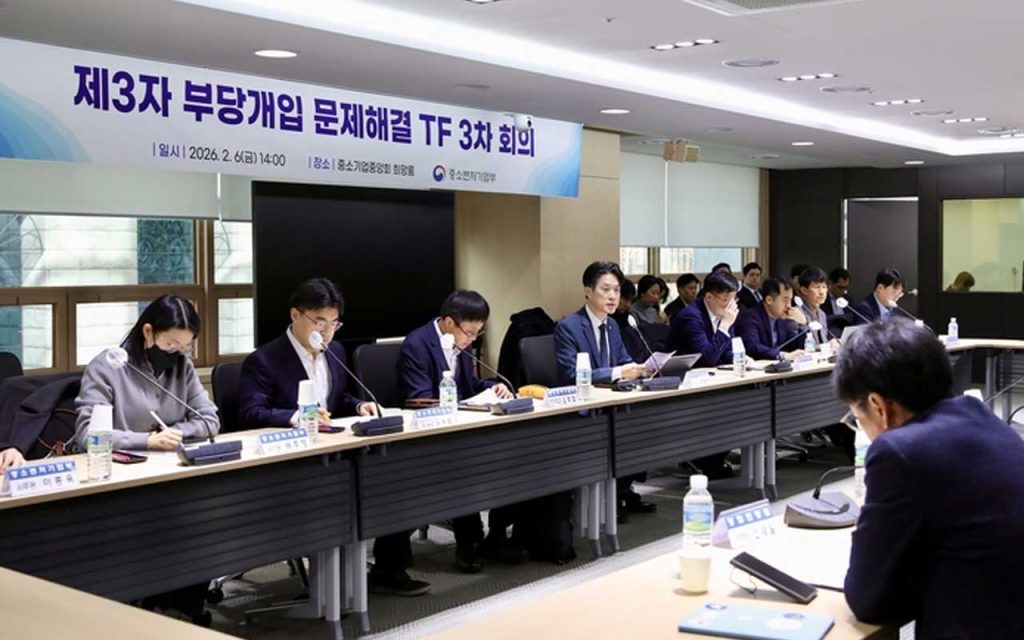
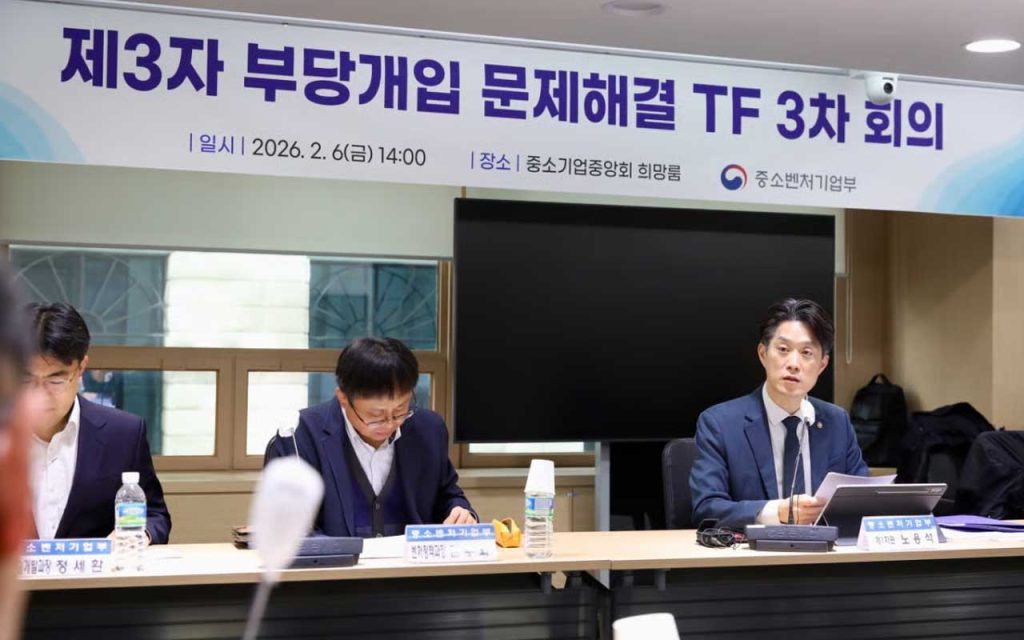
At its third Task Force on Third-Party Intervention Issues meeting on February 6 in Seoul, MSS announced sweeping actions to overhaul how founders, small enterprises, and venture-backed startups access state-linked financing and R&D programs.
The reforms aim to cut bureaucratic friction, curb exploitation, and restore fairness to one of Asia’s largest public capital networks.
MSS Launches Structural Overhaul to Eradicate Policy Fund Brokers
The MSS’s latest measures expand its earlier “Three-Part Package” reform into a full structural upgrade.
The government will now:
- Halve the volume of documents required in startup support and policy fund applications, from an average of nine to 4.4;
- Automate administrative data submissions across ministries;
- Introduce AI-based assistance in business plan writing to reduce dependence on third-party brokers;
- Establish direct cooperation with private professional platforms Soomgo and Kmong to monitor and block illicit brokerage activities.
These steps target illegal intermediaries who, for years, have forged documents, charged exploitative fees, or impersonated government officials to “guarantee” access to policy loans and R&D grants.
Vice Minister Noh Yong-seok, who chairs the interagency task force, stated during the meeting,
“Now that the foundation of our response system is set, we must move quickly so that SMEs and startups can feel the impact in real terms. We will build an environment where honest founders can access support without fear of being exploited.”
The Consulting Registration System: Redefining Who Advises Founders
At the core of the reform is a legal and institutional boundary-setting effort—differentiating legitimate consulting from illegal brokerage.
The MSS is drafting new legislation to define the scope of lawful advisory work through a Policy Fund Consulting Registration System. This will require consultants to hold certified qualifications, similar to management or technology advisors, and submit to official supervision.
Director Park Yong-soon of the SME Policy Office explained,
“Some entrepreneurs legitimately seek paid consulting for support programs. The registration system is not about legalizing brokers—it’s about creating identifiable standards and accountability within the system.”
This legal distinction follows years of blurred practice in Korea’s startup ecosystem, where complex application procedures and limited guidance made founders vulnerable to unregulated intermediaries. Once implemented, registered consultants will operate under disclosure requirements, with sanctions or deregistration for misconduct.
AI and Data Integration: How Korea is Digitizing Policy Finance
In parallel, the MSS is turning administrative digitalization into a compliance safeguard. Through data-sharing agreements with financial and government agencies, the ministry is enabling automatic document submission, electronic signatures, and online consent systems, projected to eliminate over 5.2 million paper filings annually.
An AI-powered assistant will soon help founders draft business plan templates—one of the most common pain points exploited by brokers. The tool will generate tailored first drafts based on project keywords and firm data, lowering barriers for first-time applicants and leveling access between resource-rich and resource-poor founders.
The government estimates that the reforms will save over 430,000 hours per year for approximately 1.14 million applying companies.
Why This Matters for Korea’s Startup Capital Ecosystem
Korea’s crackdown represents more than regulatory clean-up. It marks a strategic modernization of public venture capital access.
Policy finance has long served as the foundational liquidity for early-stage startups in Korea—bridging private investment gaps and cushioning economic shocks. Yet as the ecosystem matured, opaque intermediaries began distorting access, undermining investor trust and policy credibility.
By digitizing administrative procedures, institutionalizing consulting, and tying AI into public capital allocation, the MSS is effectively transforming trust into an operational layer of Korea’s innovation economy.
For global investors, this evolution aligns public funds with private governance standards. Transparent verification systems and regulated intermediaries reduce due diligence friction for cross-border co-financing. It also makes Korea’s state-linked capital ecosystem more predictable—an important signal for institutional venture funds assessing sovereign risk.
A Model for Emerging Innovation Economies
The implications extend beyond domestic governance. Korea’s hybrid model—combining compliance, AI, and private-sector partnerships—could serve as a blueprint for other innovation economies where public finance plays a major startup role but remains mired in opacity.
Its integration of civil-sector platforms such as Soomgo and Kmong also reflects a recognition that modern regulation works best when embedded in ecosystems, not isolated within ministries. If successful, Korea could prove that digital infrastructure and regulatory clarity are as vital to innovation as capital itself.
The Path Forward
The MSS plans to complete the legislative framework for illegal intervention sanctions and consulting registration by mid-2026. Meanwhile, its AI integration and document automation systems will go live across 125 programs under seven affiliated agencies.
In the long term, Korea’s startup financing system is being rebuilt not only for efficiency but for trust as architecture—where compliance serves as infrastructure, and governance itself becomes an enabler of innovation.
Key Takeaways on Korea’s Policy Fund Reform
- The Ministry of SMEs and Startups (MSS) has expanded its anti-broker initiative into a full system overhaul combining AI, automation, and legal reform.
- A new Consulting Registration System will formally distinguish legitimate consultants from illegal intermediaries.
- Required application documents will be reduced by over 50%, cutting 5.2 million filings annually.
- AI will assist SMEs in drafting business plans, reducing dependency on external brokers.
- Partnerships with private expert platforms Soomgo and Kmong aim to monitor and block illegal activity.
- The reform establishes compliance as a structural foundation for Korea’s policy finance ecosystem—boosting transparency, investor confidence, and accessibility for startups.
🤝 Looking to connect with verified Korean companies building globally?
Explore curated company profiles and request direct introductions through beSUCCESS Connect.
– Stay Ahead in Korea’s Startup Scene –
Get real-time insights, funding updates, and policy shifts shaping Korea’s innovation ecosystem.
➡️ Follow KoreaTechDesk on LinkedIn, X (Twitter), Threads, Bluesky, Telegram, Facebook, and WhatsApp Channel.


