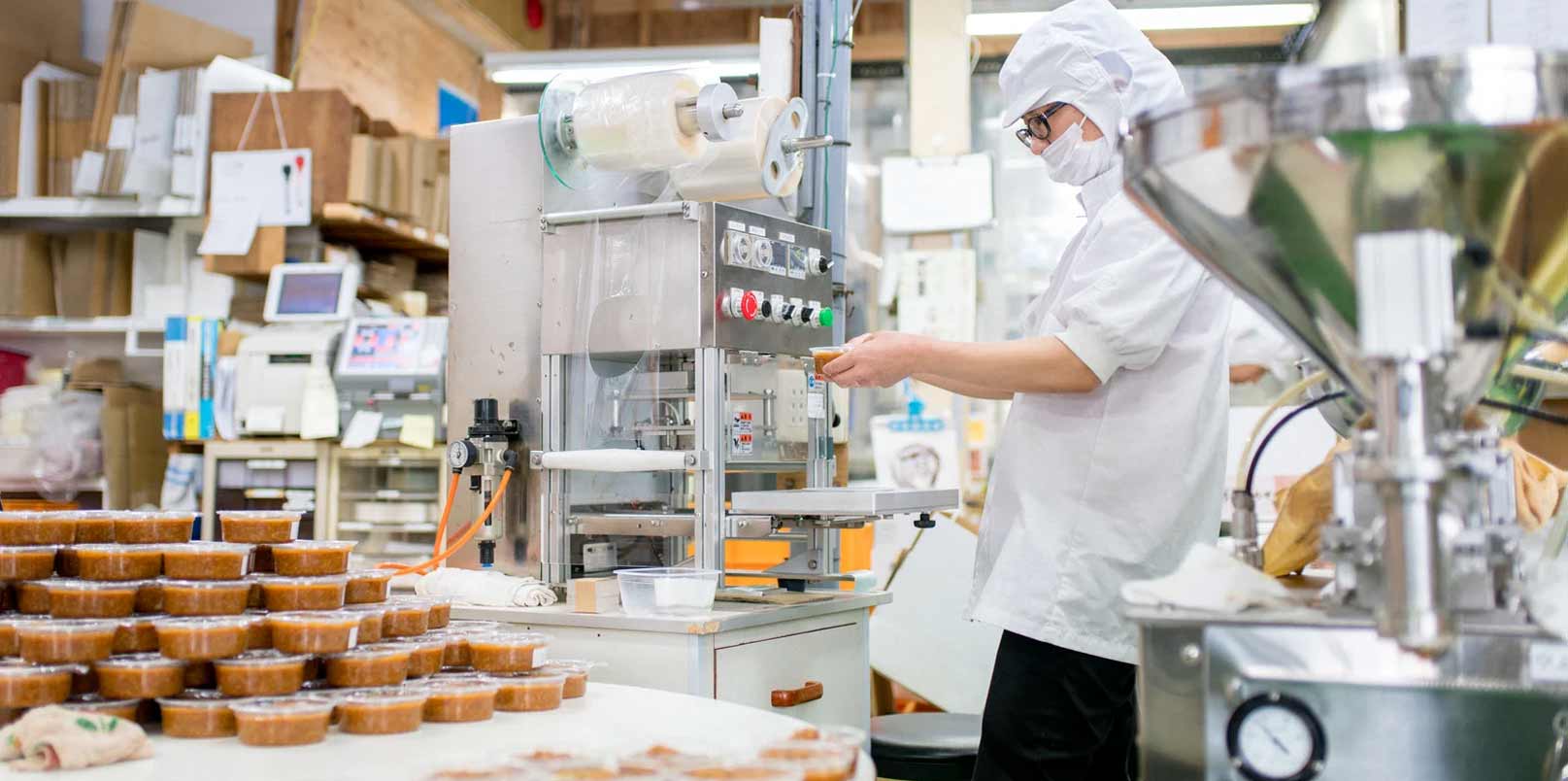
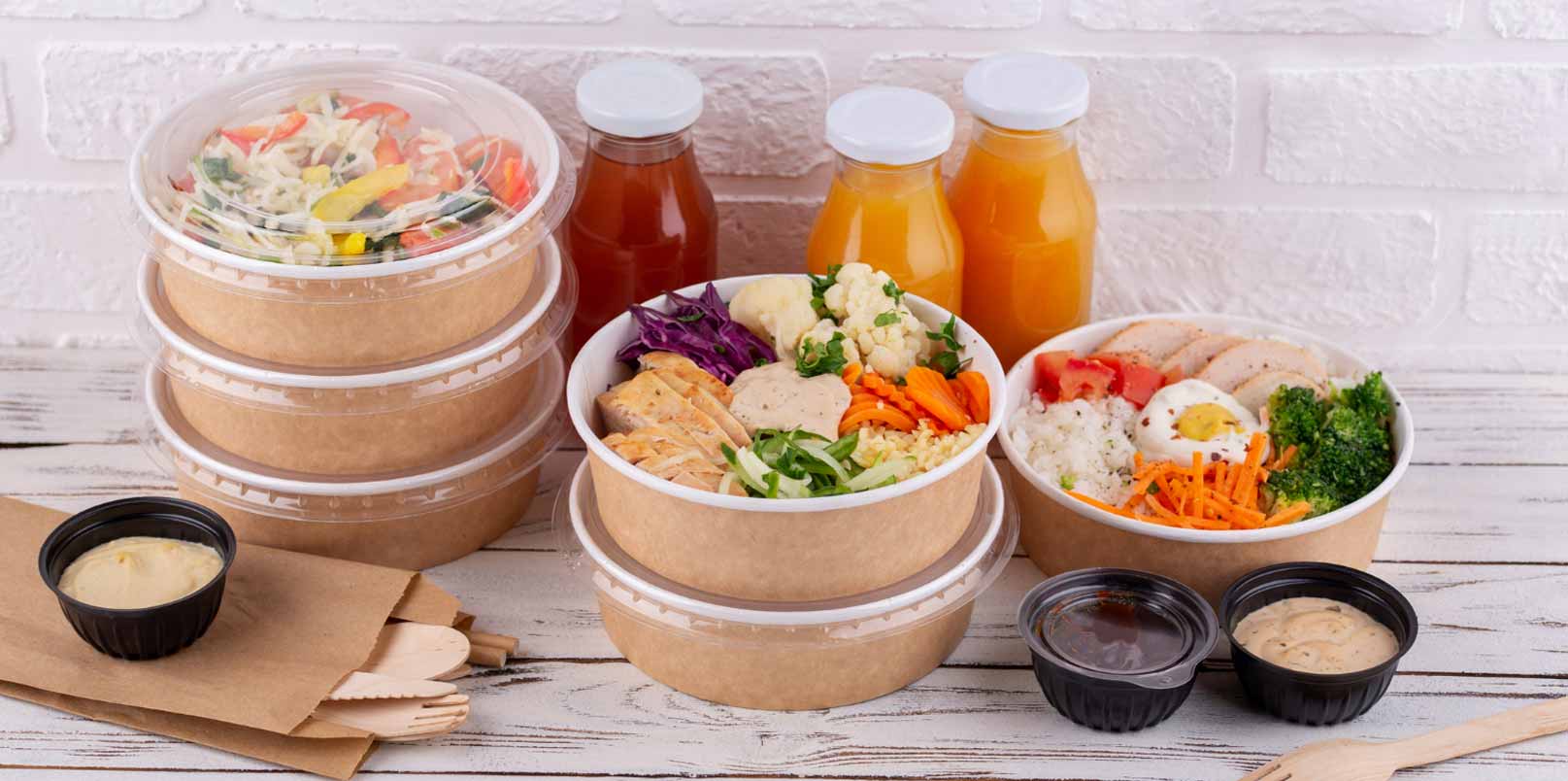
A packed restaurant and a successful retail product are often treated as natural extensions of each other. In Korea’s rapidly growing Restaurant Meal Replacement (RMR) market, that assumption has fueled hundreds of product launches. Yet many restaurant brands discover that consumer excitement does not automatically translate into repeat purchases. The challenge is no longer bringing restaurant food into homes. The challenge is preserving enough of the original experience to make consumers return.
The Rapid Growth of RMR Market in South Korea
Korea’s RMR market has evolved far beyond its pandemic-era origins. What began as a convenient substitute for dining out has become a permanent segment of the country’s broader convenience food industry.
Retailers continue expanding their RMR offerings as consumers seek restaurant-quality meals at lower cost and with greater convenience. According to industry figures reported by Pulse, major Korean retailers recorded continued growth in RMR sales during 2024, with several chains significantly increasing the number of restaurant-branded products available to consumers.
At the same time, the broader meal-kit category is entering a more mature phase. Industry data reported by Asia Business Daily suggests that while Korea’s meal-kit market expanded rapidly during the pandemic years, growth has slowed as consumers increasingly favor ready-to-heat products that require less preparation.
That shift is then changing the rules of competition.
Success is no longer determined simply by securing a famous restaurant partnership. Products must now compete directly against frozen meals, convenience foods, and other ready-to-eat alternatives that often offer similar convenience at lower effort.
Why Restaurant Popularity Does Not Guarantee Retail Success
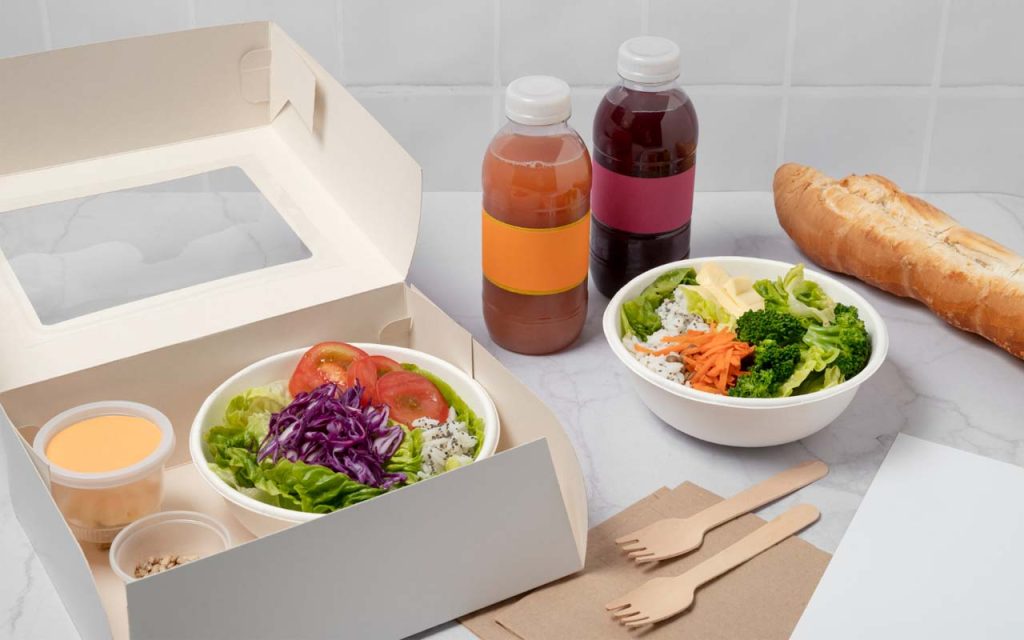
One of the biggest misconceptions surrounding RMR products is the belief that a famous restaurant name automatically creates a successful packaged food business.
As discussion on HMR and RMR commercialization continues, Sungeun Bae, CEO of Bab On Lab, and a food commercialization specialist whose experience includes CJ CheilJedang, Next Kitchen, and Medisola, told KoreaTechDesk that sustainable products must deliver on consumer expectations immediately.
“In the food industry, you shouldn’t be too far ahead of the trend. You should stay exactly half a step ahead.”
Products that require consumers to learn unfamiliar concepts often face a difficult path. More importantly, the experience promised on the package must match what consumers taste during the first bite.
“The flavor promised by the product name must be perceived in the very first bite, and that experience must match the price.”
She pointed to the difference between products that merely reference premium ingredients and products that visibly deliver them.
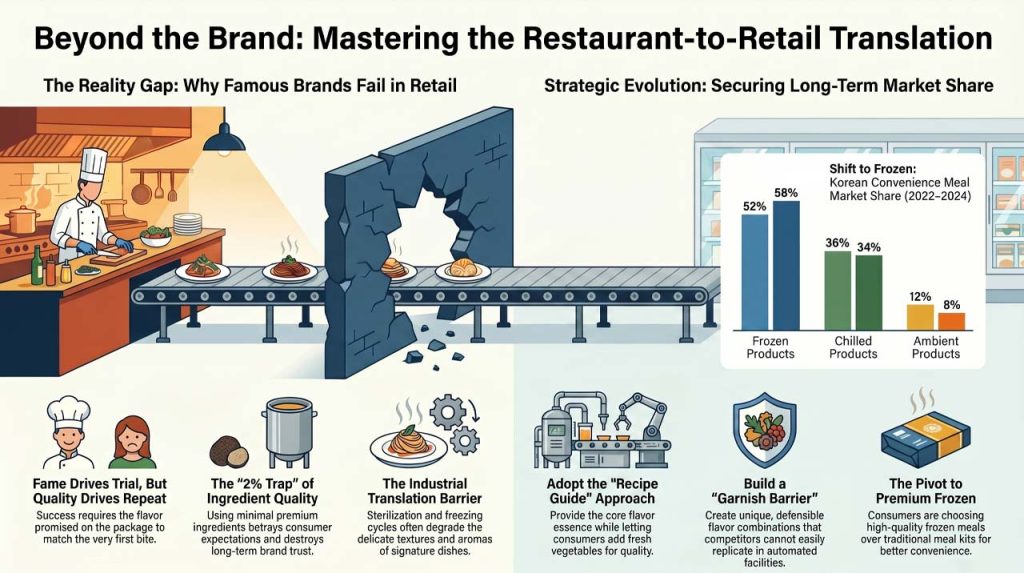
“A product with only 2% bacon will fail because it betrays the consumer’s expectations.”
This lesson now extends beyond ingredient percentages. Restaurant reputation may drive initial curiosity, but repeat purchases depend on trust, satisfaction, and perceived value.
The Hidden Difficulty of Translating Restaurant Experiences
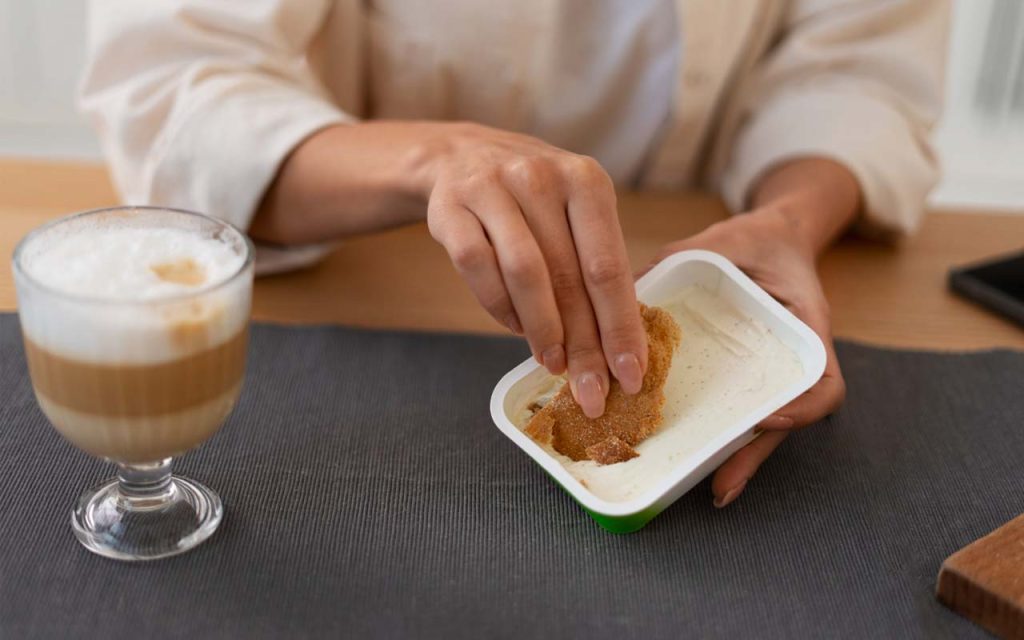
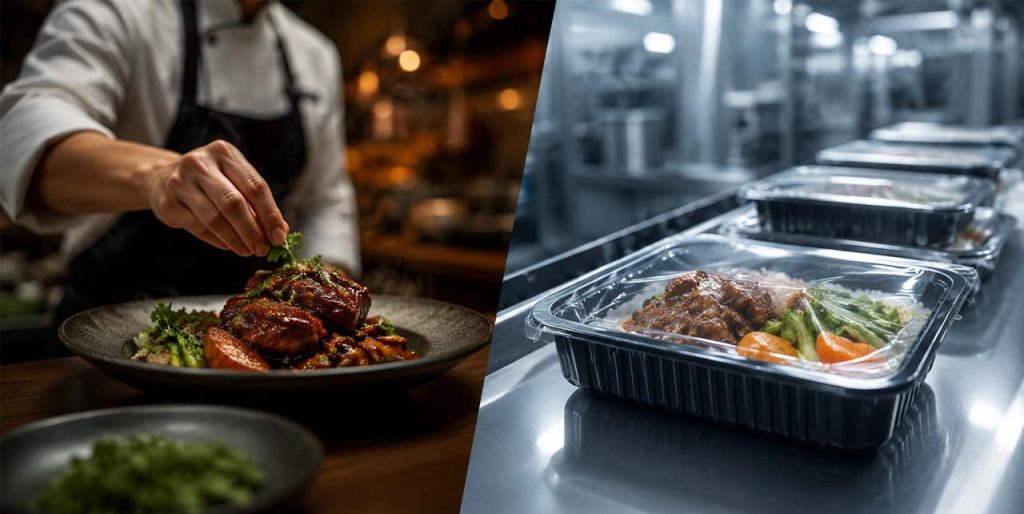
Even when consumer demand exists, preserving a restaurant experience inside a packaged product remains technically challenging.
Many signature dishes depend on freshness, texture, aroma, and preparation methods that do not easily survive industrial distribution systems.
“The change in texture is depending on the distribution temperature,”
Bae said.
Ambient products typically undergo sterilization processes, while frozen products face freezing and thawing cycles that alter food structure. Delicate ingredients such as vegetables are particularly difficult to preserve.
As a result, some operators are rethinking how restaurant experiences should be commercialized.
Bae described a strategy she calls a “Recipe Guide” approach.
Rather than attempting to replicate every element inside the package, the product focuses on delivering the core flavor while leaving room for consumers to add fresh ingredients themselves.
“The product itself focuses on the core essence, but we provide a blank space for the customer to add fresh vegetables themselves, ensuring the final quality remains high.”
The approach reflects a broader realization across the industry. After all, it is often impossible indeed to create the perfect replication. That is why successful products instead identify which elements must be preserved and which can be delegated to consumers.
What Separates Durable RMR Products from Short-Term Trends
As the market becomes more crowded, sustainability increasingly depends on differentiation.
Bae pointed to one heritage restaurant meal-kit case that achieved long-term success through a combination of timing, positioning, and product identity.
According to Bae, the product benefited from strong consumer nostalgia during the pandemic, clear premium positioning, and a distinctive garnish combination that competitors struggled to replicate.
“Their specific combination of perilla seeds, seaweed, and chili powder garnish created a garnish barrier.”
And this concept highlights an important shift in the RMR market.
Restaurant brands cannot rely solely on their offline reputation. They must create packaged products with their own defensible characteristics that survive retail competition.
But at the same time, operational consistency remains essential. Bae noted that one of the most critical requirements for sustainable scaling is creating consistent taste that is almost the same as the original.
“Recipe standardization that achieves 90% or more of the original handmade taste in an automated facility.”
Without that consistency, even popular products often struggle to maintain momentum after their initial launch period.
Frozen Premium Meals Are Becoming a More Important Battleground
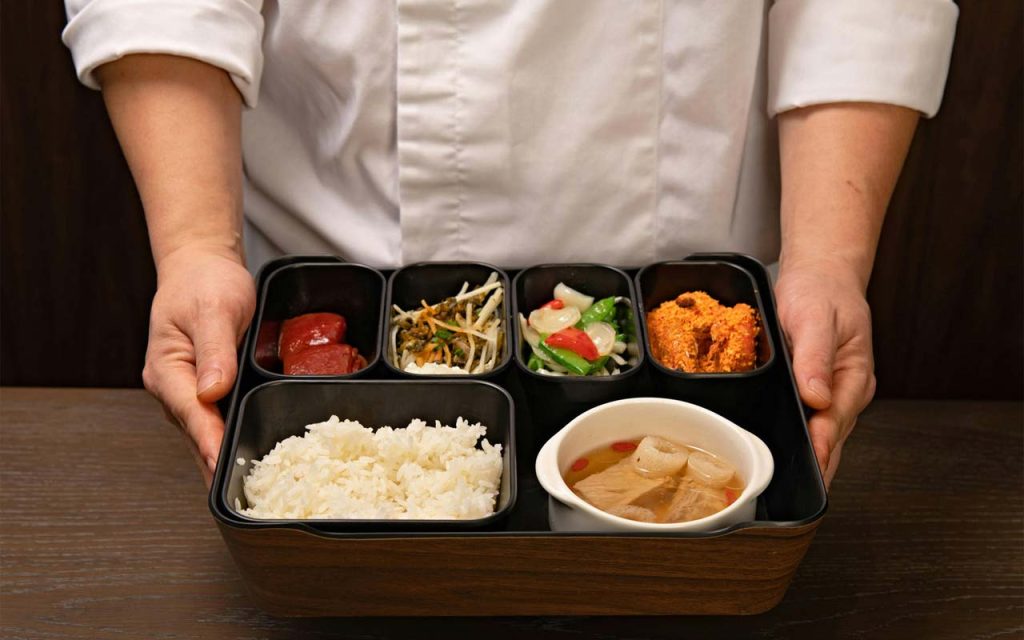
Recent market trends suggest that the next phase of RMR growth may increasingly center on premium frozen products than traditional meal kits.
According to industry data cited by FoodToday, frozen products accounted for 58% of newly launched convenience meal products in 2024, up from 52% in 2022. During the same period, chilled products declined from 36% to 34%, while ambient products fell from 12% to 8%.
The shift reflects changing consumer priorities. While meal kits helped fuel Korea’s RMR boom during the pandemic, consumers are increasingly looking for restaurant-quality meals that require little preparation.
Asia Business Daily reported that Korea’s meal-kit market expanded rapidly during COVID-19 but has largely remained in the KRW 300 billion range in recent years as dining-out activity recovered. The same report, citing Mintel research, found that 57% of consumers purchased frozen ready meals at least weekly or several times per month, compared with 43% for chilled meal kits.
The broader convenience food market continues to grow as well. Data cited by FoodToday shows Korea’s convenience food production value increased from KRW 3.35 trillion in 2020 to KRW 5.89 trillion in 2024, while domestic sales expanded from KRW 3.65 trillion to KRW 6.34 trillion during the same period.
For restaurant brands, these numbers highlight both a growing opportunity and a growing challenge.
Consumers still want access to restaurant experiences at home, but they increasingly expect those experiences to arrive in formats that are convenient, reliable, and easy to prepare. And that dynamic favors products that are capable of balancing restaurant credibility with industrial scalability.
So, the challenge is no longer simply bringing restaurant food into retail channels, but in determining which elements of the restaurant experience consumers value most and preserving those elements through freezing, distribution, storage, and reheating without losing the product’s identity.
The Future of RMR May Depend on Defensible Experiences
Finally, Korea’s RMR market was built on the promise of bringing restaurant experiences into consumers’ homes. Yet as the category matures, restaurant fame alone is becoming a weaker competitive advantage.
Consumers can now choose among hundreds of restaurant-branded products across retailers, marketplaces, and convenience stores. In that environment, long-term winners are more likely to be products that create distinctive experiences rather than products that merely borrow a restaurant’s name.
The future of the category may depend less on recognition and more on translation. The brands that succeed will be the ones that understand how to transform a restaurant’s identity into a product that consumers still continue purchasing long after the novelty disappears.
Key Takeaway
- Korea’s RMR market continues to expand, but growth increasingly depends on repeat purchases rather than restaurant brand recognition alone.
- Sungeun Bae, CEO of Bab On Lab, argues that successful RMR products stay close to consumer expectations while delivering immediate value and satisfaction.
- Restaurant-to-retail commercialization often struggles with texture, freshness, and preparation differences, making product translation a major challenge.
- The “Recipe Guide” approach reflects a growing industry strategy that focuses on preserving core flavors while allowing consumers to add freshness themselves.
- Differentiation matters more as the market matures, with durable products developing unique characteristics that competitors cannot easily replicate.
- Premium frozen meals are becoming increasingly important within Korea’s convenience food ecosystem, as consumers seek both quality and convenience.
- The long-term winners in Korea’s RMR market are likely to be brands that successfully translate restaurant identity into scalable retail experiences.
– Stay Ahead in Korea’s Startup Scene –
Get real-time insights, funding updates, and policy shifts shaping Korea’s innovation ecosystem.
➡️ Follow KoreaTechDesk on LinkedIn, X (Twitter), Threads, Bluesky, Telegram, Facebook, and WhatsApp Channel.
🤝 Looking to connect with verified Korean companies building globally?
Explore curated company profiles and request direct introductions through beSUCCESS Connect.