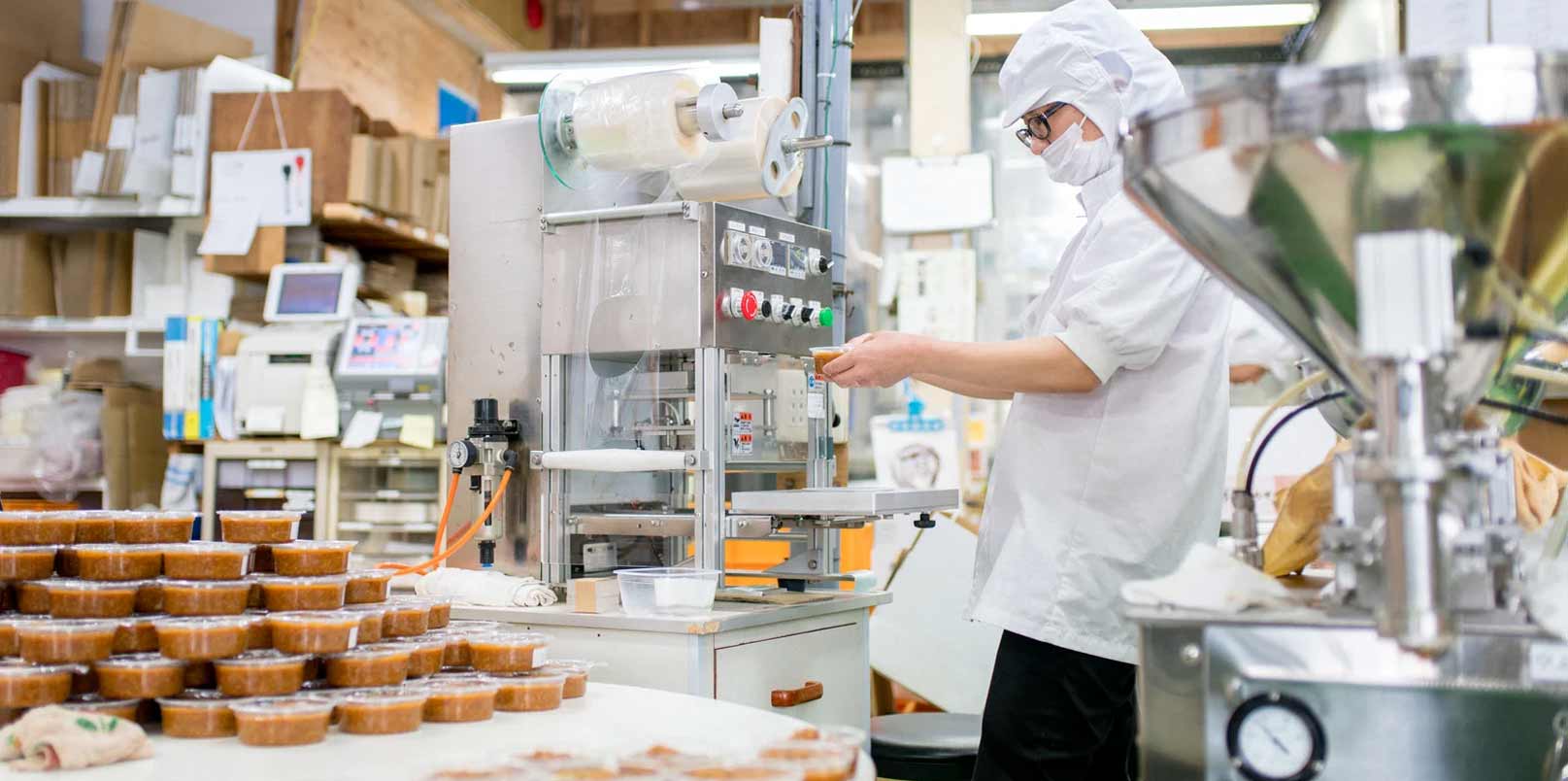
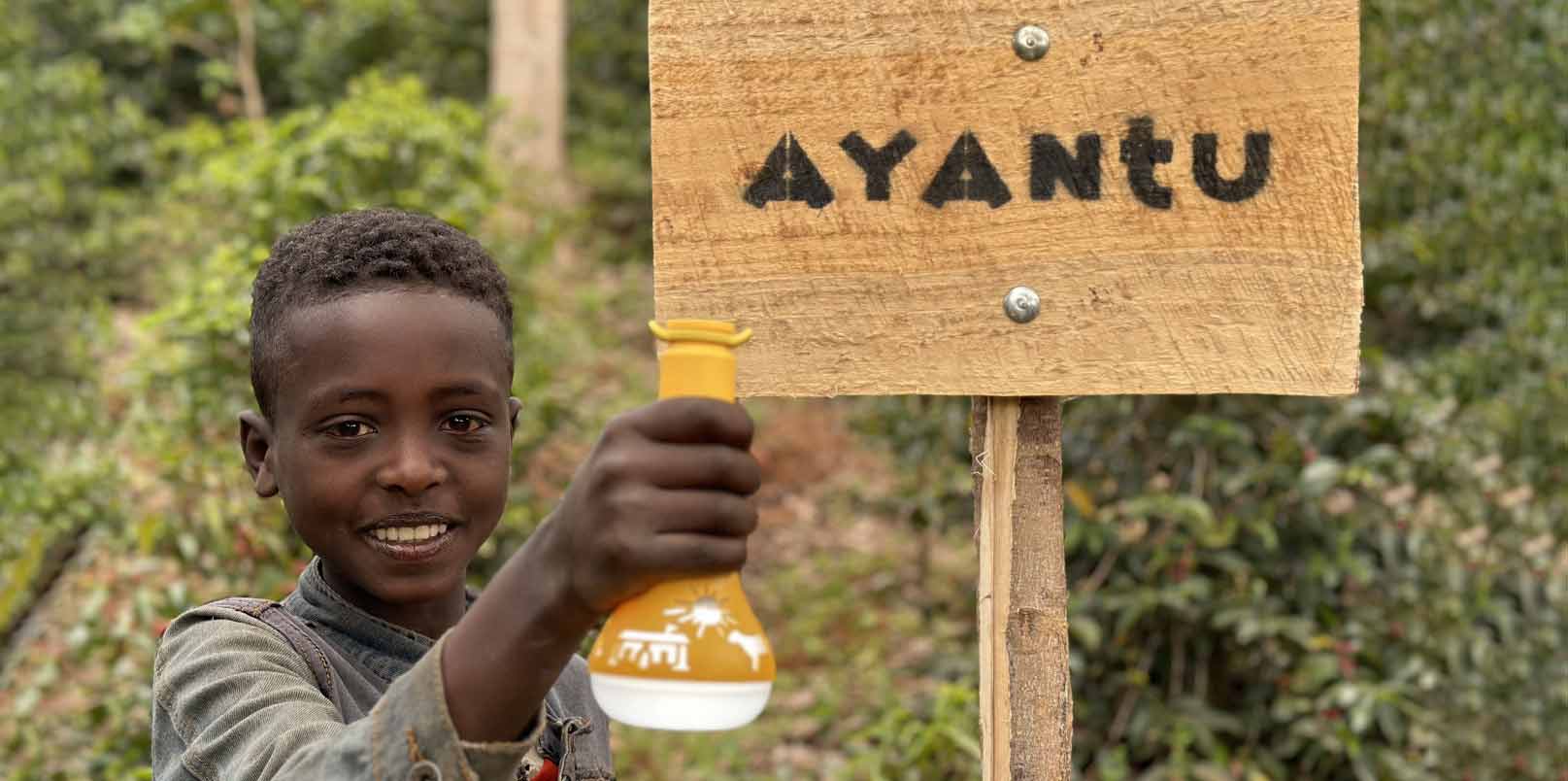
Electricity access can be engineered. Sustaining it requires a different system entirely. And for Korea-based startup YOLK, Solar Cow has already proved that energy access could be linked to school attendance in off-grid communities. Now, the next challenge emerged after that proof: how to continue operating and expanding a system that depends on ongoing installation, maintenance, and local engagement.
This is where YOLK introduces Ayantu, shifting how they approach that question. Ayantu’s entrance reflects the company’s attempt to move beyond project-based deployment into a model where impact is supported by recurring commercial activity.
Solar Cow by YOLK: Recognition Validated the Model, Not the Economics
Solar Cow has received global recognition, including selection in TIME’s Best Inventions and multiple global design awards. Its deployment model, which connects daily school attendance with household energy access, has been tested across Tanzania, Kenya, and the Democratic Republic of Congo.
Earlier project documentation shows that Solar Cow’s initial expansion relied in part on public participation. Through a Kickstarter campaign, YOLK invited investors to purchase Solar Milk batteries starting at USD 28, linking each unit to individual student attendance data as a form of transparency and engagement.
The campaign then exceeded its initial USD 30,000 funding target within 24 hours, demonstrating early interest and support.
However, this form of funding carries inherent limits. Campaign-based support can validate interest and provide initial capital, but it does not create a stable operational base for long-term deployment.
As Solar Cow moved beyond early-stage implementation, the gap between recognition and sustainability became more visible.
From Deployment to Continuity: The Need for a Stable Funding Model
Solar Cow operates as a physical system embedded within schools and communities. Installation, maintenance, and iteration require ongoing resources that extend beyond one-time funding.
As KoreaTechDesk continued the Solar Cow deployment strategy discussion, YOLK founder Sena (Sung-Un) Chang described the turning point:
“We realized that Solar Cow needed stable funding to sustain our operations and deployments. We didn’t want to keep relying on external funding from third parties to deploy a project.”
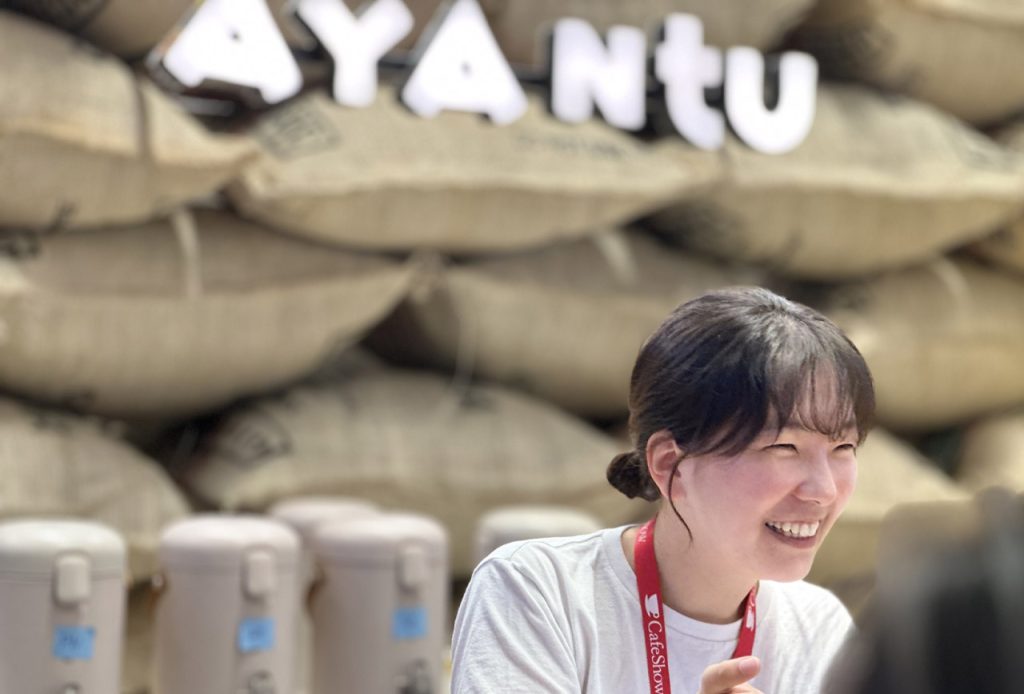
This shift reflects a broader pattern observed in the off-grid energy sector. According to the International Energy Agency, achieving universal electricity access in Africa requires financing on a scale far beyond current commitments, with investment needs estimated in the tens of billions of dollars annually.
In this context, the challenge is not limited to building effective technology. It extends to creating a financial structure that can support long-term operation in environments where users may not be able to pay directly for infrastructure.
Ayantu Introduces a Consumption-Based Funding Layer
Ayantu represents YOLK’s response to this structural constraint.
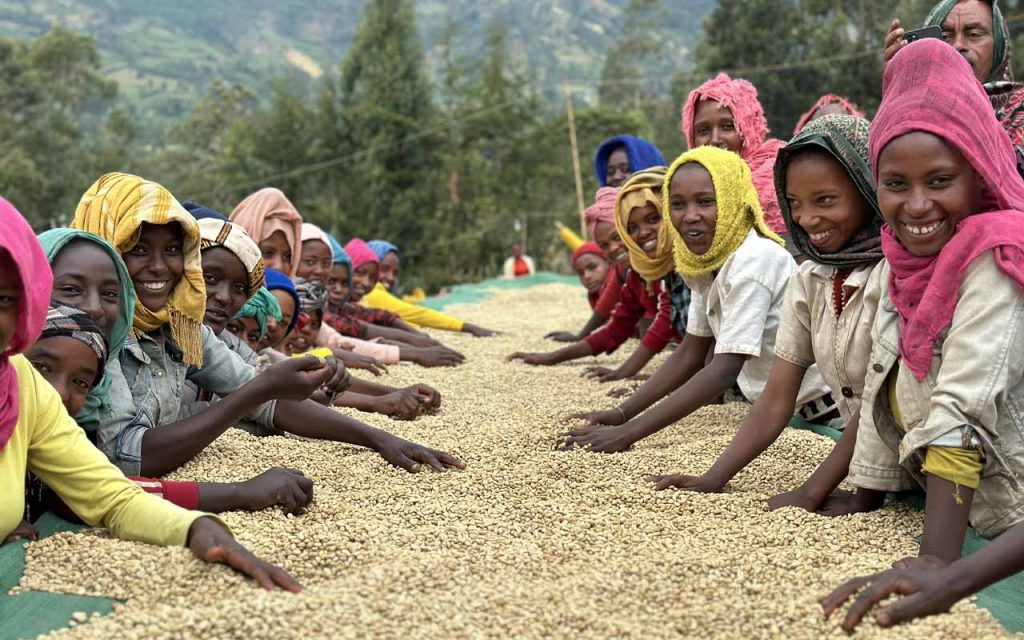
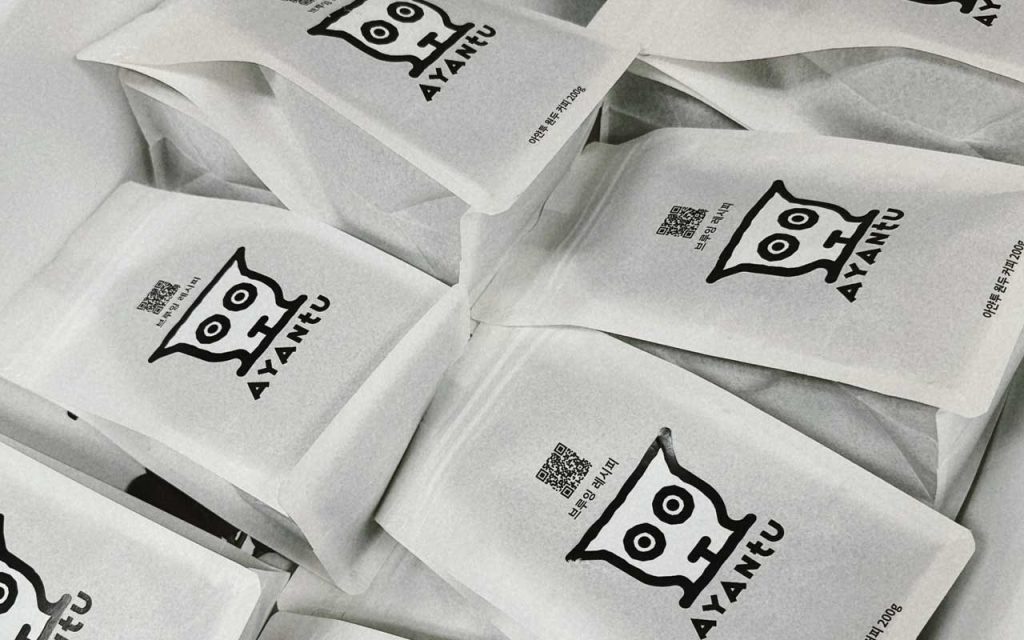
Rather than positioning Solar Cow as a standalone project dependent on grants or campaigns, YOLK introduced a specialty coffee brand linked to Ethiopian coffee production.
A portion of Ayantu’s revenue is then reinvested into Solar Cow deployment and operations, creating a connection between consumer activity and field implementation.
Chang described the broader intention behind this approach:
“We aim to grow Ayantu into a brand with intrinsic value, one that people can take pride in consuming.”
This model attempts to convert routine consumption into a funding mechanism. In practical terms, it reframes a daily purchase such as coffee as a contribution to ongoing infrastructure deployment.
This approach aligns with a wider trend in impact-driven ventures, where companies integrate social outcomes into existing consumer markets rather than relying solely on philanthropic channels.
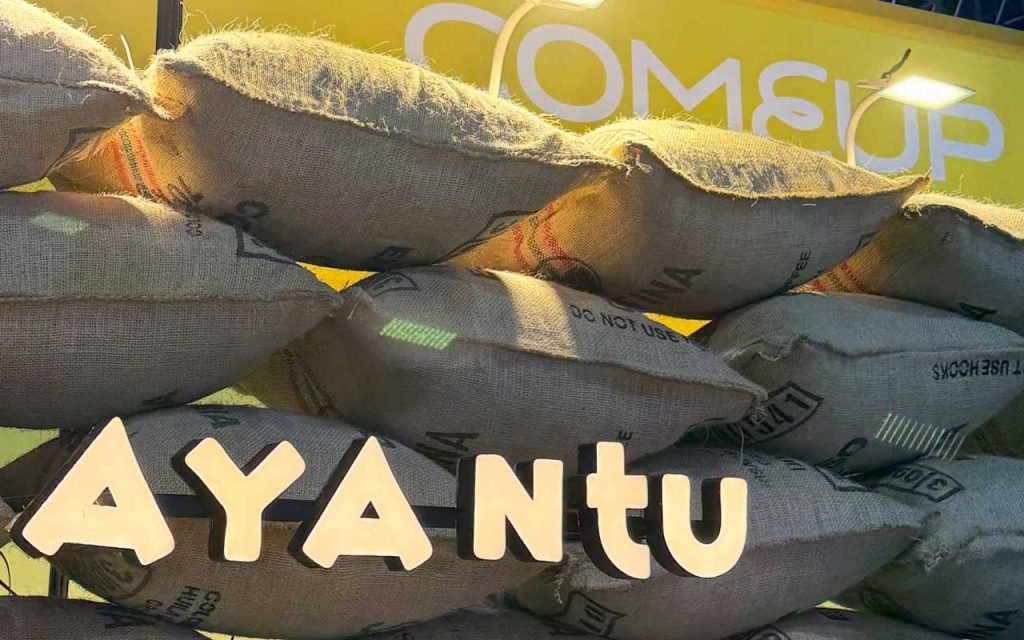
Scaling Ayantu Requires Operating as a Real Business
The effectiveness of this model depends on whether Ayantu can scale as a commercial product, not only as an impact narrative.
YOLK’s own assessment reflects this reality. The company acknowledged that its current revenue base remains smaller than the scale of the problem it is addressing. The ambition is to expand significantly, including a target of reaching 100,000 subscribers for its roasted coffee program while also pursuing partnerships with larger corporate buyers.
This introduces a new layer of complexity.
The global coffee market offers both opportunity and competition. Ethiopia, where Ayantu sources its beans, remains one of the world’s leading coffee producers. Data from the United States Department of Agriculture projects Ethiopian coffee exports to reach approximately 7.8 million 60-kilogram bags in the 2025/26 cycle, reflecting continued growth in global demand.
At the same time, coffee operates within a competitive and price-sensitive environment. Success depends on product quality, brand positioning, distribution, and consistency, not only on the underlying mission.
This means Ayantu must establish itself as a viable specialty coffee brand while carrying an additional responsibility: generating surplus value that can support Solar Cow deployment.
The Funding Gap Remains a Structural Constraint
Even as Ayantu develops, the scale of the underlying challenge remains significant.
The 2024 Off-Grid Solar Market Trends Report by World Bank and its partners estimates that closing the global off-grid solar affordability gap requires around USD 3.6 billion annually, while total investment needs for universal access reach approximately USD 21 billion.
Despite steady growth in off-grid adoption, affordability remains a central barrier for low-income households, limiting how quickly solutions can scale beyond early deployments.
Solar Cow operates within this landscape. It offers a system that can influence behavior and improve access, but it still depends on a funding structure capable of supporting expansion across multiple communities.
Ayantu represents one approach to addressing this challenge. It introduces a recurring revenue stream linked to everyday consumption, supporting the continuity of Solar Cow’s operations.
At the same time, broader capital requirements associated with infrastructure deployment remain an important consideration as the model continues to evolve.
Expanding Ayantu’s Model Beyond Coffee
YOLK’s recent moves suggest that the company is not treating Ayantu as a single-product solution.
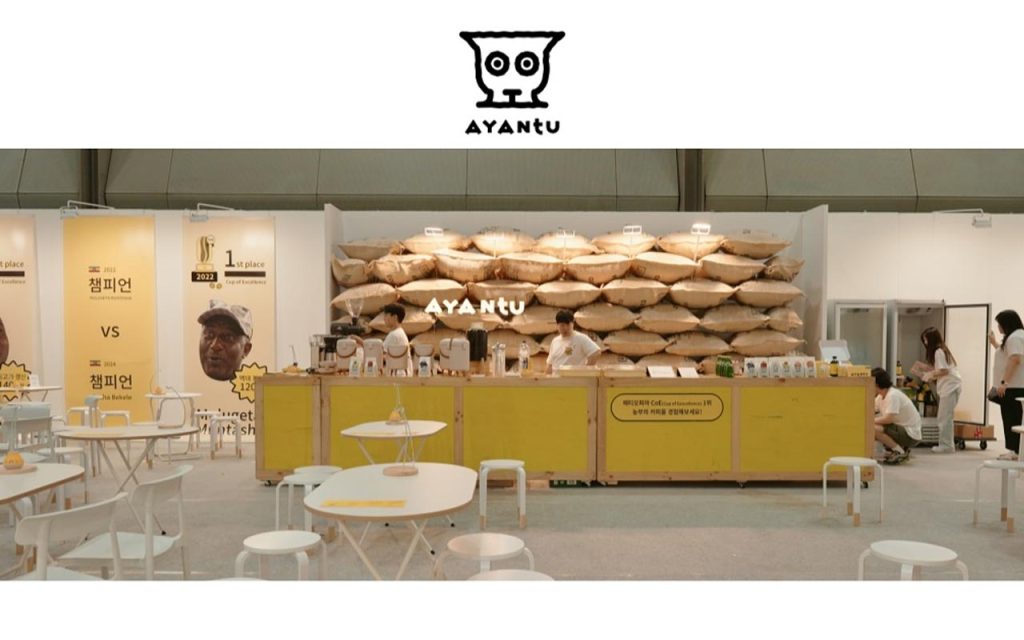
In addition to packaged coffee, the company has introduced Ayantu Table, a catering service built around its coffee brand and food offerings. This expansion reflects an effort to diversify revenue sources and reduce dependence on a single product category.
The direction points toward a broader objective: building a business ecosystem where multiple revenue streams contribute to sustaining social impact initiatives.
This approach aligns with how some impact-driven companies evolve over time. Initial projects establish proof of concept, while later stages focus on creating durable economic structures that can support continued operation.
What Solar Cow and Ayantu Reveal About Korean Social Ventures
Solar Cow’s evolution highlights a transition within parts of Korea’s startup ecosystem.
The country has long been associated with product-driven innovation and manufacturing strength indeed. In emerging markets, however, product performance alone is often not enough. Systems must operate within economic constraints, local behaviors, and long-term funding realities.
YOLK’s shift toward Ayantu illustrates how social ventures are beginning to address this gap.
The company’s experience suggests that:
- Impact validation and financial sustainability follow different timelines
- Deployment models require continuous funding beyond initial success
- Consumer-driven revenue can complement, but not fully replace, structural investment needs
For founders and investors, this points to a broader consideration. Entering global markets with infrastructure gaps requires not only technical solutions but also business models capable of supporting them over time.
Solar Cow Moves into Its Second Phase with Ayantu
Solar Cow has already demonstrated that behavior-linked energy access can function in real-world environments. The next phase is defined by whether that system can be sustained and expanded through a stable economic model.
Ayantu signals this transition. It introduces a model where everyday economic activity begins to support long-term deployment, linking consumption with infrastructure in a more continuous way.
This direction does not resolve all constraints, but it reframes the pathway forward. Instead of relying primarily on one-time funding or project-based support, the model begins to explore how recurring demand can contribute to sustained impact.
For YOLK, this marks a move into a more complex stage of development. The challenge now lies in aligning commercial growth, operational execution, and field deployment in a way that can support expansion over time.
Key Takeaway
- Solar Cow validated a behavior-linked energy access model, but long-term deployment requires continuous funding beyond initial installations
- Ayantu introduces a consumption-based revenue layer, linking coffee sales to Solar Cow expansion and operations
- Current revenue remains smaller than the scale of the problem, highlighting the gap between impact ambition and financial capacity
- Scaling depends on building a viable commercial business, not only an impact narrative
- For Korean startups expanding globally, sustainable impact requires both system design and economic structure, especially in infrastructure-constrained markets
– Stay Ahead in Korea’s Startup Scene –
Get real-time insights, funding updates, and policy shifts shaping Korea’s innovation ecosystem.
➡️ Follow KoreaTechDesk on LinkedIn, X (Twitter), Threads, Bluesky, Telegram, Facebook, and WhatsApp Channel.
🤝 Looking to connect with verified Korean companies building globally?
Explore curated company profiles and request direct introductions through beSUCCESS Connect.