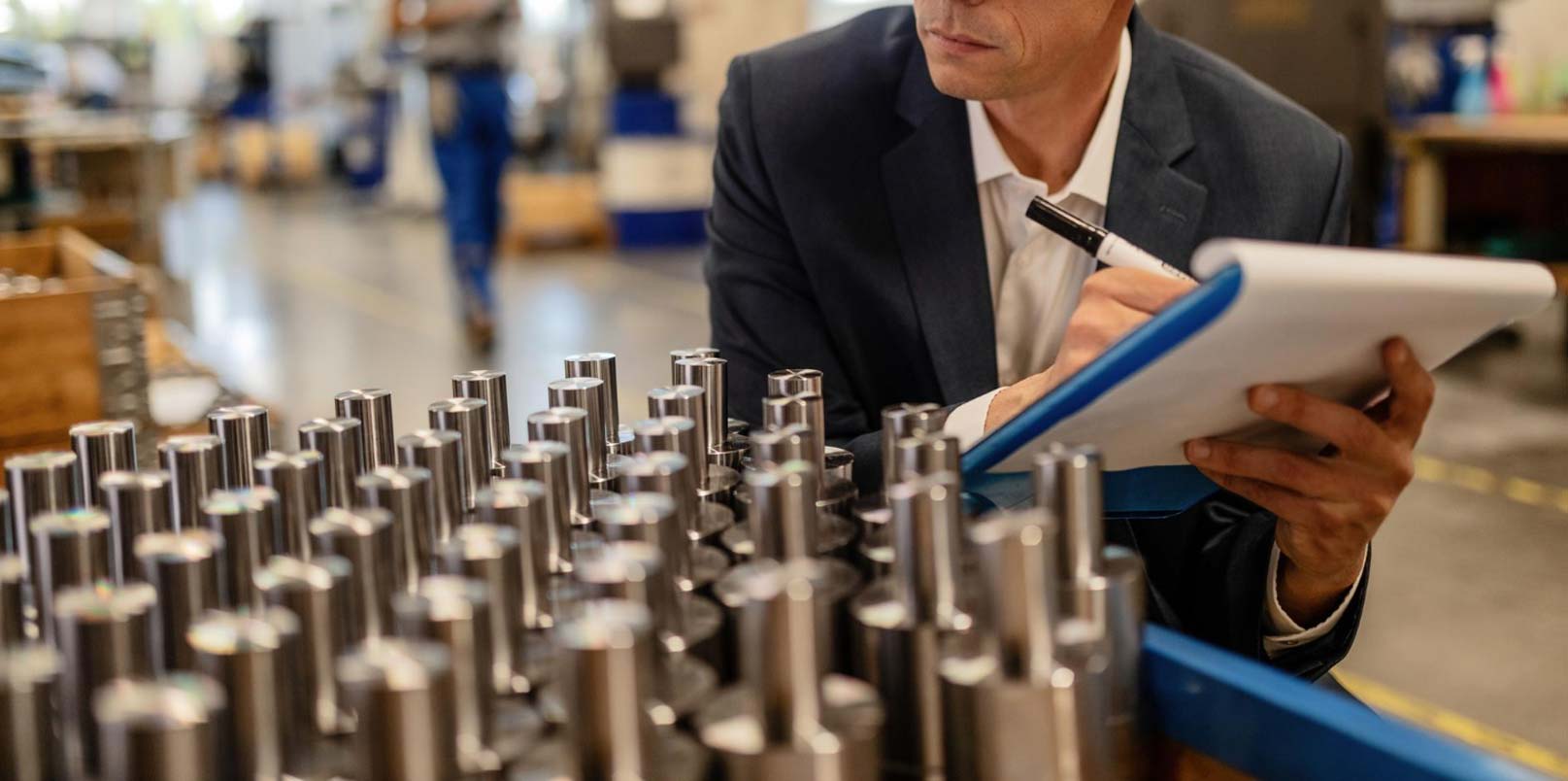
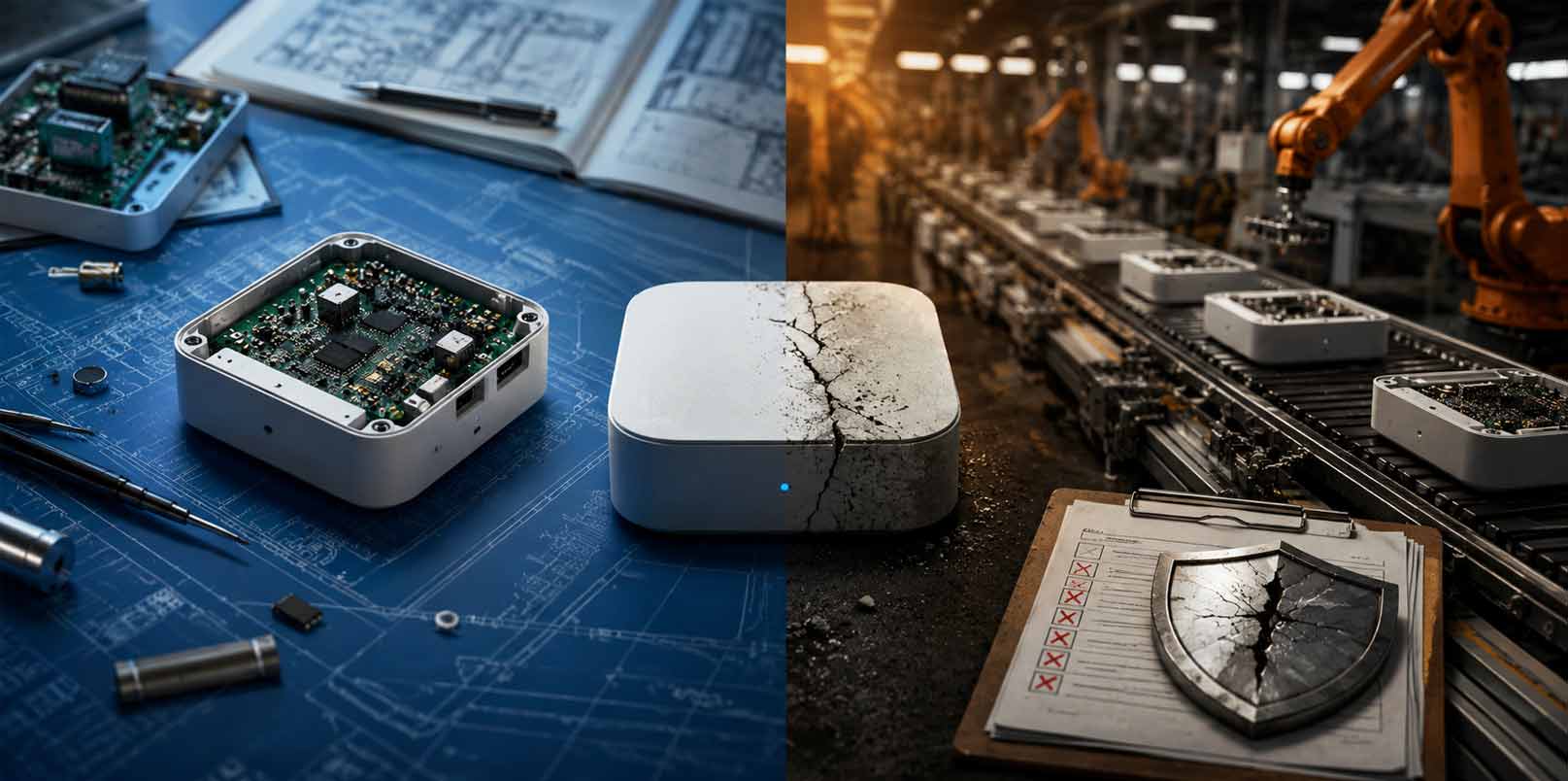
South Korea is widely recognized for manufacturing speed, engineering talent, and advanced industrial infrastructure. Yet many hardware startups still struggle after building a working prototype. The problem is rarely the first demo itself. In many cases, the real breakdown begins when startups attempt to turn a functioning product into something that can actually pass certification, survive production, and enter the market at scale.
A Working Prototype Is Not the Same as a Sellable Product
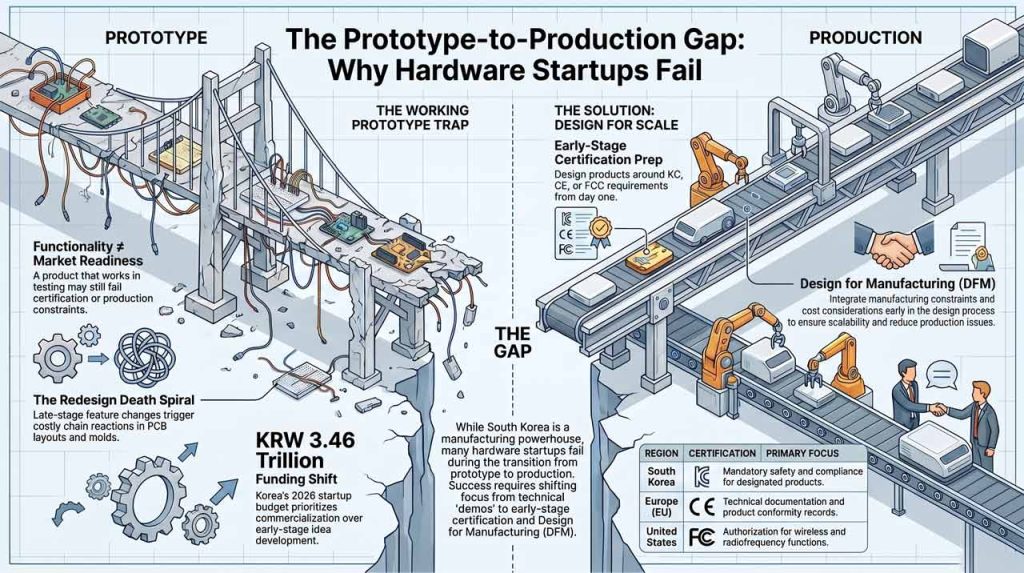
For many early-stage hardware startups, the first successful prototype often creates a false sense of readiness. A product that functions during testing may still fail commercially once it encounters certification requirements, production constraints, and repeated redesign cycles.
Sung Bong Kang, CEO of NEWNOP Group, has worked across electronics development, automotive quality engineering, medical device QA systems, and manufacturing operations before founding the company.
He believed that one of the most common mistakes hardware startups make is building products around features without early consideration in manufacturing and market-entry requirements.
“The essence of failure is clear. Products are developed without considering the target market and certification requirements,”
Kang told KoreaTechDesk.
“The product may work, but it cannot be sold.”

Kang’s observation reflects a growing concern inside Korea’s startup ecosystem. The Korean government itself has increasingly shifted funding toward commercialization and manufacturing readiness rather than idea-stage development alone.
According to South Korea’s Ministry of SMEs and Startups (MSS), the government allocated KRW 3.4645 trillion for startup support programs in 2026 across 508 programs operated by 111 institutions, with commercialization and scale-related support continuing to expand.
Why Certification Problems Appear Too Late
Hardware founders often treat certification as the final administrative step before launch. In practice, certification requirements shape product design much earlier.
Kang explained that many startups underestimate the importance of preparing for certification during the design stage itself. This becomes particularly important for startups targeting overseas markets or regulated industries such as automotive electronics, industrial systems, and medical devices.
“Founders usually focus on component sourcing, product functions, and trying to succeed immediately.
But the truly important areas are target-market definition, certification preparation, quality systems requested by customers, and design for manufacturing.”
South Korea’s certification framework supports this view. The Korea Agency for Technology and Standards (KATS) states that the KC certification system applies mandatory safety and compliance standards to designated products sold in Korea.
The Korea Testing Laboratory (KTL) also notes that electrical and electronic products may require testing, factory inspections, and safety verification before products can legally enter the market.
So for hardware startups, this means certification is not simply paperwork attached after development. Certification decisions can directly affect PCB layouts, component selection, wireless design, materials, and manufacturing processes.
Hardware Startups Often Underestimate Iteration Costs
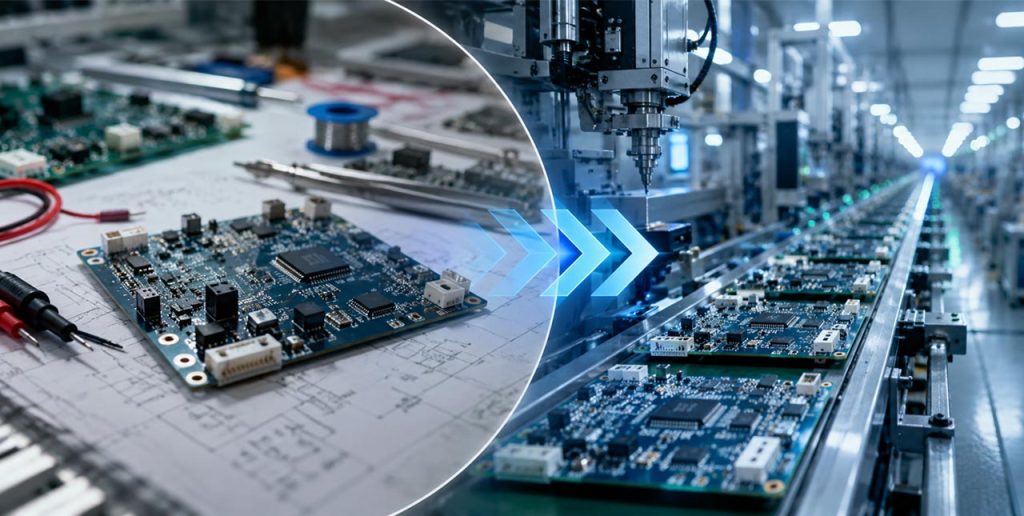
One of the biggest operational misunderstandings in hardware development is the assumption that products can move cleanly from prototype to production without repeated redesign.
Kang said startups frequently continue adding features after the initial design stage without fully understanding the consequences for certification and manufacturing,
“Almost no product is completed in one attempt.
Design changes based on customer requirements, certification responses, and process modifications continue repeatedly.”
He added that uncontrolled feature expansion can trigger a chain reaction across the product development cycle,
“In some cases, functions continue to be added without customer feedback.
Then certification must be done again, PCB size changes lead to mechanical redesign, and mold modifications follow. The development process never truly ends.”
This challenge has become significant enough that South Korea now operates dedicated commercialization and productization programs aimed specifically at manufacturing startups.
The Korea Institute of Startup & Entrepreneurship Development (KISED) currently operates programs supporting prototype production, design improvement, testing, trial molds, certification, and initial manufacturing preparation for startups under seven years old.
The existence of these programs highlights an important reality inside Korea’s startup ecosystem. Building a technically functional prototype is no longer considered enough for commercialization readiness.
Design for Manufacturing Is Becoming a Survival Requirement
Many startups still approach manufacturing only after development is largely complete. This often creates severe production inefficiencies later.
Design for Manufacturing (DFM) has become increasingly important as startups face pressure to shorten launch timelines while maintaining product reliability and certification compliance.
Kang pointed out that products designed only for engineering functionality often become difficult or expensive to mass-produce.
This problem becomes even more serious in sectors with regulatory oversight. Under Korea’s Electrical Appliances and Consumer Products Safety Control Act, certification involves not only product testing but also evaluations of manufacturing systems, technical capability, and production facilities.
And this issue is not unique to Korea alone.
The European Union’s CE marking system requires manufacturers to maintain technical documentation, compliance records, and product conformity before products can legally enter the EU market.
Meanwhile, in the United States, products involving wireless communication or radiofrequency functions may also require Federal Communications Commission (FCC) authorization before commercial distribution.
So for hardware startups targeting global expansion, this immediately creates a difficult transition point. A successful prototype may satisfy investors during demonstration stages, but production environments demand process stability, documentation, repeatability, and quality control structures.
Hardware Startups Are Entering an Era Where Execution Matters More Than Demos
In the end, the pressure on hardware startups is globally changing. Investors, accelerators, and government programs increasingly expect startups to move beyond prototype-stage storytelling and demonstrate real production readiness.
And this shift is reflected on Korea’s commercialization and manufacturing support programs. Recent government-backed initiatives now focus on prototype improvement, certification preparation, manufacturing collaboration, and production readiness instead of early-stage product demonstrations alone.
So as hardware sectors become more regulated and supply chains more unstable, startups face growing pressure to prove they can manufacture consistently, manage certification requirements, and adapt products for real market conditions.
That is why global founders and investors must pay closer attention. A technically impressive prototype may still fail commercially if the certification, manufacturability, and operational execution were never built into the product strategy from the beginning.
Key Takeaways
- A working hardware prototype does not guarantee commercial readiness.
- Korean hardware startups often fail during the transition from prototype to production, not during initial development.
- Certification requirements must be considered during early product design, not after development is complete.
- Design for Manufacturing (DFM) is becoming essential for hardware commercialization and scale readiness.
- Repeated redesign cycles involving certification, PCB changes, and mold modifications can delay or derail product launches.
- South Korea is increasingly funding commercialization and productization programs, reflecting growing ecosystem focus on production readiness.
- Global hardware startups face similar challenges around certification, manufacturing systems, and operational execution before market launch.
– Stay Ahead in Korea’s Startup Scene –
Get real-time insights, funding updates, and policy shifts shaping Korea’s innovation ecosystem.
➡️ Follow KoreaTechDesk on LinkedIn, X (Twitter), Threads, Bluesky, Telegram, Facebook, and WhatsApp Channel.
🤝 Looking to connect with verified Korean companies building globally?
Explore curated company profiles and request direct introductions through beSUCCESS Connect.