As Korea and China reopen economic dialogue after years of strained ties, Korea’s mid-sized companies are stepping forward with clear demands: tangible trade reforms, better market access, and balanced opportunities. Beyond diplomatic symbolism, the business community is calling for real structural change—where improved policy frameworks translate into renewed growth and cross-border innovation.
Korean Mid-Sized Firms Emphasize Practical Gains from Seoul–Beijing Summit
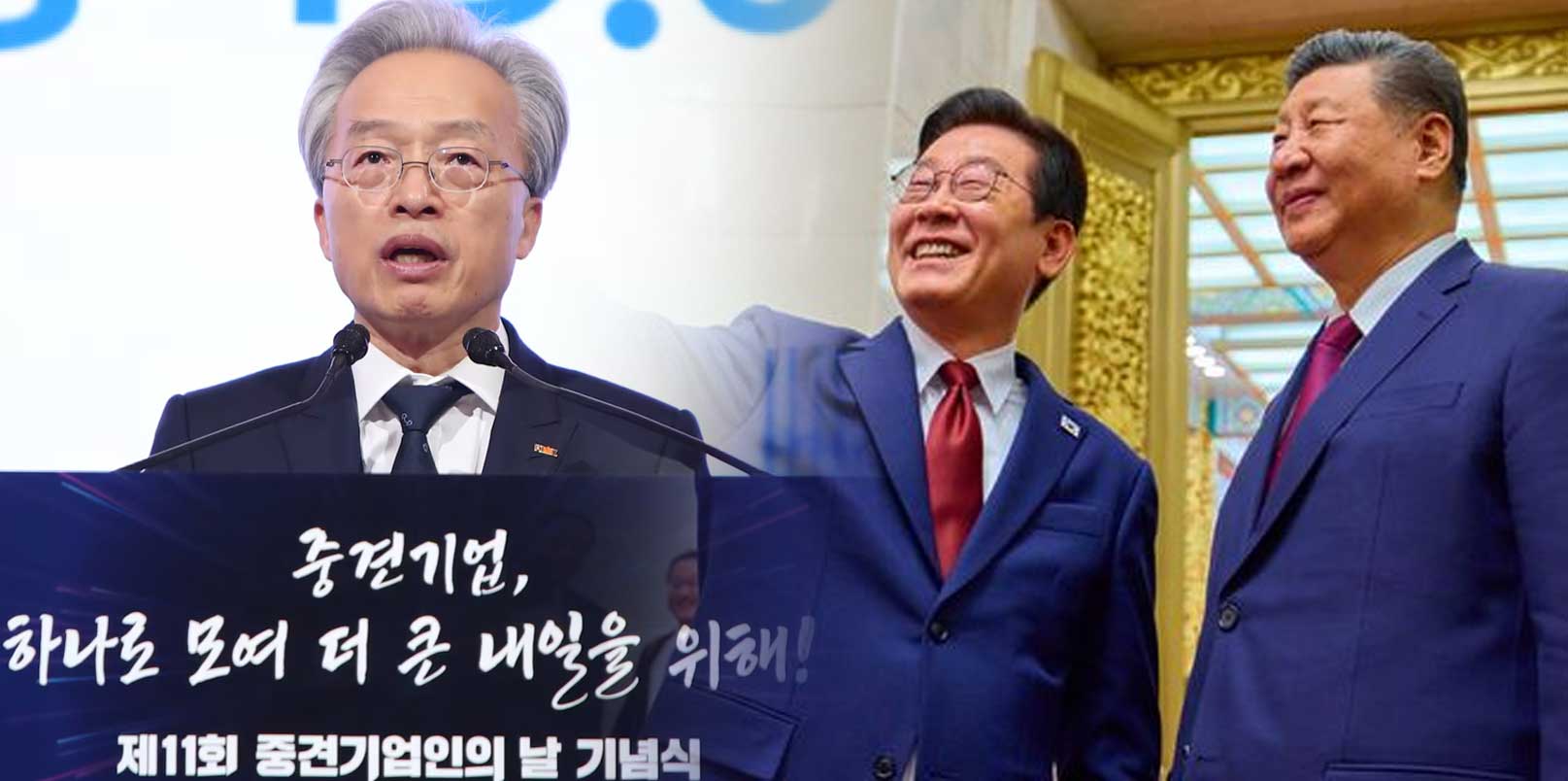
During President Lee Jae-myung’s recent state visit to China and summit with President Xi Jinping, The Korea Federation of SMEs (KBIZ) issued a strong statement emphasizing the need to transform renewed diplomatic ties into practical economic cooperation.
The federation described the meeting as a “historic occasion that laid the foundation for a concrete cooperation process to effectively respond to global economic changes.” It welcomed the establishment of a regular ministerial-level trade cooperation dialogue, the signing of 14 MOUs on technology, climate, and digital sectors, and new arrangements to stabilize mineral supply chains.
For the mid-sized enterprise sector—Korea’s “economic backbone”—the summit signaled an opportunity to rebuild business confidence and reestablish access to China, the nation’s largest export market and one of its top three preferred overseas destinations.
Background: Trade Partners Reconnect After a Diplomatic Freeze
The Seoul–Beijing summit marks the first state-level engagement between the two countries in nearly a decade. While the meeting carried broad political significance, it also reignited long-delayed discussions on bilateral trade normalization and industrial collaboration.
For Korean businesses, the outcome goes beyond political diplomacy. China remains critical to Korea’s export-driven economy—not only as a consumer market but also as a manufacturing and technology partner. Over recent years, mid-sized firms faced mounting trade costs, regulatory inconsistencies, and limited access caused by non-tariff barriers.
The renewed dialogue between both governments is therefore seen as an essential step toward reducing structural asymmetries that have disadvantaged Korean exporters and investors in the Chinese market.
KBIZ Statement: Leveling the Playing Field for Mid-Sized Companies
In a unified statement, the federation called on both governments to “address longstanding unfair conditions” through the upcoming second round of Korea–China FTA negotiations.
KBIZ specifically urged China to:
- Ease non-tariff barriers that continue to hinder Korean exports, aligning standards with those of advanced economies.
- Expand tariff exemptions and reductions to balance trade competitiveness.
- Ensure predictable policy frameworks for foreign firms operating in the Chinese market.
The organization further emphasized that these measures are essential for mitigating domestic industry losses in the short term and building a mutually beneficial trade environment in the long term.
A KBIZ representative noted that the agreements signed during the summit—particularly in AI, renewable energy, and supply-chain innovation—could form the “practical foundation for a new growth phase” between the two economies.
Korea – China Summit: Rebuilding Economic Trust Through Mid-Market Cooperation
The renewed engagement between Korea and China reflects more than diplomacy—it signals the restoration of business confidence at a crucial time for the regional economy.
For mid-sized companies, China’s extensive industrial base and deep tech investment landscape represent both a competitive challenge and a strategic opportunity. Many Korean enterprises in robotics, renewable energy, and advanced materials sectors view the partnership as a potential gateway for co-development, leveraging complementary strengths: Korea’s R&D-driven innovation and China’s market scale and capital resources.
However, industry experts caution that policy follow-through will determine whether this momentum translates into sustained business gains. Without structural improvements in transparency, intellectual property protection, and customs procedures, the symbolic agreements risk fading into diplomacy without economic impact.
Toward a Constructive Economic Reset
The 2026 Korea–China summit may mark the reopening of a corridor for pragmatic cooperation. Yet, as mid-sized firms emphasize, the real measure of progress lies in execution—how trade reforms, regulatory adjustments, and institutional dialogues translate into daily business reality.
If both governments maintain policy continuity and establish credible follow-up mechanisms, the renewed engagement could evolve into a sustainable trade partnership that benefits not only conglomerates but also the innovation-driven middle tier of Korea’s economy.
As one federation statement concluded, this is not simply about reviving exports. It is about rebuilding economic trust and shared growth between two of Asia’s most interlinked industrial ecosystems.
🤝 Looking to connect with verified Korean companies building globally?
Explore curated company profiles and request direct introductions through beSUCCESS Connect.
– Stay Ahead in Korea’s Startup Scene –
Get real-time insights, funding updates, and policy shifts shaping Korea’s innovation ecosystem.
➡️ Follow KoreaTechDesk on LinkedIn, X (Twitter), Threads, Bluesky, Telegram, Facebook, and WhatsApp Channel.