
South Korea’s largest startup association is quietly rewriting how it governs itself. Korea Startup Forum (KOSPO) has decided to eliminate its vice-chair system and move authority to strategic committee leaders. The structural change follows the election of Kim Jaewon as the forum’s fifth chair and signals a push to broaden participation among member companies as the organization enters its second decade.
Korea Startup Forum Abolishes Vice Chairs After Leadership Transition
Korea Startup Forum (KOSPO) has begun reorganizing its internal governance structure after electing Kim Jaewon as its fifth chairperson on February 26.
Industry sources reported that the forum decided to abolish the vice-chair system that previously supported the chair’s decision-making process. Under the earlier structure, several vice chairs helped coordinate opinions from board member companies and participated in key organizational decisions.
During the previous administration led by Han Sang-woo, three vice chairs served alongside the chair. These included Lee Joo-wan of MegazoneCloud, Kim Min-ji of V-Dream, and Koo Tae-eon of Tech & Law Ventures.
Vice chairs also assumed the chair’s responsibilities when the chair was unavailable.
Discussions reportedly considered appointing new vice chairs during the transition. Names such as Park Sung-hyun (CEO of Rebellions) and Kim Joo-young (CEO of HyperAccel) were mentioned within the organization. The forum ultimately decided to discontinue the position altogether.
Strategic Committees Take Over Decision-Making Roles
The responsibilities previously handled by vice chairs are expected to move to the leaders of the forum’s committees.
KOSPO is currently restructuring its existing “subcommittee” system into what it calls strategic committees, with committee chairs playing a larger role in the organization’s decision-making process.
The association currently operates six committees organized by functional focus:
- Global affairs
- External policy
- Growth and development
- Regional affairs
- Community
- ESG
The forum is reportedly discussing further restructuring, including the creation of additional committees within the strategic committee framework.
According to a KOSPO official, the final structure has not yet been confirmed, though the intent is to establish a system in which committee leaders take an active role in driving the forum’s initiatives.
Governance Debate Inside Korea’s Largest Startup Association
The governance change reflects an ongoing debate inside the organization about representation and participation.
The earlier vice-chair structure offered efficiency because vice chairs gathered and consolidated opinions from board members before major decisions were made.
At the same time, some members argued that the structure created an additional layer in the decision chain. Critics suggested that this could reduce the motivation of board member companies to participate directly in the organization’s governance.
Under the new model, KOSPO leadership aims to involve more member companies in organizational activities by distributing responsibilities among strategic committee chairs.
A Structural Shift as KOSPO Enters Its Second Decade
The organizational reform arrives shortly after Kim Jaewon formally assumed the chairmanship of the forum during the 2026 regular general assembly held at MARU180 in Seoul’s Gangnam district.
Kim leads Elice Group, a company providing AI infrastructure, cloud platforms, and education services. During the assembly, he stated that the forum aims to become a key policy partner in shaping the future of Korea’s economy.
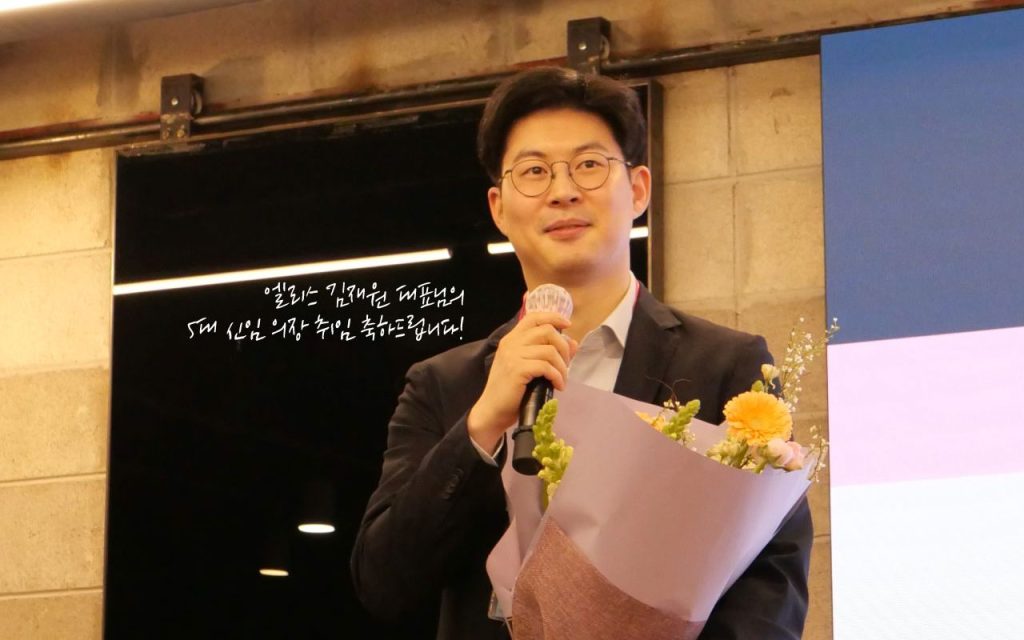
The forum also marked its tenth anniversary this year and announced plans to evolve into what it calls a “problem-solving platform” for the startup ecosystem. Initiatives discussed include support for member companies’ AI transformation and expanded global cooperation.
Membership in KOSPO has grown steadily in recent years. The association reports more than 2,600 member companies, with many representing technology-driven startups that have secured investment.
Why the Governance Reform Matters for the Startup Ecosystem
The change in internal structure offers insight into how Korea’s startup ecosystem organizes collective representation.
KOSPO functions as one of the most visible private startup networks in the country and regularly participates in discussions with government ministries and the National Assembly on regulatory issues affecting emerging industries.
The forum’s own ecosystem data illustrates the scale of companies represented within its network. According to its 2025 white paper, member companies collectively generated approximately KRW 18.9 trillion in revenue, raised more than KRW 28.5 trillion in cumulative investment, and employed over 52,000 workers across more than 1,300 companies.
In this context, governance changes inside KOSPO can influence how startup interests are articulated in policy conversations.
A committee-led structure could broaden participation among member companies. At the same time, the effectiveness of the new system will depend on how actively committee leaders engage with the forum’s policy agenda and industry initiatives.
For global founders and investors observing the Korean startup ecosystem, the development highlights how institutional representation evolves as ecosystems mature. Associations that began as networking platforms often transition toward more structured policy advocacy as membership expands and sector complexity grows.
A Governance Experiment for Korea’s Startup Advocacy
KOSPO’s decision to abolish vice chairs does not change its role as a private association. Yet the move signals a willingness to adjust internal structures as the organization expands.
The coming months will show whether the strategic committee model increases participation among board member companies or simply redistributes responsibilities within the existing leadership circle.
For the broader startup ecosystem, the outcome matters less as an internal management issue and more as a test of how effectively Korea’s largest startup association can channel the voices of its growing membership into policy discussions.
As KOSPO enters its second decade, governance design itself may become an important factor in how startup perspectives reach Korea’s economic decision-makers.
Key Takeaways on KOSPO’s New Governance System
- Korea Startup Forum has abolished its vice-chair system following the election of Kim Jaewon as its fifth chair.
- Responsibilities previously handled by vice chairs will shift to leaders of newly emphasized strategic committees.
- The forum currently operates six committees covering global affairs, policy, growth, regional engagement, community, and ESG.
- The restructuring aims to involve more member companies in governance and decision-making.
- With more than 2,600 member firms and significant collective revenue and investment, KOSPO remains a key platform representing Korea’s startup ecosystem in policy discussions.
🤝 Looking to connect with verified Korean companies building globally?
Explore curated company profiles and request direct introductions through beSUCCESS Connect.
– Stay Ahead in Korea’s Startup Scene –
Get real-time insights, funding updates, and policy shifts shaping Korea’s innovation ecosystem.
➡️ Follow KoreaTechDesk on LinkedIn, X (Twitter), Threads, Bluesky, Telegram, Facebook, and WhatsApp Channel.