South Korea’s largest startup association has entered a leadership transition at a time of policy recalibration. Korea Startup Forum has elected Elice Group CEO Kim Jae-won as its fifth chair, pairing a 10th anniversary milestone with a renewed push on emerging-industry regulation and AI transformation. For global founders and investors tracking Korea’s policy direction, the change signals how startup representation may evolve in 2026.
Korea Startup Forum Elects Kim Jae-won at 2026 General Assembly
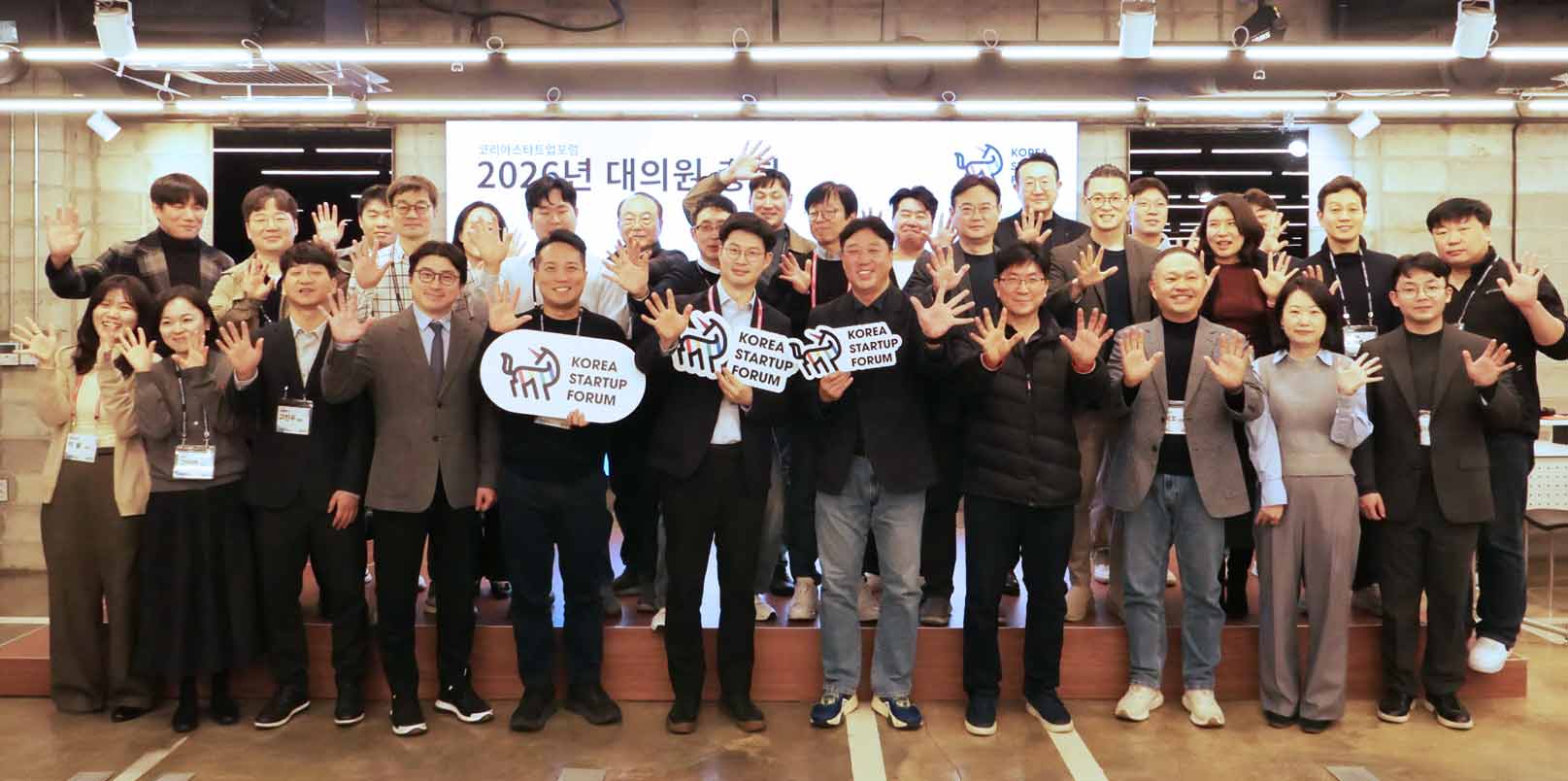
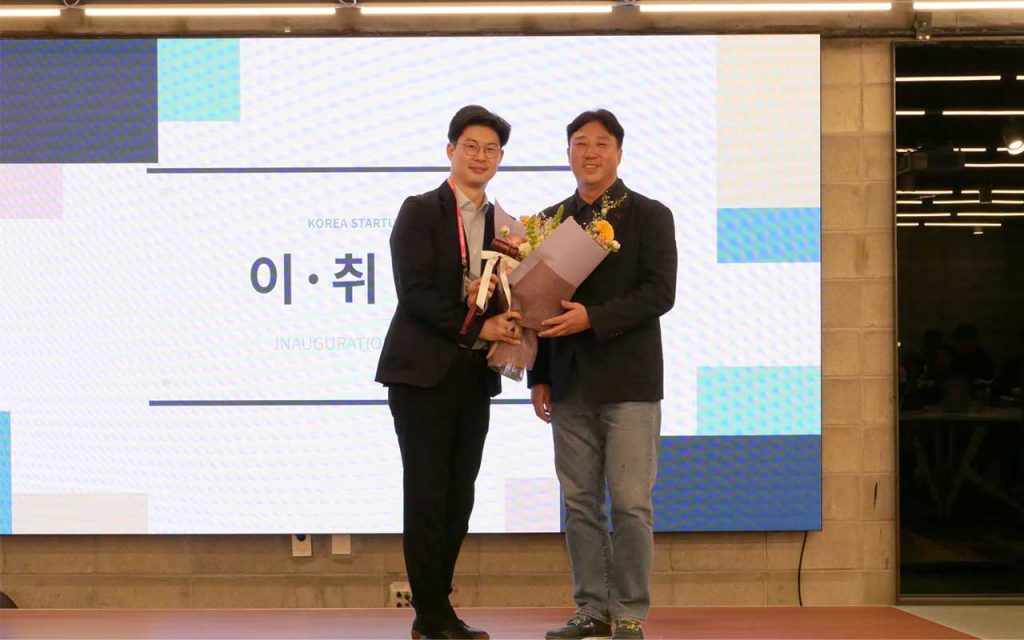
On February 26, Korea Startup Forum, widely known as KOSPO, held its 2026 Annual General Assembly at MARU180 in Gangnam, Seoul. According to official releases and local media reports, Kim Jae-won, CEO of Elice Group, was unanimously elected as the fifth chairperson.
Previously, Kim Jae-won had been nominated as the sole candidate during KOSPO’s first board meeting in January. Approximately 60 representatives, including board members, delegate companies, and regular members, attended the assembly. The session included a review of 2025 activities and financial statements, approval of the 2026 business plan, and adoption of the annual budget.
Kim now succeeds Han Sang-woo, CEO of Wizdom, who led the organization for the past two years.
KOSPO Korea: A 10-Year Milestone and Policy Repositioning
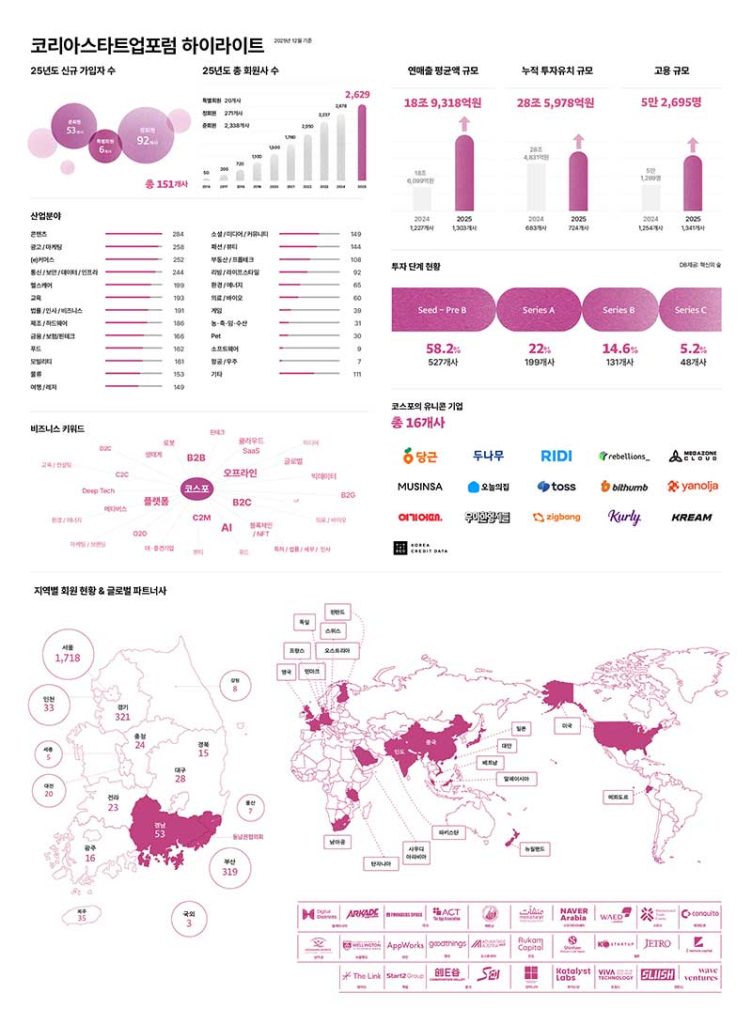
Founded in 2016 by around 50 startups and incorporated as a non-profit association in 2018, KOSPO has grown into the largest startup association in Korea. Membership has surpassed 2,600 companies, including approximately 1,400 firms with innovation- or technology-based investment histories.
The 2025 Korea Startup Forum White Paper, unveiled during the assembly, provides updated ecosystem data. Among 1,303 member companies surveyed, total annual revenue reached KRW 18.93 trillion. Cumulative investment secured by 724 companies amounted to KRW 28.60 trillion. Employment across 1,341 companies totaled 52,695 people.
By funding stage, 527 out of 905 companies analyzed had raised seed to pre-Series B capital, representing 58.2 percent. Forty-eight companies had secured Series C or higher funding, accounting for 5.2 percent.
These figures illustrate the scale of companies represented under KOSPO’s umbrella and frame the organization’s policy influence within the broader Korea startup ecosystem.
Kim Jae-won’s Policy Agenda: AI Quota and Emerging Industry Reform
In his inaugural remarks, Elice Group CEO and Korea Startup Forum (KOSPO)’s new chairman Kim Jae-won stated:
“Entering an era of a KRW 730 trillion national budget, KOSPO aims to become a key policy partner in designing the future of the national economy.
As we mark our 10th anniversary in 2026, we will strengthen regulatory innovation in emerging industries, including the introduction of an AI technology quota system, and enhance global cooperation so that the seeds planted over the past decade bear fruit in the startup ecosystem.”
His reference to an “AI technology quota system” and regulatory reform in emerging industries signals an intent to shape legislative and institutional frameworks affecting sectors such as AI, climate tech, and other new industrial categories.
Yes, the releases do not specify policy details, and no formal proposal has yet been announced. However, the emphasis on regulatory innovation was repeated across multiple statements.
Meanwhile, former chair Han Sang-woo commented:
“Despite financial and policy challenges, we achieved meaningful results as a reliable running mate for startups thanks to the dedication of our members and secretariat. I support further growth under Chairperson Kim Jae-won’s leadership.”
Korea Startup Forum: From Facilitator to “Problem-Solving Platform”
KOSPO declared that it will transition from being a facilitator of innovation to what it describes as a “problem-solving platform” designing the next decade of Korean startups.
Planned initiatives include supporting member companies’ AI transformation, expanding global partnerships, and upgrading COMEUP 2026, Korea’s flagship global startup conference. The organization also plans a 10th anniversary campaign to promote entrepreneurship and reposition startups as a central brand of the Korean economy.
The association previously expanded industry councils in sectors such as telemedicine and legal tech, and more recently added AI, MICE tech, and climate tech. It has positioned itself as a counterpart to government ministries and the National Assembly on startup-related policy discussions.
Why This Leadership Shift Matters Beyond Titles
KOSPO is not a regulatory body, but its membership scale gives it weight in legislative consultations and policy roundtables. The white paper data underscores that companies within its network account for substantial revenue, investment, and employment figures.
For global stakeholders, this leadership change signals how Korea’s startup advocacy may evolve in 2026. An AI-focused founder now leads the country’s largest startup association at a time when emerging-industry regulation and AI policy are under active discussion.
The announcement does not introduce new funding programs or government mandates. Instead, it frames an intention to strengthen regulatory reform dialogue and global cooperation.
In the Asia-Pacific startup ecosystem, industry associations often shape soft power through agenda-setting, white papers, and policy proposals. KOSPO’s shift toward a more assertive “problem-solving” identity suggests a deeper role in regulatory debates that affect market entry, compliance costs, and sector-specific licensing frameworks.
Looking Ahead: A Test of Policy Influence
The coming year will test how effectively KOSPO translates its agenda into measurable regulatory outcomes. The emphasis on AI transformation support and emerging-industry rule reform places the organization at the intersection of startup advocacy and national industrial strategy.
COMEUP 2026 and anniversary campaigns may expand global visibility, but long-term impact will likely depend on whether policy proposals gain traction within government channels.
For founders and investors assessing Korea’s startup regulatory reform landscape, the change in leadership is less about symbolism and more about policy positioning.
Key Takeaway of Korea’s Startup Forum New Chair
- Korea Startup Forum elected Elice Group CEO Kim Jae-won as its fifth chair at the 2026 Annual General Assembly.
- Membership exceeds 2,600 companies, with 2025 revenue of KRW 18.93 trillion and cumulative investment of KRW 28.60 trillion among surveyed members.
- Kim emphasized regulatory innovation in emerging industries, including discussion of an AI technology quota system.
- KOSPO declared a transition toward a “problem-solving platform” role as it marks its 10th anniversary.
- The leadership shift may influence Korea startup regulatory reform discussions in 2026, particularly in AI and new industry sectors.
– Stay Ahead in Korea’s Startup Scene –
Get real-time insights, funding updates, and policy shifts shaping Korea’s innovation ecosystem.
➡️ Follow KoreaTechDesk on LinkedIn, X (Twitter), Threads, Bluesky, Telegram, Facebook, and WhatsApp Channel.
🤝 Looking to connect with verified Korean companies building globally?
Explore curated company profiles and request direct introductions through beSUCCESS Connect.