For many foreign founders, receiving acceptance into a Korean startup program feels like a breakthrough moment. The email arrives, congratulations follow, and a new market suddenly appears within reach. But little did they know that the most important work often begins after that acceptance letter. Because yes, Korea’s startup programs— like KSGC, for instance—can provide access, credibility, and support, but none of those just automatically become customers, partnerships, or long-term growth.
Korea Has Built Serious Infrastructure for Global Founders
South Korea has steadily expanded its startup support system to attract international entrepreneurs.
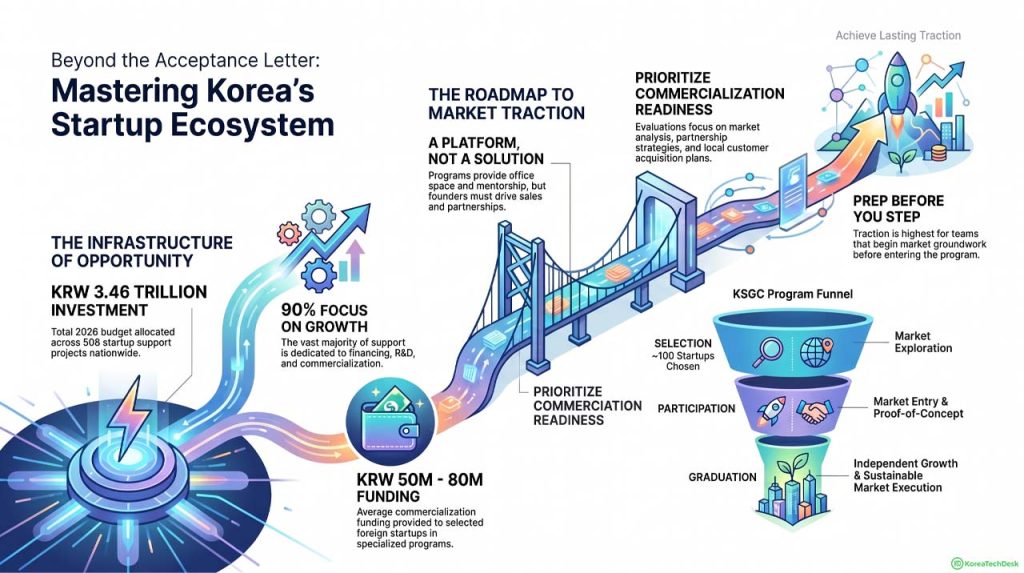
According to the Korean government’s 2026 Integrated Startup Support Program announcement, central and local governments will operate 508 startup support projects this year with a combined budget of approximately KRW 3.4645 trillion. Financing, research and development, and commercialization programs account for nearly 90% of the total support package.
Not only that but foreign founders have also gained access to increasingly specialized programs.
The Ministry of SMEs and Startups recently expanded the Global Startup Commercialization Program, increasing the number of supported foreign startups from 10 to 15 companies. Selected startups receive commercialization funding averaging KRW 50 million, with support capped at KRW 80 million, alongside access to services offered through the Global Startup Center.
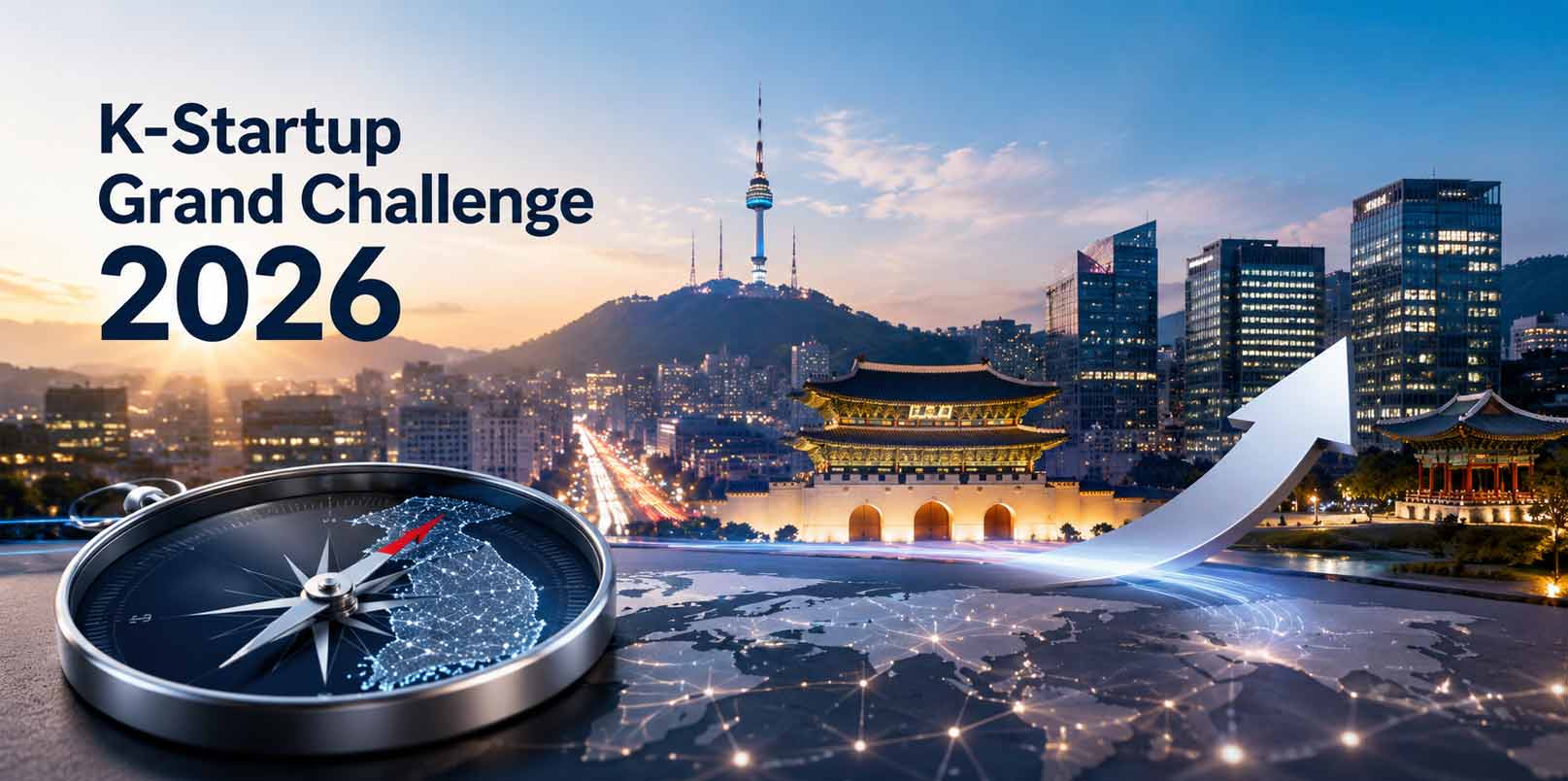
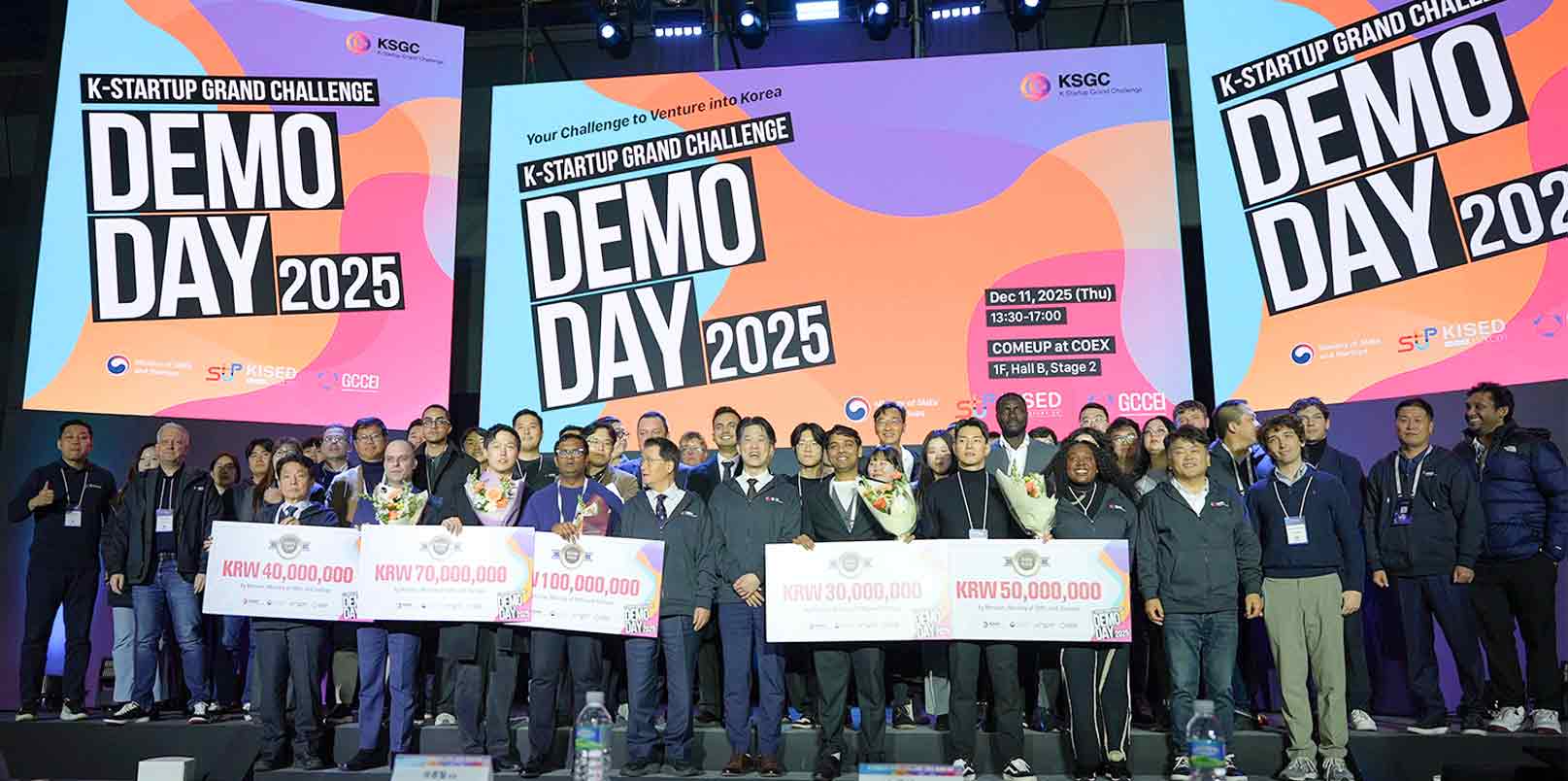
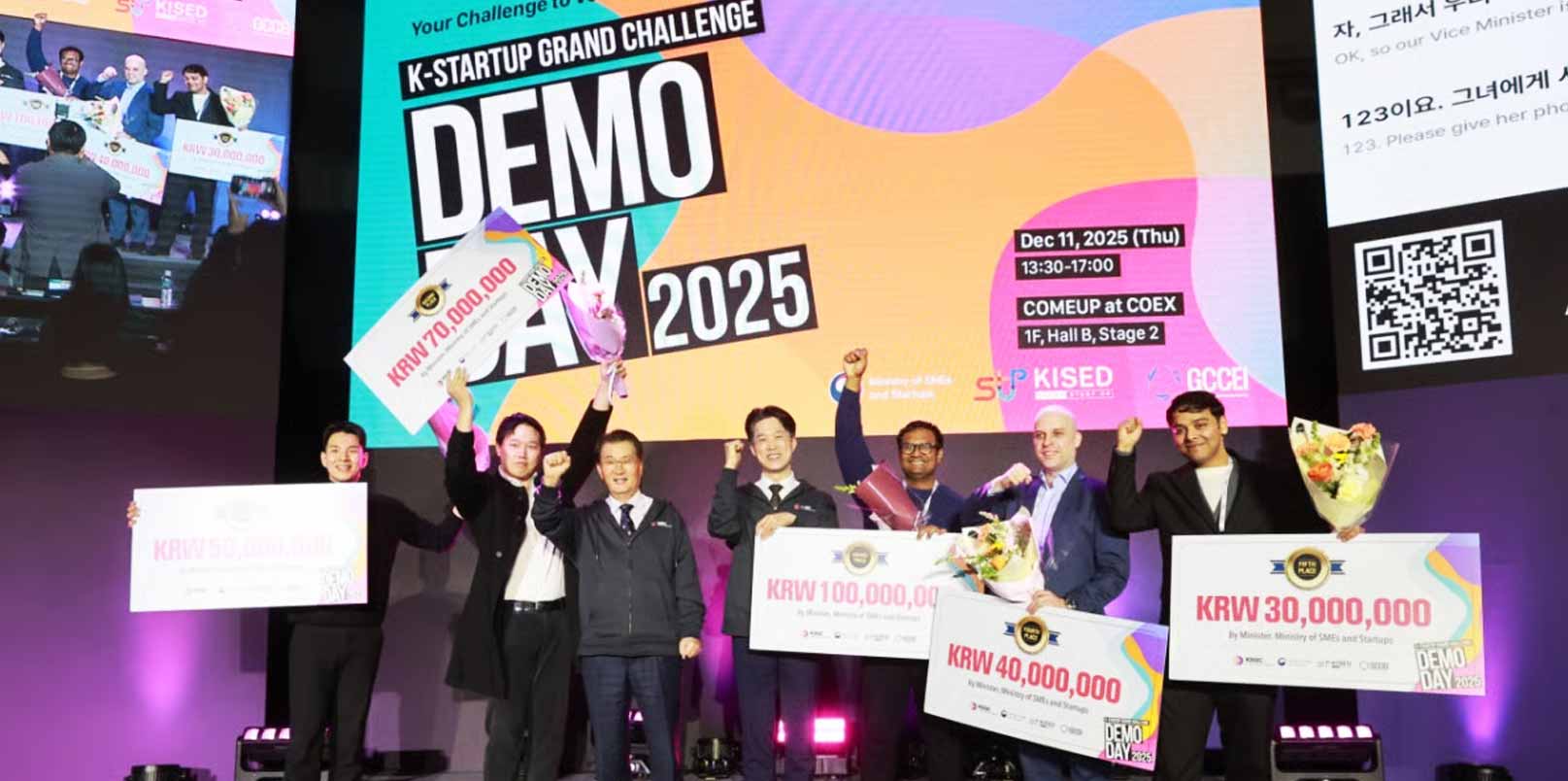
At the center of Korea’s inbound startup strategy sits the K-Startup Grand Challenge (KSGC), one of the country’s flagship initiatives for global founders seeking entry into Korea.
However, while these programs provide valuable support for entering the market, they do not guarantee immediate success for all the participants
Why KSGC Was Never Designed to Be a Shortcut
The KSGC structure itself reveals an important reality that founders often overlook.
The 2026 program will initially select approximately 100 startups. The process gradually narrows as participants move through market exploration, market entry, and market growth stages. The framework reflects the understanding that entering Korea is not a single milestone but an ongoing execution process.
CEO and Founder of ELKXA, Pidchayanin Chutipattana, has worked extensively with foreign startups entering Korea on market-entry strategy, commercialization planning, and ecosystem navigation.
Her recent project included supporting a Thai AI startup that reached the Top 40 of the 2025 K-Startup Grand Challenge, providing firsthand insight into how international founders engage with Korea’s startup support programs.
Based on her experience, she believes founders often misunderstand the purpose of programs like KSGC.
“The program is a platform, not a solution.”
That distinction is important because programs can provide office space, mentorship, investor exposure, networking opportunities, and credibility. However, founders still need to transform those resources into business outcomes themselves.

Access Creates Opportunity. Execution Creates Traction
KSGC’s own evaluation framework increasingly emphasizes commercialization readiness.
The program now assesses applicants on factors such as Korea market analysis, domestic partnership strategies, proof-of-concept plans, customer acquisition approaches, and commitment to operating in Korea.
In other words, the program is no longer simply asking startups what technology they built. It is asking how they plan to turn that technology into a business inside Korea.
Yet founders often arrive with different expectations.
“The disconnect happens when founders expect the program to do the commercial work for them,”
Chutipattana told KoreaTechDesk.
Yes, programs can introduce startups to investors, large companies, public organizations, and ecosystem stakeholders. What they cannot do is building the relationship itself on behalf of the founders. Not only that, but these programs also cannot define product positioning as well. And they cannot negotiate partnerships or discover customers.
These responsibilities remain with the startup.

Why Some Founders Benefit More Than Others
Chutipattana has observed that the teams gaining traction through Korean startup programs often began preparing long before they entered the program itself.
“They were already doing the groundwork independently before they even applied.”
That preparation can include studying market conditions, identifying potential partners, refining local positioning, and understanding how their solutions fit Korean customer needs.
As a result, the program becomes an accelerator rather than a starting point.
“The program amplified what was already in motion.”
This insight offers an important lesson for founders evaluating Korea’s startup ecosystem: selection may validate potential, but it does not replace market preparation.

Why Momentum Often Disappears After the Program Ends
Korea’s support infrastructure has become increasingly sophisticated, and KSGC has built an impressive record.
Over the years, KSGC has received more than 18,000 applications globally and supported over 400 startup graduates since its launch.
Yet participation alone does not guarantee commercial success.
“The teams that relied on the program as their entire Korea strategy almost always stall once it ends.”
Programs eventually conclude, demo days wrap up, office access expires, and scheduled meetings become less frequent. That is why at that point, startups need their own relationships, market knowledge, and execution discipline to continue moving forward, because while the support system can lower entry barriers, it cannot permanently carry the company.
The Best Founders Treat Programs as Multipliers
As Korea’s foreign startup support ecosystem becomes more sophisticated, it signals something important.
Korea increasingly recognizes that attracting global founders requires more than grants or events. The country has built commercialization funding, startup communities, dedicated facilities, and structured market-entry programs that compare favorably with many startup ecosystems.
The opportunity is real, but the founders who benefit most tend to approach these programs differently. They arrive with hypotheses, questions, and clear commercial objectives, using meetings to build independent relationships and seeking opportunities beyond official schedules.
Rather than relying on the program itself, they treat support mechanisms as tools that amplify execution already underway.
Because in the end, the program may be able to open doors. But it cannot build the business for them.
Key Takeaway
- Korea’s startup support infrastructure has grown substantially, with KRW 3.4645 trillion allocated across 508 startup support projects in 2026.
- KSGC and other programs are designed as execution platforms, providing access, credibility, and support rather than guaranteed commercial outcomes.
- KSGC’s evaluation criteria increasingly emphasize commercialization readiness, including market analysis, customer acquisition, partnerships, and operational commitment to Korea.
- Programs cannot replace founder-led execution, including relationship building, market positioning, and customer development.
- The startups that gain traction often begin preparing before entering the program, using support initiatives to accelerate work already in progress.
- Participation and acceptance are important milestones, but they are not market success in themselves.
- The key question is not simply how to enter a program, but how to convert program access into sustainable business execution.
– Stay Ahead in Korea’s Startup Scene –
Get real-time insights, funding updates, and policy shifts shaping Korea’s innovation ecosystem.
➡️ Follow KoreaTechDesk on LinkedIn, X (Twitter), Threads, Bluesky, Telegram, Facebook, and WhatsApp Channel.
🤝 Looking to connect with verified Korean companies building globally?
Explore curated company profiles and request direct introductions through beSUCCESS Connect.