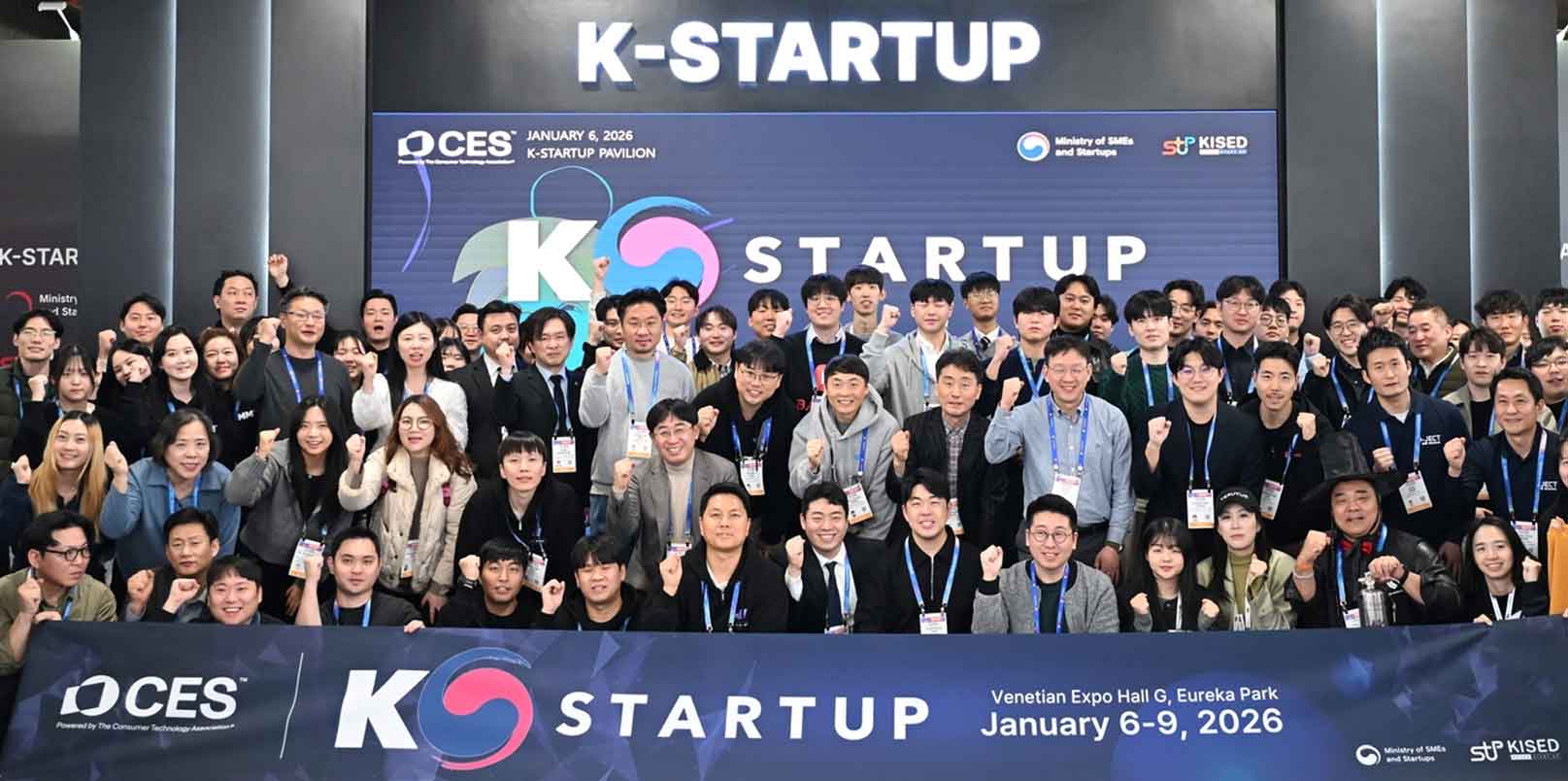
At CES 2026, the spotlight has shifted. For the first time, Korea’s startups—not just its global tech giants—are shaping the global deep-tech conversation. Their achievements reveal a maturing ecosystem where AI, spatial computing, and robotics innovation converge into exportable competitiveness. What began as an effort to bridge research and commercialization is now positioning Korean startups as defining forces in the next wave of global technology leadership.
Korean Startups Lead CES 2026 With Record-Breaking Wins
South Korean startups have taken center stage at CES 2026, securing an unprecedented share of the event’s most prestigious awards. According to the Consumer Technology Association (CTA), Korean companies captured 15 of the 31 Best of Innovation Awards—nearly half of all top honors.
Additionally, data from KOTRA show that among the 284 CES 2026 Innovation Award winners announced on November 30, 168 (about 60%) were Korean companies—up from 131 (45%) at CES 2025—reflecting Korea’s expanding global presence in innovation sectors.
Of these, AI-focused small and medium-sized enterprises (SMEs) and startups accounted for 10 awards, representing 32% of all Best of Innovation Awards winners and two-thirds of those earned by Korean companies.
This marks a major leap in Korea’s positioning within the global deep-tech race, placing local innovators alongside major conglomerates like Samsung Electronics and LG Electronics on the global technology stage.
AI Startups Drive Breakthroughs in Autonomous Mobility and Spatial Intelligence
Two startups—LBS Tech and Deep Fusion AI—stood out for redefining how AI interprets spatial data for autonomous driving.
LBS Tech, which won the Best of Innovation Award in the Travel & Tourism category, unveiled an AI-powered transport connection design system that determines optimal pick-up, drop-off, and transfer points. By integrating location intelligence and predictive algorithms, the platform enhances passenger mobility efficiency across smart cities.
Meanwhile, Deep Fusion AI received the Best of Innovation Award in the AI category for its radar-based spatial analysis solution. Unlike conventional systems that rely on multiple sensors such as cameras or LiDAR, DeepFusion AI uses only radar signals to map surroundings, enabling precise object detection and tracking.
Additionally, Deep Fusion AI’s model achieved 40% higher accuracy than competing solutions and can run efficiently on edge-computing environments, making it scalable for autonomous vehicles, logistics robots, and smart city infrastructure.
XR and Content Technologies Highlight Korea’s Emerging Edge in Creativity Tech
In the XR (Extended Reality) and content innovation categories, Korean startups also outperformed global peers—highlighting the country’s growing strength in AI-driven spatial computing.
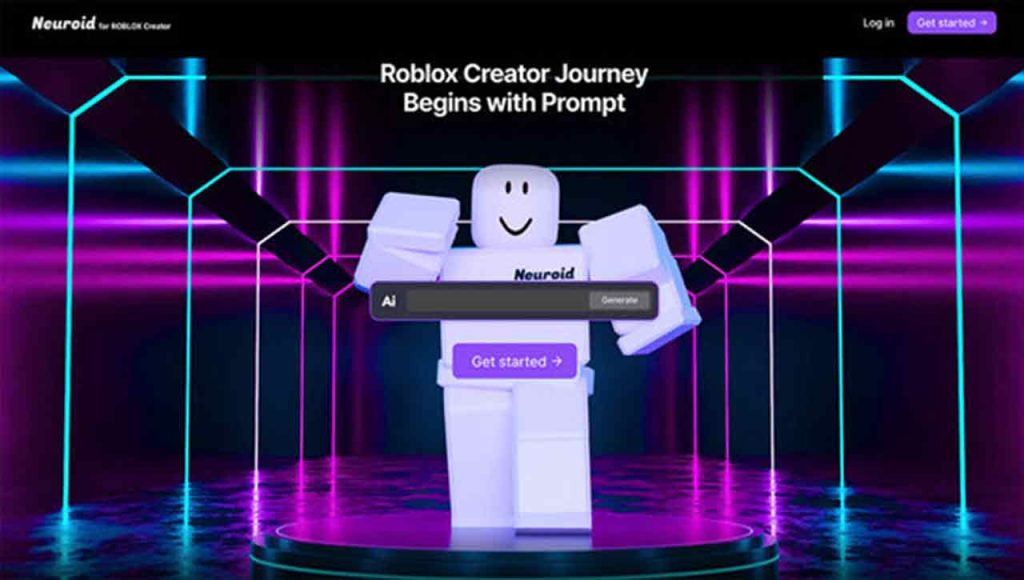
Nation A, a startup specializing in AI-based 3D modeling and motion generation, earned three CES awards: in Content & Entertainment, Mobile Devices, and XR Spatial Computing. Its flagship platform, Neuroid Playmaker, converts text, voice, or video prompts into 3D motion using data from over one billion recorded human movements. The system allows joint-level precision editing in virtual environments, enabling realistic and efficient 3D content creation for gaming, film, and immersive experiences.
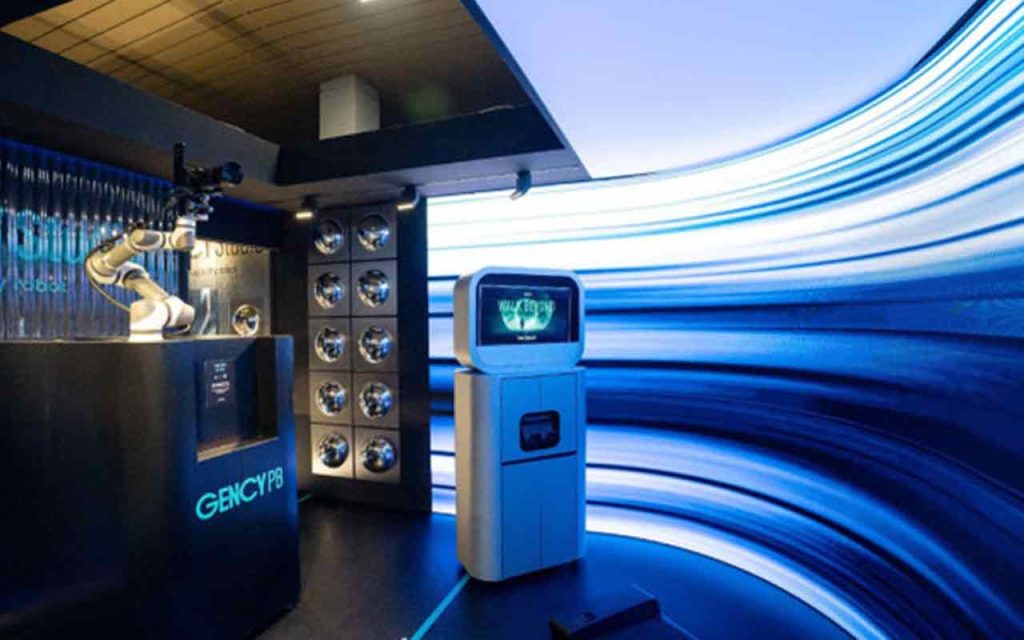
Studio Lab, a Korean startup joining the Seoul Integrated Pavilion, won the Best of Innovation Award in XR Spatial Computing for its integrated creative platform “Zency Studio.” The solution merges AI, robotics, and XR-based media art to create interactive physical spaces used for brand marketing, immersive showrooms, and creative studios—a concept reshaping offline retail engagement through experiential design.
Other Korean innovators were recognized for niche deep-tech contributions:
- MANGOSLAB developed a portable Braille label printer that links with mobile apps to produce high-quality tactile text.
- DummDumm Inc. integrated 5G and drone technology to enable real-time environmental monitoring, securing recognition in the Smart Community category.
Deep-Tech Recognition Reflects Korea’s Global Momentum
This year’s results demonstrate Korea’s accelerated transformation into a deep-tech powerhouse, bridging hardware excellence with AI-driven innovation. The Ministry of SMEs and Startups (MSS) has been instrumental in enabling this shift by fostering R&D-focused policies that help startups commercialize advanced technologies through its programs.
Korea’s growing presence at CES also reflects a broader ecosystem trend, a signal that startups are increasingly becoming key drivers of innovation, not just suppliers to large corporations. This decentralization of technological leadership signals a maturing ecosystem where startups can compete globally on creativity, precision, and scalability.
CES 2026: A Defining Moment for Korea’s Global Tech Identity
With CES 2026 set to host over 4,500 exhibitors in Las Vegas from January 6 to 9, the global spotlight on Korea’s deep-tech scene has never been stronger. Korean startups’ dominance in AI, autonomous driving, and XR is not only a mark of engineering progress but also an indicator of strategic policy success.
As global investors seek resilient innovation hubs, Korea’s balanced synergy between policy direction, startup capability, and global ambition continues to position it as a core player in the world’s next-generation technology ecosystem.
🤝 Looking to connect with verified Korean companies building globally?
Explore curated company profiles and request direct introductions through beSUCCESS Connect.
– Stay Ahead in Korea’s Startup Scene –
Get real-time insights, funding updates, and policy shifts shaping Korea’s innovation ecosystem.
➡️ Follow KoreaTechDesk on LinkedIn, X (Twitter), Threads, Bluesky, Telegram, Facebook, and WhatsApp Channel.