In an era when “AI innovation” is often reduced to marketing noise, Estonia-based ArbaLabs stands out for what it refuses to do: chase hype. The company, founded by cybersecurity and blockchain expert Ashley Reeves, builds systems that prove whether artificial intelligence works as claimed—particularly when it operates offline.
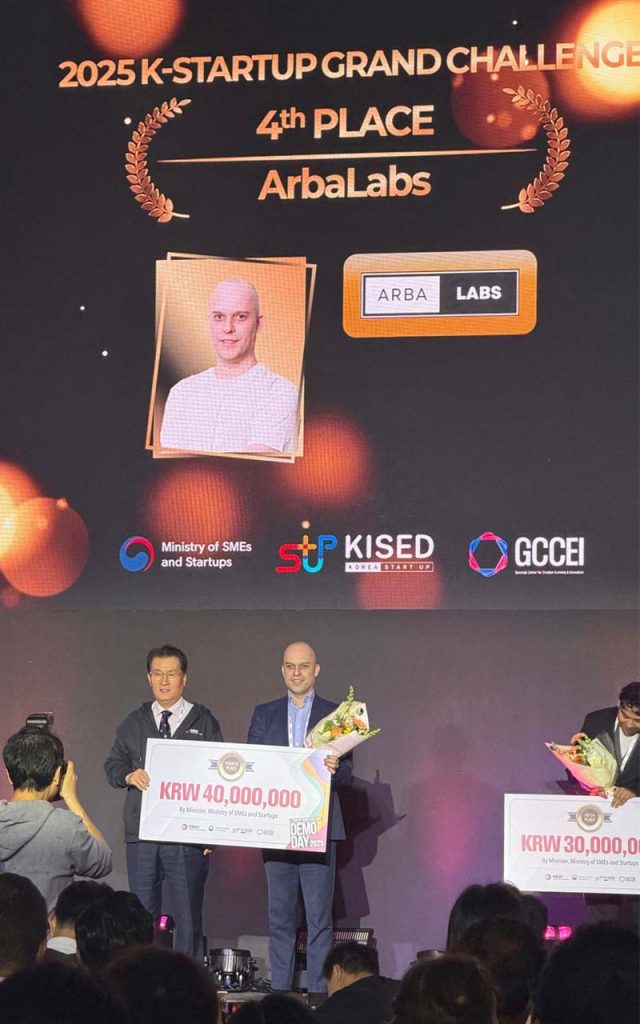
Graduating fourth place at the 2025 K-Startup Grand Challenge (KSGC), South Korea’s flagship government accelerator, ArbaLabs entered one of Asia’s most demanding markets for technical credibility. And what the company found was not just an opportunity, but a culture that insists on proof. That distinction shaped everything ArbaLabs has done since its arrival.
In this exclusive interview with KoreaTechDesk, founder and CEO Ashley Reeves shares how operating inside Korea’s tightly engineered ecosystem reshaped ArbaLabs’ approach to AI trust, precision, and global readiness. His reflections reveal insights that are critical, especially for global founders looking to enter South Korea, a market where rigorous validation matters more than speed.
“If you come prepared to build something real, Korea is an incredible place to do it.”
– Ashley Reeves, Founder and CEO, ArbaLabs.

ArbaLabs Founder Ashley Reeves: “Korea Doesn’t Reward Hype—It Rewards Systems That Work”
Q: After spending time building in Korea, what parts of the ecosystem only became clear once ArbaLabs moved beyond introductions and into the actual day-to-day work?
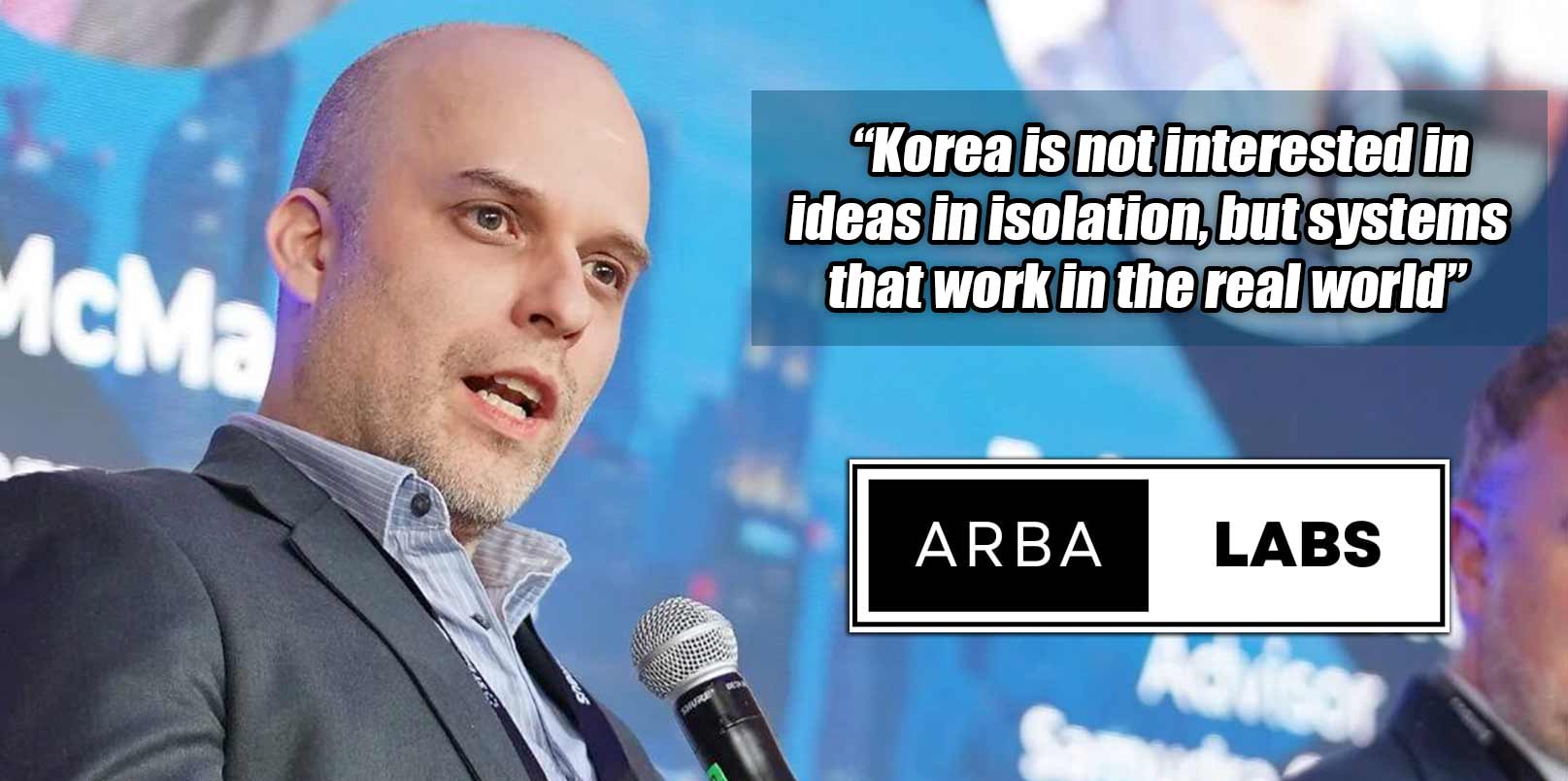
What became clear very quickly is that Korea is not interested in ideas in isolation — it is interested in systems that work in the real world.
Once we moved beyond introductions and into day-to-day work, the conversations shifted from vision to reality: how something is built, how it survives outside the lab, and how it behaves when connectivity is limited or conditions are imperfect.
That was important for us, because ArbaLabs is not building consumer AI or cloud software, we’re building a decentralized, offline AI infrastructure layer that has to operate reliably at the edge.
Korea is one of the few ecosystems where that kind of thinking is natural. People here intuitively understand hardware constraints, deployment environments, and the difference between something that demos well and something that actually holds up in the field.
Precision as a Market Signal for ArbaLabs
Q: Korean partners are often very specific about technical and process expectations. How did that shape where ArbaLabs chose to focus its time and attention in Korea compared to other markets?
It reinforced our core focus rather than changing it.
AI is moving fast, but most of the attention is still on centralized systems — large models, constant connectivity, and trust being outsourced to the cloud. The reality is that a growing number of AI use cases don’t work that way. They operate offline, in constrained environments, and in places where trust cannot be assumed.
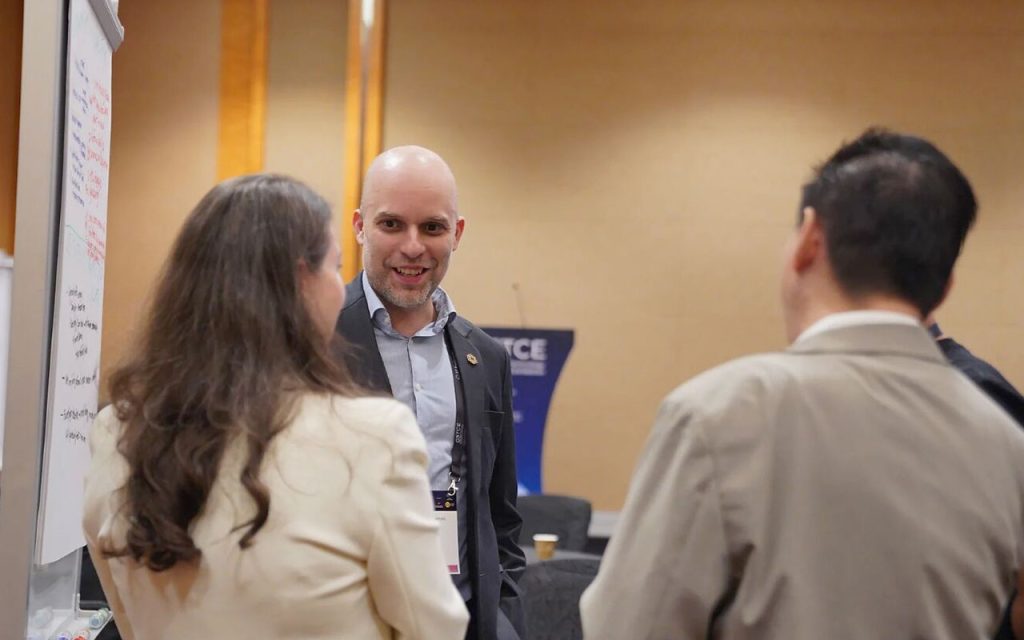
Korea’s specificity helped us sharpen how we present this problem. Instead of talking about AI in abstract terms, we focus on building what is effectively a secure, decentralized AI “black box”, something that secures models locally, offline, and can still provide assurances that what happened on the device is authentic and untampered.
That mindset fits Korea extremely well, especially when you’re thinking about manufacturing, validation, and long-term deployment rather than short-term experimentation.
Ashley Reeves on Founder Discipline and Decision Velocity
Q: Did working in Korea change how quickly you needed to make certain founder-level decisions? And how did you decide what needed to be settled early, versus what could stay flexible?
Yes, Korea forces you to be honest with yourself as a founder.
It validated what ArbaLabs is and what it is not. We are not building another AI platform or analytics tool. We are building an infrastructure layer that sits underneath AI systems, at a hardware level especially where connectivity and trust are limited.
Once that was clear, many other decisions became easier. What we kept flexible were specific deployments and verticals. What we locked down early was the core architecture mindset: decentralized, offline-capable, and manufacturable.
ArbaLabs is Building for the Long Term, Not the Demo
Q: Korea’s startup environment is closely connected to large companies, institutions, and public organizations. How did that affect how ArbaLabs presented and positioned itself as a young, foreign deep tech company?
It pushed us to think long-term from day one.
In Korea, you can’t position yourself purely as an experiment. Institutions and large organizations want to know whether what you’re building can exist five or ten years from now. That suited us, because ArbaLabs is intentionally infrastructure-focused.
We positioned ourselves as a company building something foundational, not a feature, not a dashboard, but a layer that other systems can rely on when AI moves out of the cloud and into the physical world.
That positioning became much stronger through our participation in the K-Startup Grand Challenge, where we placed in the top five and finished fourth overall. The program forced us to prove that our thinking wasn’t just theoretical, but grounded enough to stand up to real scrutiny.
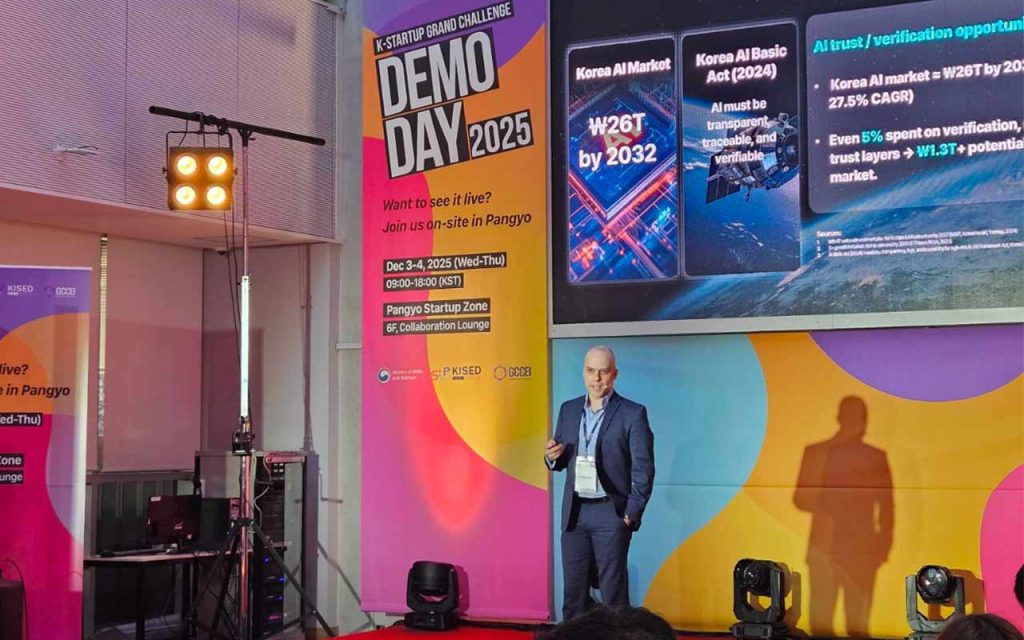
ArbaLabs in South Korea: Trust Beyond Technology
Q: Were there situations in Korea where strong technical capability alone wasn’t enough to move conversations forward? And what helped build confidence beyond the technology itself?
Almost all the time.
In edge and infrastructure-level AI, technical capability is largely assumed. What really determines whether conversations move forward is whether people believe you understand the consequences of deployment, failure modes, misuse, and long-term responsibility once AI systems leave the cloud and operate autonomously.
What built confidence for us was consistency. We showed that we weren’t chasing short-term AI trends, but responding to a structural shift: AI moving into offline, decentralized environments where connectivity, oversight, and trust can no longer be taken for granted. This becomes especially important as edge AI in regulated industries is only just beginning to scale.
With both the EU AI Act (2024) and Korea’s AI Act (2025), introducing regulatory frameworks that place increased emphasis on traceability, accountability, and verifiable behavior, secure AI validation is no longer optional — it’s foundational.
Building this layer properly takes longer, but that discipline is exactly what gives our work relevance as regulation and real-world deployment begin to converge.
When Founder Presence Still Matters
Q: During ArbaLabs’ early phase in Korea, when did your direct involvement as a founder matter most, and when did you see progress continue without you needing to be constantly present?
My involvement mattered most when we were shaping shared understanding, not just explaining what we are building, but why this problem now matters. As AI moves out of the cloud and into offline, decentralized environments, the stakes around trust, responsibility, and validation change. Making that shift clear early was critical.
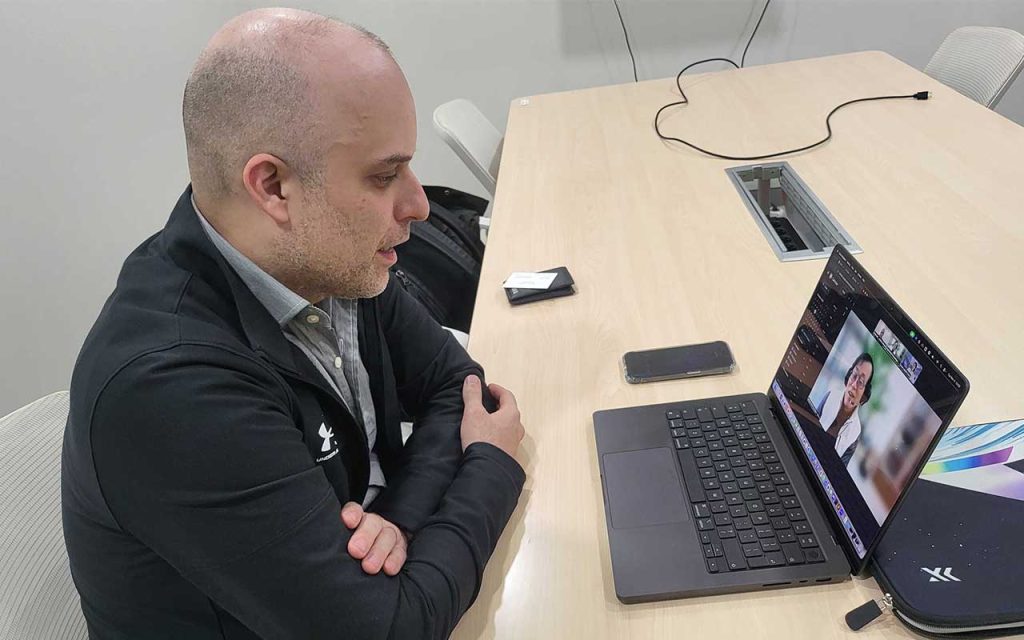
As that narrative settled, my role evolved rather than diminished. Instead of constantly re-explaining the vision, I was able to focus on guiding direction, pressure-testing assumptions, and ensuring we stayed aligned with the long-term purpose of ArbaLabs.
That was a positive signal, not that the founder was no longer needed, but that the idea itself had become coherent and credible enough to support deeper execution.
Choosing Focus Over Distraction
Q: Once conversations start, Korea can open up many possible directions. How do you decide which opportunities are worth exploring further at an early stage, and which ones you choose to pause for now?
We’re very disciplined about this.
Our filter is simple: does this opportunity strengthen our core role as an offline AI integrity layer, or does it pull us into becoming a solution provider for someone else’s problem?
Korea offers many exciting paths, but not all of them help us build the decentralized infrastructure we’re focused on. Some conversations are worth pausing, not because they aren’t interesting, but because timing matters.
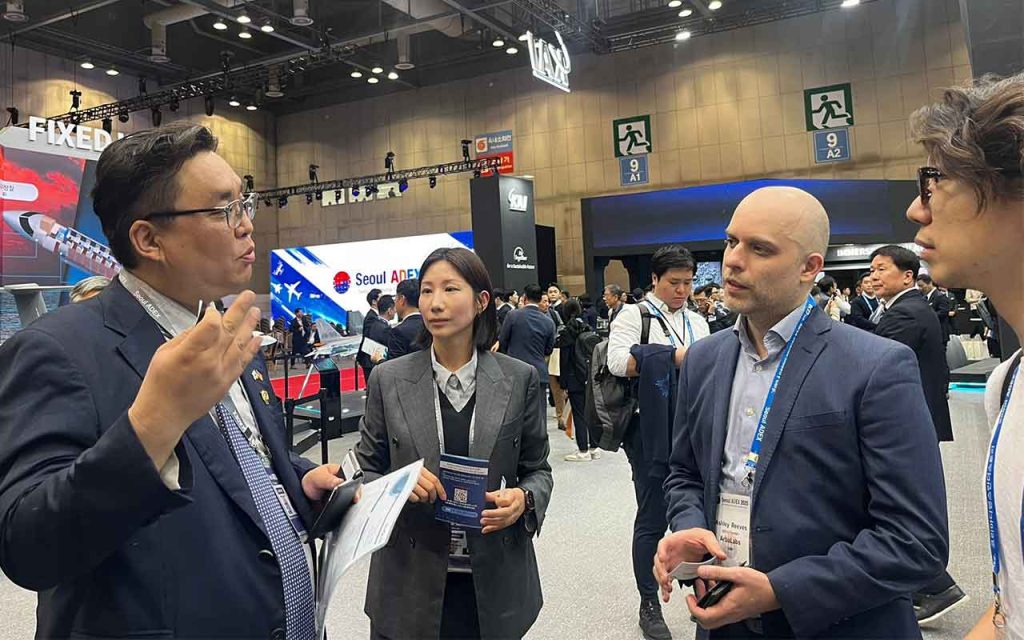
Ashley Reeves on Asia VS Europe: Precision VS Scale
Q: Has the experience of building in Korea changed how ArbaLabs thinks about approaching other markets, even when those markets work very differently?
Yes. It reinforced a belief we already had.
Asia, and Korea in particular, is where complex, reliable infrastructure should be built and validated. Europe is where those systems are integrated, regulated, and adopted at scale. The two complement each other extremely well.
Building in Korea has made us more confident that we’re structuring ArbaLabs in the right order.
Seriousness, Not Speed
Q: Looking back, what do you think founders most often misunderstand when they believe they are ready to build in Korea?
Many founders think readiness is about speed. In reality, it’s about seriousness.
Korea is very open, but it expects commitment, especially when you’re building things that sit at the intersection of AI, hardware, and trust. If you come prepared to build something real, Korea is an incredible place to do it.
ArbaLabs Insights on Korea’s Startup Frameworks and Information Ecosystem
Reflecting on Korea’s innovation infrastructure, Reeves describes its government programs as “among the most serious and execution-oriented globally.”
He credits the K-Startup Grand Challenge for giving deep tech founders structure, access, and legitimacy that extend beyond networking. Visa support, incorporation guidance, and partner introductions removed much of the friction that foreign startups often face when entering new markets.
However, he notes that programs could evolve further to accommodate longer R&D cycles typical of hardware-intensive deep tech ventures,
“Deeptech hardware and infrastructure startups operate on longer validation timelines than typical SaaS. More flexibility or extended pilot phases would help.”
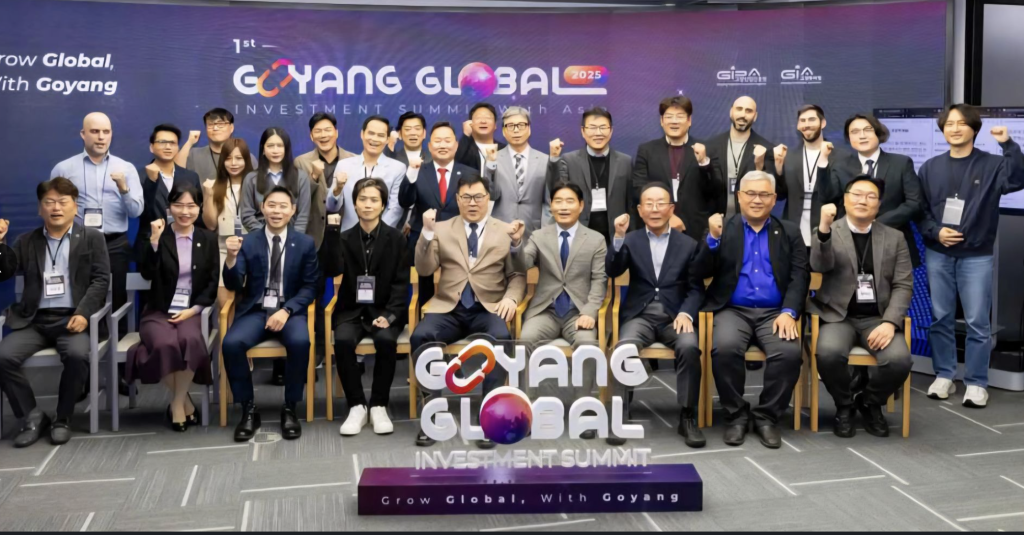
Reeves also emphasized the importance of credible information sources when navigating new ecosystems. He discovered KoreaTechDesk early in his research and found it particularly useful for its clarity and practicality.
“As a foreign founder, we found KoreaTechDesk useful as a straightforward source of ecosystem news and policy context. The coverage went beyond hype—it actually spoke to deeptech and infrastructure-focused companies like ours.”
He adds that the platform’s curated insights helped ArbaLabs understand how Korea’s innovation system functions—something not always easy to decode from the outside.
“KoreaTechDesk has been a reliable reference point for staying informed as we evaluated and entered the Korean market.”
What ArbaLabs’ Journey Reveals About Korea’s Deep Tech Moment
ArbaLabs’ experience reflects exactly the quiet discipline that Korea expects from global founders. Building in South Korea isn’t about being fast or loud — it’s about proving that your technology can endure long after the hype fades.
For deep tech startups, that demand is never a barrier. Instead, it is an advantage.
In Korea’s collaborative ecosystem, engineers, corporates, and ministries move in sync, rewarding precision, evidence, and long-term value. Programs like K-Startup Grand Challenge extend this culture outward, giving international founders a structured path to meet Korea’s standard for credibility.
So ArbaLabs’ story captures that translation vividly. A European-born idea evolved under Korean rigor, where credibility isn’t pitched but proven through performance. In one of Asia’s most exacting markets, that rigor acts as a filter: it tests ambition, sharpens focus, and shapes technologies meant to last.
And ultimately, for global innovators considering South Korea, ArbaLabs’ journey offers a crucial lesson — Korea doesn’t reward noise; it rewards systems that actually work.
– Stay Ahead in Korea’s Startup Scene –
Get real-time insights, funding updates, and policy shifts shaping Korea’s innovation ecosystem.
➡️ Follow KoreaTechDesk on LinkedIn, X (Twitter), Threads, Bluesky, Telegram, Facebook, and WhatsApp Channel.
🤝 Looking to connect with verified Korean companies building globally?
Explore curated company profiles and request direct introductions through beSUCCESS Connect.