Artificial intelligence is rapidly becoming one of the most heavily promoted technologies in healthcare diagnostics. AI-powered biosensors, automated interpretation systems, and machine-learning-assisted point-of-care platforms are now appearing across hospitals, startups, and decentralized healthcare models worldwide. However, behind the growing excitement, many diagnostics experts argue the industry still faces a quieter problem that AI alone cannot solve: unstable measurement systems and unreliable real-world data.
AI Diagnostics Are Expanding Faster Than the Systems Beneath Them
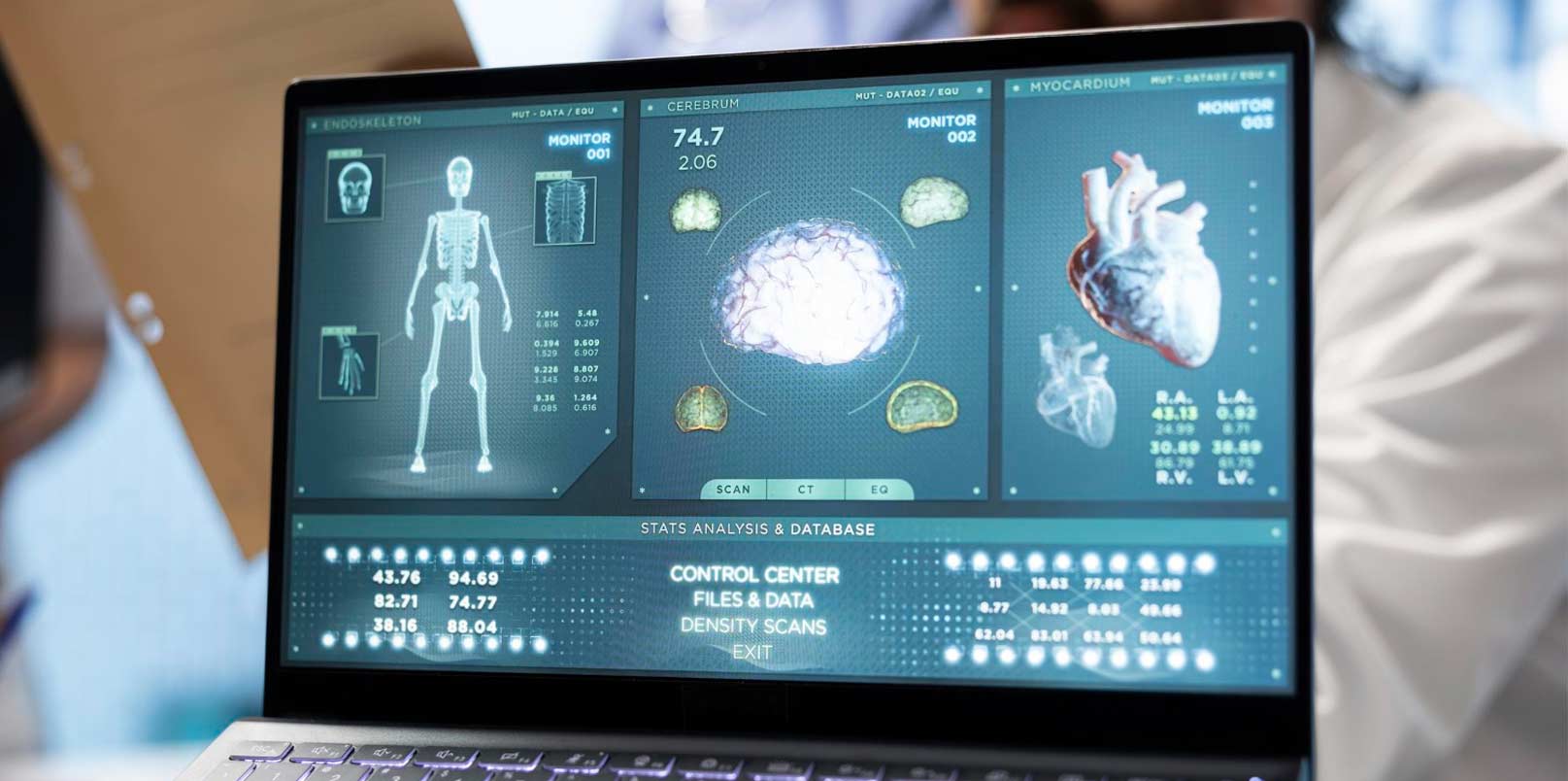
Artificial intelligence is increasingly being integrated into medical devices, imaging systems, biosensors, and point-of-care diagnostic platforms. The U.S. Food and Drug Administration (FDA) now maintains a growing list of AI-enabled medical devices that have completed regulatory review processes for safety and effectiveness.
At the same time, regulators are also acknowledging that AI medical systems introduce new operational risks after deployment. In January 2025, the FDA requested public feedback on how AI-enabled medical devices should be evaluated in real-world clinical settings, including issues involving performance drift, workflow changes, user interaction, and reliability over time.
Hyou-Arm Joung, CTO and Co-Founder of Kompass Diagnostics told KoreaTechDesk as discussion on the growing gap between AI hype and real-world diagnostic reliability continues,
“AI only becomes truly valuable when the underlying measurement system produces highly structured, consistent, and well-correlated data,”
Joung’s experience includes AI-driven biosensor research at UCLA involving point-of-care diagnostic platforms, multiplex biomarker detection systems, and deep-learning-assisted sensing technologies. His perspective reflects a growing concern inside healthcare deep-tech commercialization: AI performance depends heavily on the stability of the physical diagnostic system generating the data.

The Biggest AI Problem in Diagnostics May Begin Before the Algorithm
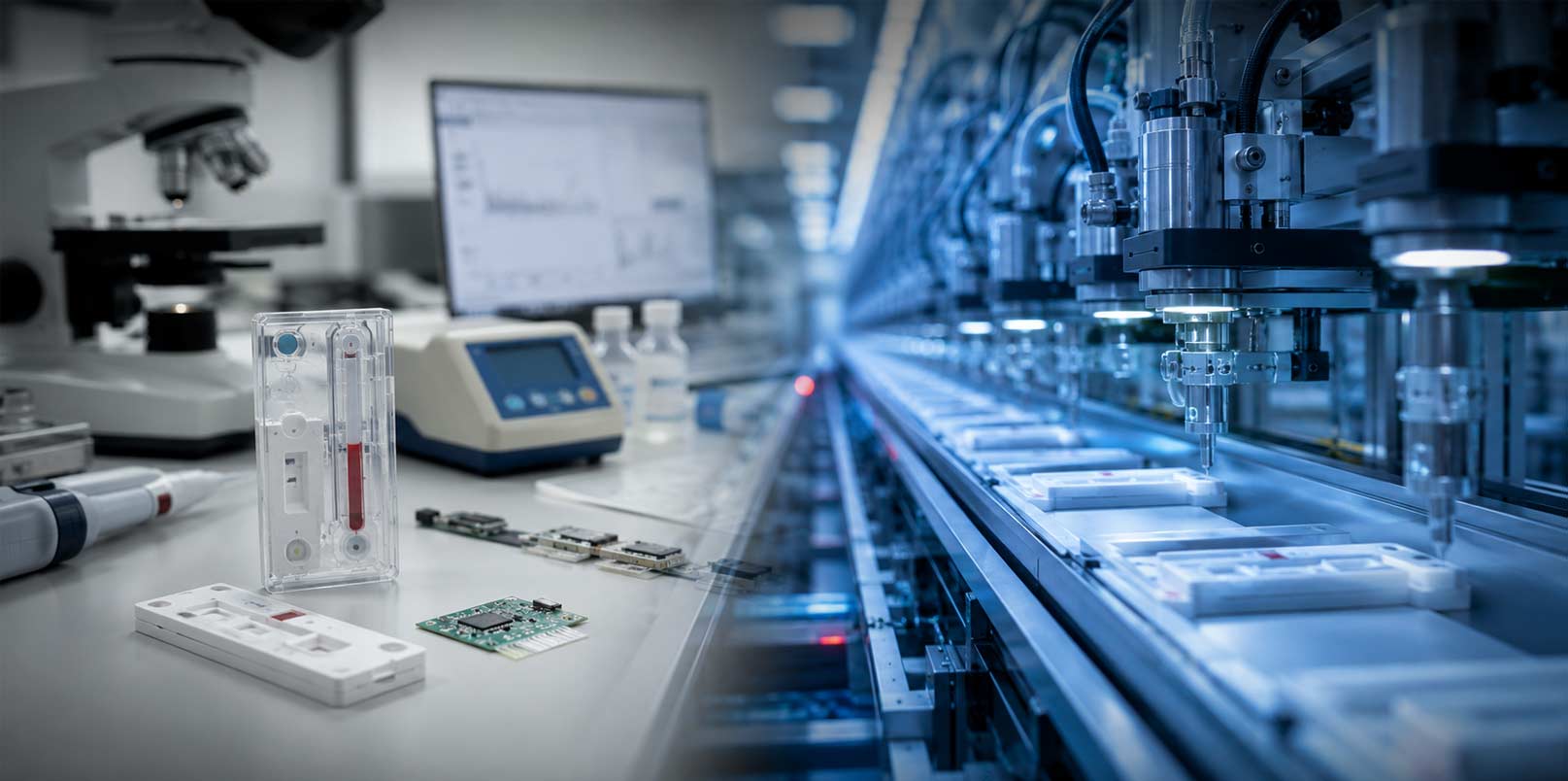
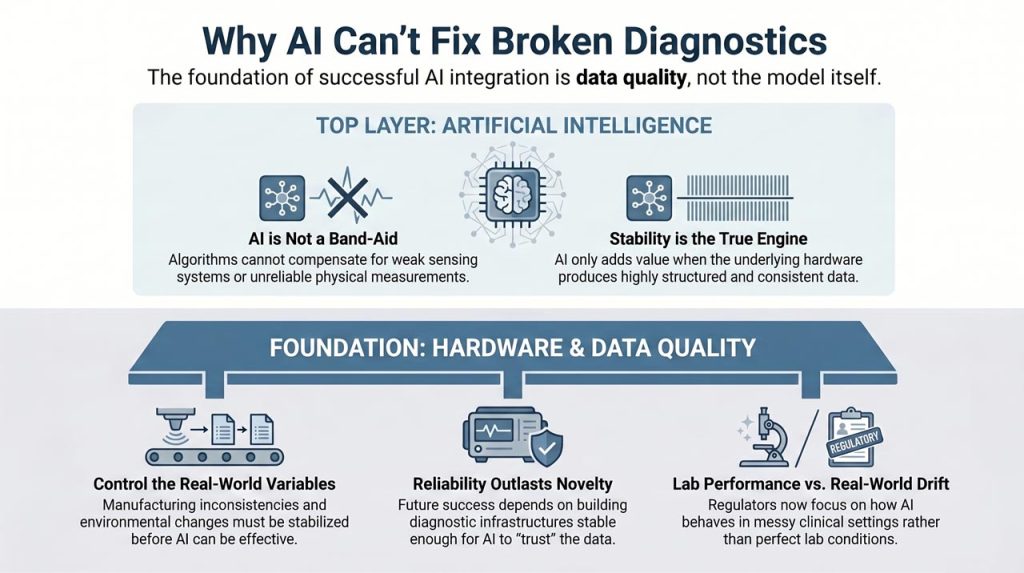
Healthcare AI discussions often focus on model architecture, computational performance, or generative AI capabilities. However, diagnostic systems operate differently from many purely digital software environments because the underlying data is physically generated through biological samples, fluidics, chemistry, optics, electronics, and sensor behavior.
“The foundation of successful AI integration is not the model itself, but the quality and controllability of the training data,”
Joung explained.
He said real-world diagnostic systems introduce many uncontrolled variables simultaneously, including sample variability, environmental conditions, manufacturing inconsistencies, sensor instability, and differences in user handling.
“When these factors are not sufficiently controlled, the resulting datasets contain large amounts of variability and outliers, which can significantly reduce model robustness and generalizability.”
The FDA has similarly acknowledged that AI-enabled medical devices create unique regulatory challenges because many systems evolve through data-driven learning processes. Regulators are increasingly examining how AI systems behave after deployment under changing real-world conditions rather than evaluating performance only during early development stages.
This issue is becoming particularly important as healthcare providers push diagnostics into decentralized environments such as clinics, pharmacies, and homes, where environmental and operational consistency becomes harder to maintain.
Why AI Cannot Automatically Rescue Weak Diagnostic Platforms
The rapid growth of healthcare AI has created a common assumption that algorithms can compensate for weaknesses in sensing systems or diagnostic workflows. Joung believes that assumption often overestimates what AI can realistically achieve.
“AI creates measurable value when it is used on top of a mature and systemically controlled diagnostic platform,”
he said.
In those situations, AI can improve signal interpretation, identify subtle analytical patterns, automate quantification, and help compensate for small variations inside already stable systems.
Research published in Nature Communications this year described how machine learning is increasingly being embedded into point-of-care testing systems, including lateral flow assays, nucleic acid amplification tests, and imaging-based diagnostics. However, researchers also noted that reliability, regulatory validation, and real-world integration remain major barriers for large-scale clinical adoption.
Joung believes the problem becomes much harder when the underlying sensing platform itself lacks reproducibility.
“When the underlying sensing system itself is not yet sufficiently standardized or reproducible, AI can sometimes introduce additional complexity without meaningfully improving real-world outcomes.”
That additional complexity can appear across multiple layers simultaneously, including validation requirements, regulatory oversight, post-market monitoring, model retraining, and quality-control management.
In healthcare diagnostics, inaccurate or unstable measurements do not simply create technical inconvenience. They can directly affect medical interpretation and patient decision-making.
AI Diagnostics Are Increasingly Becoming a Regulatory Infrastructure Issue
The growing role of AI in healthcare is also reshaping regulatory systems globally.
In 2025, the International Medical Device Regulators Forum (IMDRF), whose members include the FDA and South Korea’s Ministry of Food and Drug Safety (MFDS), finalized updated Good Machine Learning Practice principles for medical-device development. The framework emphasized lifecycle monitoring, data quality, validation controls, and system reliability throughout deployment.
South Korea has also continued expanding its own AI healthcare governance framework. In May 2025, the MFDS updated its guidance on approval and clinical-trial design for AI-applied digital medical devices. Earlier this year, the ministry additionally released what it described as the world’s first approval-review guideline specifically targeting generative AI medical devices.
Yet despite accelerating regulatory activity, researchers continue warning that AI medical systems still face unresolved challenges involving reliability, explainability, clinical validation, and real-world deployment.
A 2025 editorial published in the Korean Journal of Radiology noted that while Korea’s guidance frameworks represent meaningful progress, broader generalist medical AI systems may still exceed the boundaries of traditional medical-device evaluation structures.
For healthcare startups, this creates a difficult balancing act. AI innovation is moving rapidly, but healthcare deployment still depends on trust, reproducibility, and controllable performance under clinical conditions.
The Next Competitive Advantage May Depend on Better Data, Not Bigger Models
The healthcare industry is unlikely to slow its investment in AI diagnostics. AI-assisted biosensors, decentralized testing systems, and automated clinical-analysis platforms are continuing to attract strong attention from startups, investors, and regulators globally.
However, Joung believes long-term success will depend less on adding AI onto unstable systems and more on building mature diagnostic infrastructures capable of producing reliable data consistently.
“I see successful AI integration as something that should evolve together with automation, manufacturing maturity, and system-level process control rather than as a standalone solution applied on top of unstable systems.”
That perspective may become increasingly important as healthcare AI moves beyond early demonstrations and into large-scale clinical deployment.
The Hardest Problem in AI Diagnostics May Still Be Reliability
The diagnostics industry has already demonstrated that AI can assist interpretation, automate analysis, and improve certain forms of signal detection. Yet the healthcare sector may now be approaching a more difficult stage where long-term reliability matters more than technical novelty alone.
For startups, investors, and healthcare systems, the next challenge may not simply involve building smarter algorithms. It may involve building diagnostic platforms stable enough for AI to trust the data they produce.
As AI diagnostics continue expanding globally, the systems generating the measurements may ultimately matter just as much as the models interpreting them.
Key Takeaways
- AI diagnostics depend heavily on the quality and stability of the underlying sensing system, not only on algorithm performance.
- According to Hyou-Arm Joung, AI becomes valuable only when diagnostic platforms generate structured, consistent, and controllable data.
- Real-world diagnostic environments introduce uncontrolled variables including sample variability, environmental conditions, manufacturing inconsistency, and sensor instability.
- FDA and international regulators are increasingly focusing on real-world AI medical-device reliability, lifecycle monitoring, and performance drift after deployment.
- Research in point-of-care diagnostics continues showing that AI-assisted biosensors still face major challenges involving validation, reproducibility, and clinical integration.
- South Korea’s MFDS has expanded AI medical-device guidance and clinical-trial frameworks as healthcare AI governance becomes more complex globally.
- Joung argues that AI integration should evolve alongside automation, manufacturing maturity, and system-level process control rather than acting as a standalone correction layer for unstable systems.
🤝 Looking to connect with verified Korean companies building globally?
Explore curated company profiles and request direct introductions through beSUCCESS Connect.
– Stay Ahead in Korea’s Startup Scene –
Get real-time insights, funding updates, and policy shifts shaping Korea’s innovation ecosystem.
➡️ Follow KoreaTechDesk on LinkedIn, X (Twitter), Threads, Bluesky, Telegram, Facebook, and WhatsApp Channel.