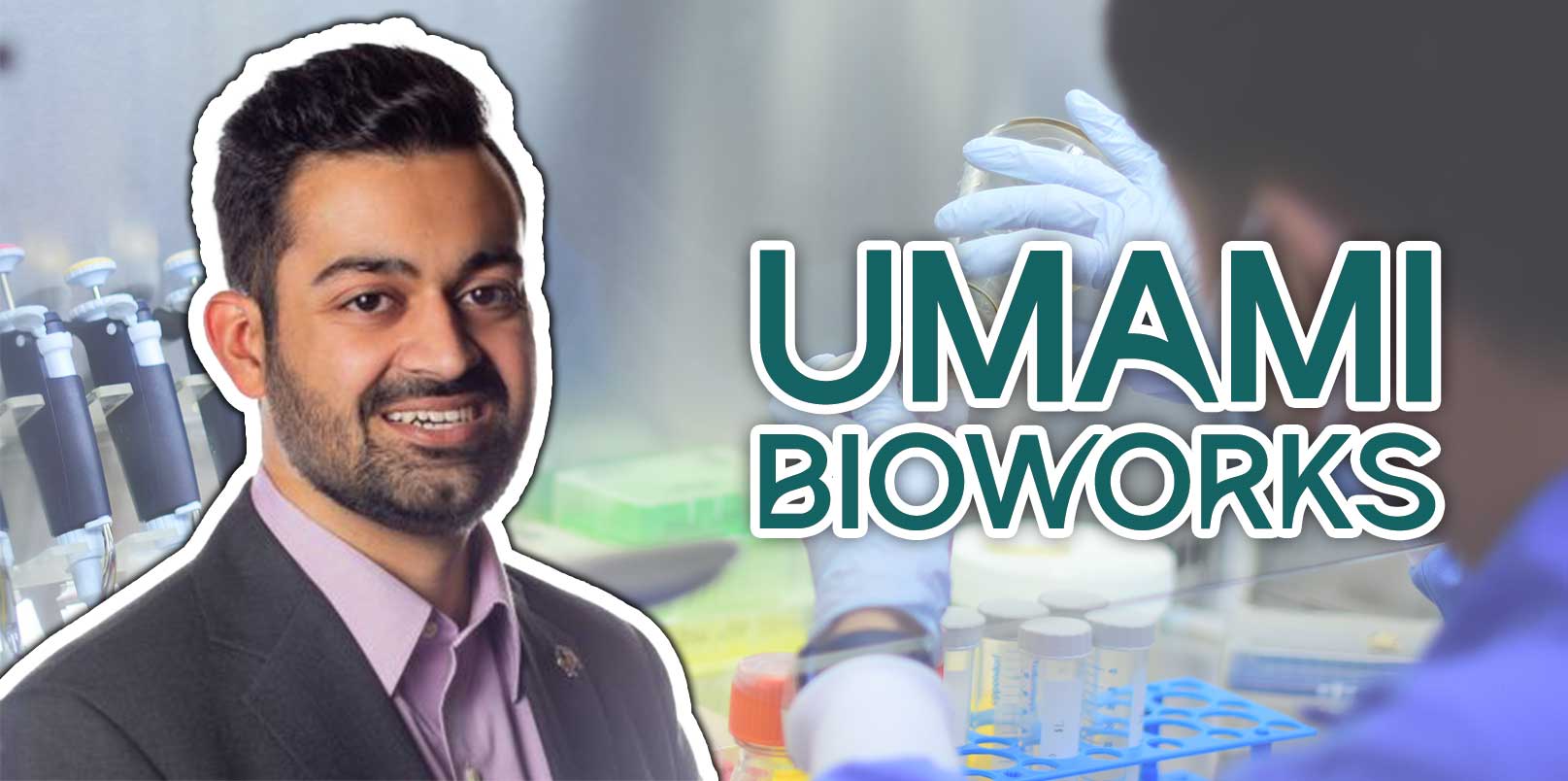
Seafood has always been part of human identity — a symbol of heritage, nourishment, and connection to the ocean. But in today’s overfished world, the very species that define Asia’s coastal traditions are disappearing. Umami Bioworks, a Singapore-based cultivated seafood pioneer founded by Mihir Pershad, envisions a radically different path: one where ocean abundance is created, not extracted.
In this exclusive KoreaTechDesk interview, Pershad shares the company’s growth as they advanced to the top 40 of K-Startup Grand Challenge 2025 and how they are engineering a new foundation for the Blue Economy — uniting biotechnology, sustainability, and culture to secure the seafood traditions of tomorrow.
“Participation in KSGC gave Umami Bioworks immediate credibility and access, which translated into measurable business traction within weeks. The program helped us create the foundation for lasting relationships across Korea’s marine bioactives and cultivated seafood ecosystem.”
Building a New Foundation for the World’s Seafood System with Umami Bioworks
Q1. What motivated you to start this company, and what core problem were you trying to solve?
I founded Umami Bioworks after recognizing a fracture forming in the foundation of the global seafood system, a quiet crisis growing in plain sight.
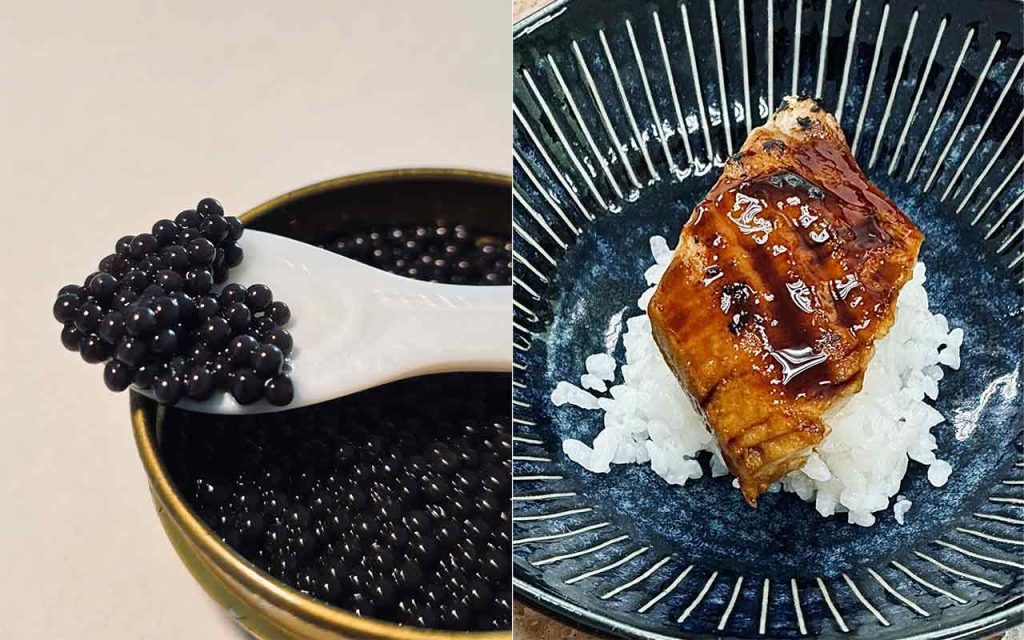
Across Asia, demand for culturally important species such as eel, grouper, and snapper continues to rise. Yet these are the very fish that aquaculture struggles to farm and wild fisheries can no longer supply without driving ecosystems toward collapse.
It became clear that the world lacked a scalable and sustainable way to produce the fish most essential to Asian communities and coastal food security. It exposed a stark truth that there was no long-term supply chain for the species people depended on most.
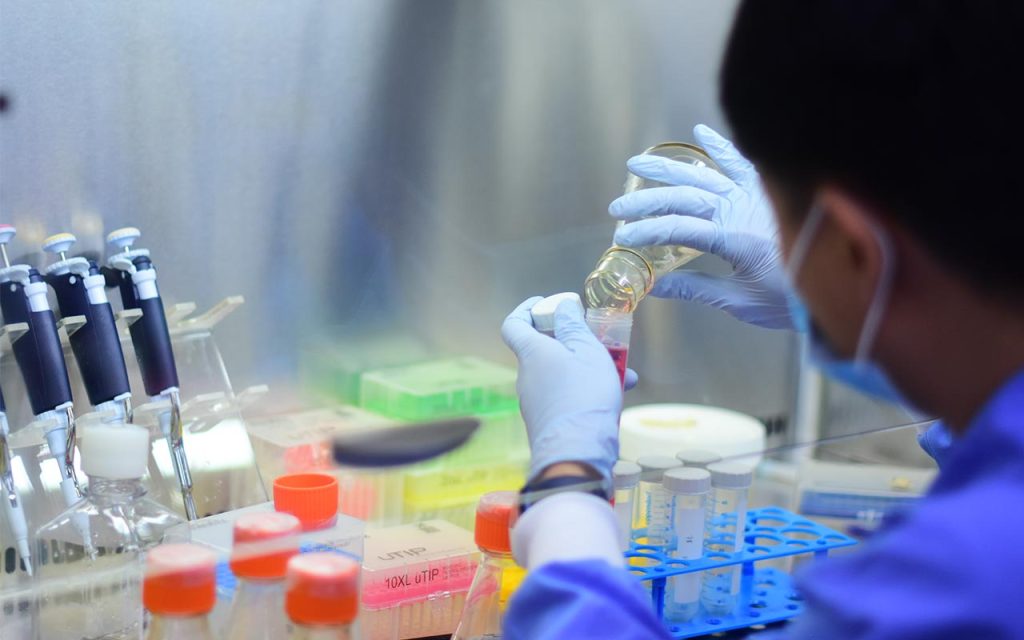
And so I chose a different path. Instead of replicating mammalian cultivated meat models, I build a platform engineered specifically for finfish biology, featuring continuous cell lines, serum-free media, and bioprocesses designed to reach true commercial scale.
Umami Bioworks exists to relieve the pressure on our oceans and to ensure that the seafood traditions that define families and cultures can endure for generations to come. This is the challenge we accepted—and the future we are determined to build.
Korea’s Convergence of Beauty, Bioactives, and Blue Innovation
Q2. What opportunity or unmet need did you identify in the Korean market, and what early signals convinced you that your solution could gain real traction here?
Korea presented a uniquely powerful opportunity at the intersection of marine bioactives, cosmetics, and premium seafood. It is home to one of the world’s most advanced beauty and skincare industries, yet much of its marine collagen, PDRN, and other ocean-derived ingredients are imported—often from unsustainable or untraceable sources.
Our ability to produce these bioactives directly from stable finfish cell lines introduced something entirely new to the market: a clean, reliable, and future-proof source of high-value marine ingredients. This aligned naturally with Korea’s high seafood consumption and heavy reliance on imports for species that are difficult to farm, making it an ideal ecosystem for our cultivated seafood platform.
We also entered the market with an advantage—existing relationships with Korean investors, which gave us early trust and market insight. The moment we began exploring partnerships, traction came quickly. Cosmetic OEM and ODM manufacturers, major retailers, and F&B groups reached out to learn more about our technologies, while leading Korean venture capital firms initiated discussions with us directly.
These early signals made one thing unmistakably clear: Korea was ready for a science-driven, next-generation partner in sustainable marine bioactives and cultivated seafood—and Umami Bioworks was built precisely to fill that role.
The Power of Local Presence and Partnership at KSGC 2025
Q3. During KSGC, were there any mentors, partners, or specific insights that significantly influenced your product or strategy?
While KSGC did not fundamentally alter our technology or long-term roadmap—both of which were already defined through prior investment rounds and technical milestones—it revealed one critical insight: the absolute importance of local correspondence and real-time, on-the-ground Korean engagement.
Although we already had strong Korean investors and prior exposure to the market, the program made it clear that success in Korea depends on having local expertise embedded within daily operations. Mentors and partners repeatedly emphasized that momentum in Korea accelerates when there is a trusted local presence who can navigate cultural nuances, communication styles, procurement systems, and regulatory processes that don’t always translate from abroad.
This perspective reshaped how we think about execution. Rather than relying on periodic travel or remote coordination, we are now prioritizing a consistent and locally anchored presence to manage relationships with corporates, OEM/ODM manufacturers, and government agencies.
It clarified a simple but strategic truth: in Korea, execution quality scales directly with local correspondence—and embedding that capacity within our operating model is essential to our long-term success.
KSGC 2025 for Umami Biowords: Accelerating Trust and Market Access
Q4. After joining KSGC, what has been the most meaningful change for your company and what evidence supports this growth?
Participation in the K-Startup Grand Challenge program gave Umami Bioworks immediate credibility and access, which translated into measurable business traction within weeks. We secured meetings with top-tier OEM and ODM cosmetic manufacturers—companies that typically require months of prequalification—and several requested material samples after the very first discussion.
At the same time, major seafood and F&B groups, which had previously engaged cautiously, began exploring structured partnership pathways with defined timelines. Even government-affiliated agencies and research institutes, which had been historically slow to respond, became more proactive once they recognized the credibility of KSGC’s endorsement.
In practical terms, the program shortened our business development cycle in Korea by several months, allowing us to move from initial introductions to technical discussions and next-step planning far more efficiently. More importantly, KSGC helped us establish a level of trust and responsiveness that is difficult to achieve through remote engagement alone—creating the foundation for lasting relationships across Korea’s marine bioactives and cultivated seafood ecosystem.
From Extraction to Creation: Redefining Humanity’s Relationship with the Ocean
Q5. Looking ahead, what is the most important vision or long-term goal your company aims to achieve, and what steps are you taking to move toward it?
As we look toward the years ahead, we see a world standing at the threshold of a new relationship with the ocean.
For generations, humans have relied on marine resources for sustenance and survival. Now, the time has come to move from extraction to creation—to build a future where the ocean is not depleted, but renewed through innovation.
At Umami Bioworks, our vision is to help lead this transformation and to prove that the Blue Economy can be abundant, sustainable, and deeply human in its impact. While cultivated seafood remains one of our core pillars, our mission now extends further into the field of marine bioactives—ocean-inspired and ocean-derived molecules that are shaping the next generation of nutrition, beauty, and wellness.
Their growing prominence reflects a powerful truth. Consumers are turning to the ocean for nourishment and renewal, yet they increasingly demand solutions that protect the ecosystems that sustain us.
To meet this future, we are strengthening our scientific foundations, advancing our platforms, and forging global alliances across cosmetics, aquaculture, seafood, and other ocean-aligned industries.
We call upon partners around the world to join us in this shared vision—to build a marine economy that uplifts both people and the planet.
From Singapore’s innovation labs to Korea’s emerging blue biotechnology ecosystem, Umami Bioworks is showing what a future of regenerative ocean commerce looks like.
The company’s journey through K-Startup Grand Challenge 2025 is no longer just a business milestone but a cultural and ecological redefinition of how humanity produces, values, and preserves the food of the sea.
About This Series
This article is part of the “K-Startup Grand Challenge 2025 Interview Series,” featuring 40 global startups from Phase 2 of Korea’s leading accelerator program. The series highlights how international founders are scaling innovation through Korea’s startup ecosystem.
Read more stories from the K-Startup Grand Challenge 2025 Interview Series on KoreaTechDesk.
– Stay Ahead in Korea’s Startup Scene –
Get real-time insights, funding updates, and policy shifts shaping Korea’s innovation ecosystem.
➡️ Follow KoreaTechDesk on LinkedIn, X (Twitter), Threads, Bluesky, Telegram, Facebook, and WhatsApp Channel.
🤝 Looking to connect with verified Korean companies building globally?
Explore curated company profiles and request direct introductions through beSUCCESS Connect.