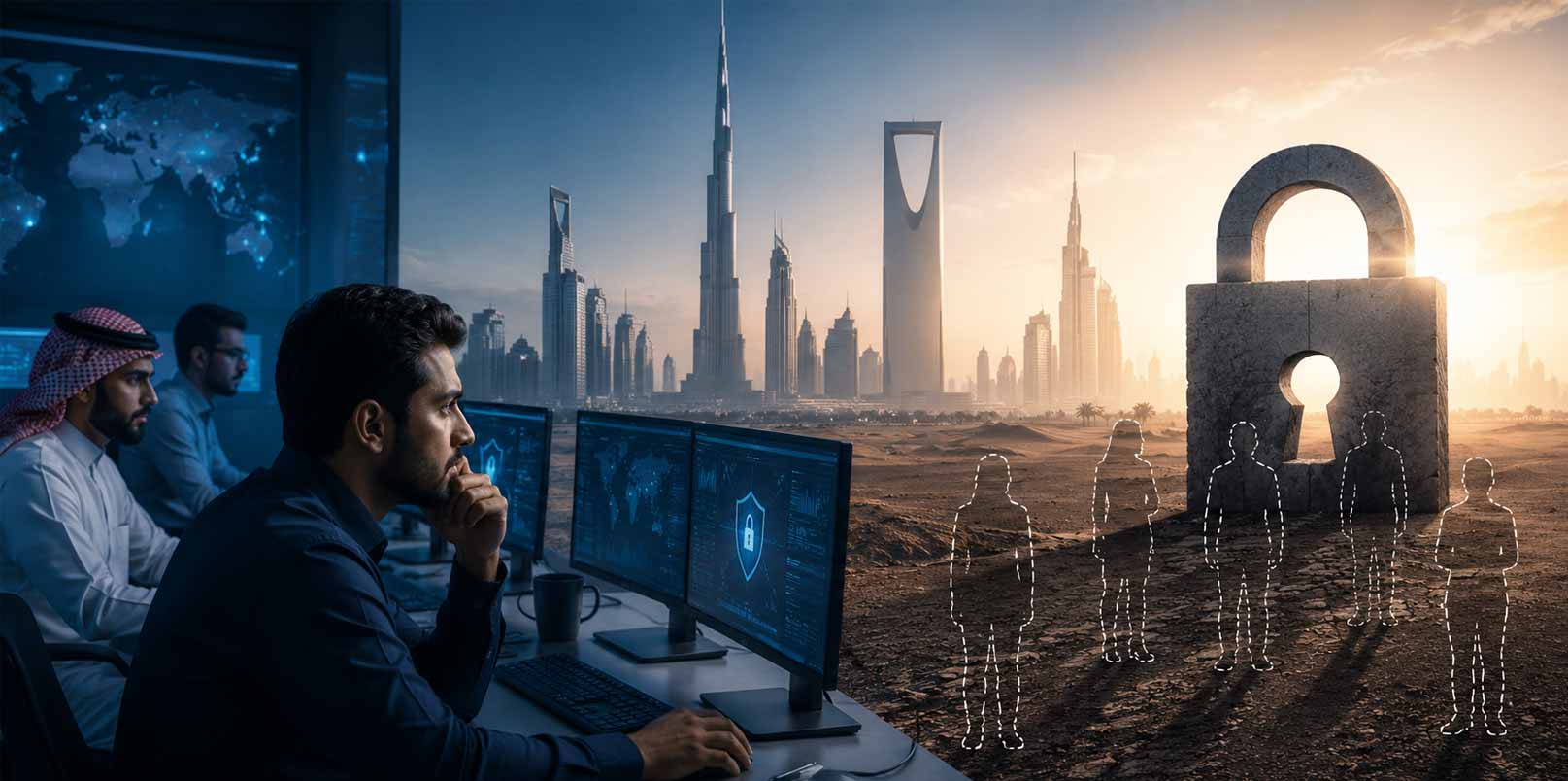

The Middle East has become one of the world’s most active cybersecurity investment regions, drawing growing attention from Korean startups eager to expand beyond domestic markets. Yet many of those conversations stall long before deployment. The gap is no longer about product quality alone. Procurement systems, compliance structures, and trust expectations inside the Gulf are quietly reshaping how foreign cybersecurity vendors are evaluated.
Saudi Arabia and the GCC Are Creating Real Demand for Cybersecurity Expansion
The opportunity in Saudi Arabia is never an imagination, especially for Korean cybersecurity companies. Saudi Arabia’s cybersecurity market reached SAR 15.2 billion (approx. USD 4.05 billion) in 2024, according to the Saudi National Cybersecurity Authority (NCA), reflecting 14% annual growth. Government entities accounted for 32% of spending, while private-sector organizations represented the remaining 68%.
At the same time, regional technology events have become increasingly important entry points for Korean startups. GITEX Global 2025 gathered more than 6,800 exhibitors and participants from over 180 countries. LEAP 2025 in Saudi Arabia announced USD 14.9 billion in technology investments during the event and drew more than 200,000 industry participants.
Similarly, South Korea has also accelerated its cybersecurity outreach into the Gulf. In 2024, the Ministry of Science and ICT (MSIT), together with the Korea Internet & Security Agency (KISA) and the Korea Information Security Industry Association (KISIA), supported Korean cybersecurity companies participating at GITEX Global. Korean government data showed roughly 1,000 business consultations and approximately USD 5.51 million in consultation value generated during the program.
MSIT then expanded those efforts the next year through LEAP 2025 in Saudi Arabia. The ministry stated that participating Korean firms generated about 600 consultations and export opportunities worth more than USD 1.63 million.
Unfortunately, those numbers merely point to strong regional interest. They do not automatically translate into deployment.
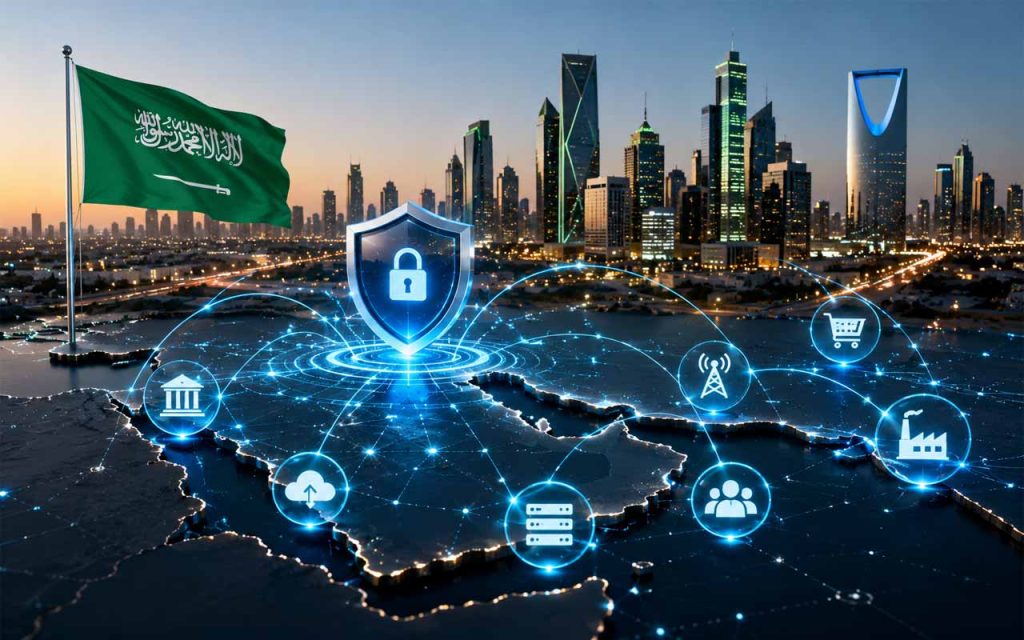
Interest Does Not Mean Procurement Readiness
Mohammad Alkhudari, Founder and CEO of Green Circle for Cybersecurity and VP & Chief FinTech Officer at Beeezcrowd, has worked with cybersecurity, fintech, and government-linked technology initiatives across Saudi Arabia, Jordan, and the broader GCC region.
Through direct engagements with Korean cybersecurity companies and regional market-entry projects tied to events such as GITEX and LEAP, he has observed a recurring pattern: many Korean startups underestimate how early the real sales process begins in the Gulf market.
“The Middle East — particularly Saudi Arabia and the UAE — genuinely represents one of the most active investment environments for cybersecurity and AI right now,”
Alkhudari told KoreaTechDesk in an exclusive interview.
“But what Korean startups often misunderstand is that market interest is not the same as market readiness to buy from them specifically.”
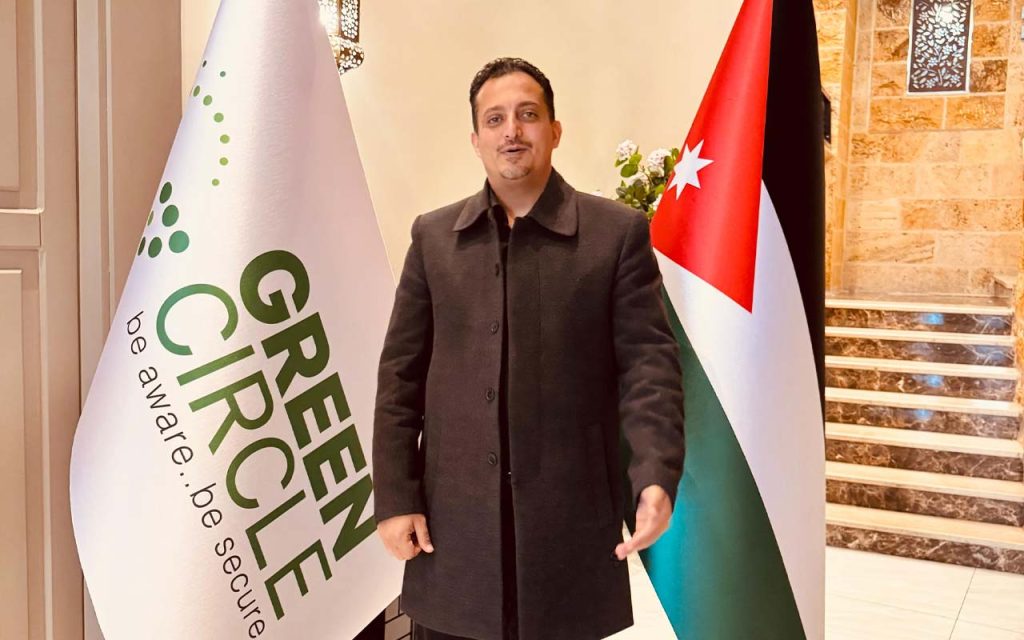
Alkhudari said several Korean companies demonstrated strong technical capabilities during regional events such as GITEX and LEAP. But then, the challenge emerged after the exhibitions ended.
“In the Middle East, the cycle starts much earlier — with relationship-building, credibility signaling, and often a quiet vetting process that happens before any formal meeting is scheduled.”
That distinction matters because many Korean startups enter the region assuming the process will closely resemble domestic enterprise sales cycles, which are centered on technical evaluation and pricing negotiation.
But in regulated Gulf sectors such as government, finance, and critical infrastructure, procurement decisions often begin with operational trust rather than product comparison.
Why Cybersecurity Procurement in the GCC Works Differently
Alkhudari further described the procurement structure in regulated sectors as a multi-stage process that moves through initial qualification, security assessment, pilot scoping, procurement committee review, legal and compliance sign-off, and deployment authorization.
Foreign vendors frequently encounter friction during the security assessment and procurement committee stages.
“Their documentation does not map to local frameworks, or there is no local person who can answer questions in real time,”
he explained.
Saudi Arabia’s Essential Cybersecurity Controls framework helps explain why those barriers matter. The NCA framework requires cybersecurity controls across government entities and organizations that are operating critical national infrastructure. It also emphasizes third-party cybersecurity risk assessment and strict operational oversight involving external vendors.
The UAE has similarly strengthened cybersecurity governance through its Information Assurance Regulation and broader national cybersecurity strategy, placing greater attention on compliance structures, operational accountability, and infrastructure resilience.
Hence, for Korean cybersecurity startups, this changes the nature of expansion strategy. Entering the Gulf is no longer only about product-market fit. It increasingly involves compliance readiness, localized operational structures, and buyer-facing support capacity.
MOUs Alone Rarely Convince Regulated Buyers
One of the strongest misconceptions, according to Alkhudari, involves overestimating the value of announcement-stage partnerships.
“An MOU with a regional partner does not satisfy this,”
he said.
“Buyers want to see operational presence, not just a signed agreement.”
That issue has become increasingly relevant as Korean cybersecurity companies pursue Gulf partnerships through trade events and government-backed export programs.
In October 2024, Korean cybersecurity company SecuLetter announced an MOU with Green Circle for Cybersecurity in Riyadh as part of a Middle East expansion initiative supported by MSIT and KISA. This partnership has reflected broader Korean efforts to strengthen cybersecurity cooperation in the region.
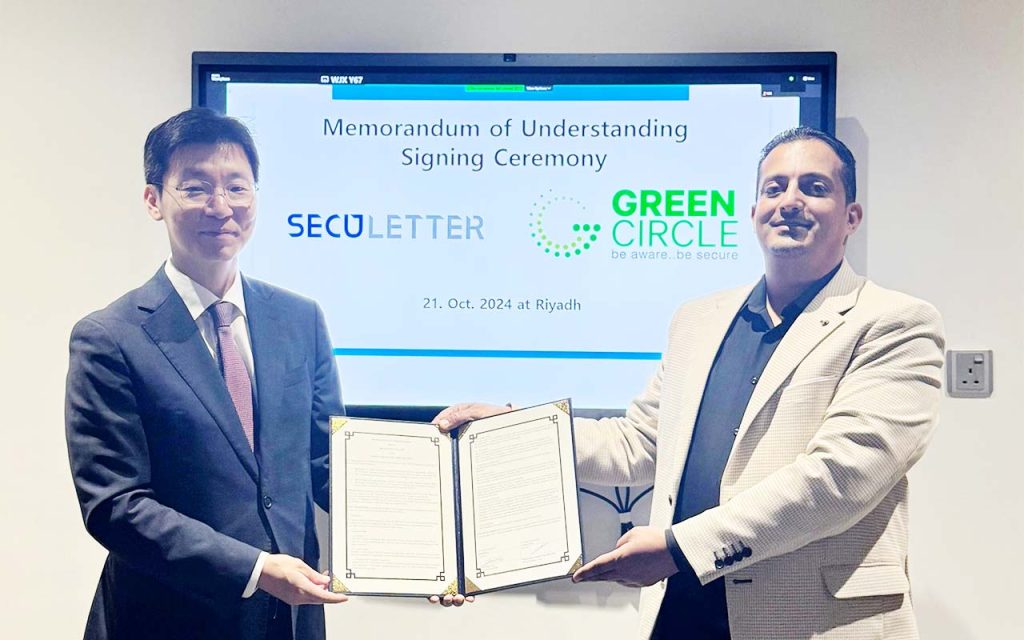
Still, Alkhudari stressed that operational credibility carries more weight than announcement visibility once procurement discussions begin.
According to him, partnerships that successfully convert into deployment usually share several characteristics. The local partner already has relationships inside the target sector, maintains technical delivery capabilities rather than only sales functions, and participates in a commercial structure tied to deployment outcomes.
“The model that has worked best in our engagements is a co-delivery structure,”
he said.
“The Korean company brings the technology, and the local partner brings compliance standing, client relationships, and in-country support capacity.”
Local Presence Is Becoming Part of the Product
Several Korean cybersecurity firms have already started adapting their regional strategies around that reality.
Korean cybersecurity company Genians stated earlier this year that around 40% of its global customers were located in the Middle East by the end of 2024. The company also emphasized the role of its UAE office in supporting regional customization and customer engagement.
That approach aligns closely with Alkhudari’s observations about buyer expectations inside the Gulf.
“For government and critical infrastructure buyers, the minimum threshold for a foreign vendor to even be considered includes a registered local entity or a credible local partner with standing.”
He added that even pilot projects can serve as important regional reference points, especially when they demonstrate alignment with local compliance frameworks and operational requirements.
The shift is forcing Korean startups to rethink how they define market entry. Conferences, delegations, and partnership announcements can open doors. Deployment depends on proving long-term operational reliability inside highly regulated environments.
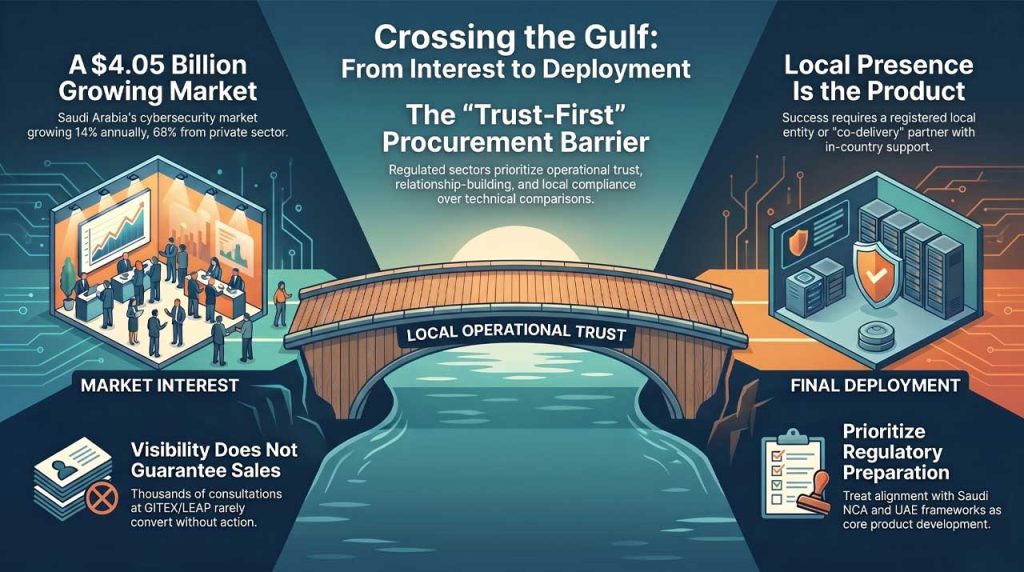
The Gulf Is Filtering Vendors Through Trust and Operational Readiness
Finally, the growing relationship between South Korea and Gulf cybersecurity markets remains significant. Saudi Arabia, the UAE, and neighboring GCC countries continue investing heavily in digital infrastructure, cybersecurity modernization, and AI-related systems.
But the next phase of Korean expansion into the region may depend less on visibility and more on execution discipline.
That is why Alkhudari believes the companies most likely to succeed are those that treat regulatory preparation and trust-building as core parts of the expansion strategy itself.
“The companies that succeed in this region share one common trait.
They treated regulatory and trust-building work as product work, not as overhead.”
Key Takeaway
- Middle East cybersecurity demand is real, particularly in Saudi Arabia and the UAE, where cybersecurity investment continues to grow rapidly.
- Korean cybersecurity startups are gaining visibility through GITEX, LEAP, and Korean government-backed expansion programs.
- Procurement in regulated Gulf sectors involves more than technical evaluation, including security assessment, compliance mapping, procurement committee review, and operational verification.
- MOUs and event visibility alone rarely convert into deployment without local operational presence and trusted delivery capability.
- Saudi and UAE cybersecurity frameworks are increasing compliance pressure on foreign vendors entering government and critical infrastructure sectors.
- Local trust, regional references, and in-country support are becoming core market-entry requirements for Korean cybersecurity companies targeting GCC expansion.
- The strongest Korean market-entry strategies increasingly combine technology capability with local compliance alignment and co-delivery partnerships.
– Stay Ahead in Korea’s Startup Scene –
Get real-time insights, funding updates, and policy shifts shaping Korea’s innovation ecosystem.
➡️ Follow KoreaTechDesk on LinkedIn, X (Twitter), Threads, Bluesky, Telegram, Facebook, and WhatsApp Channel.
🤝 Looking to connect with verified Korean companies building globally?
Explore curated company profiles and request direct introductions through beSUCCESS Connect.