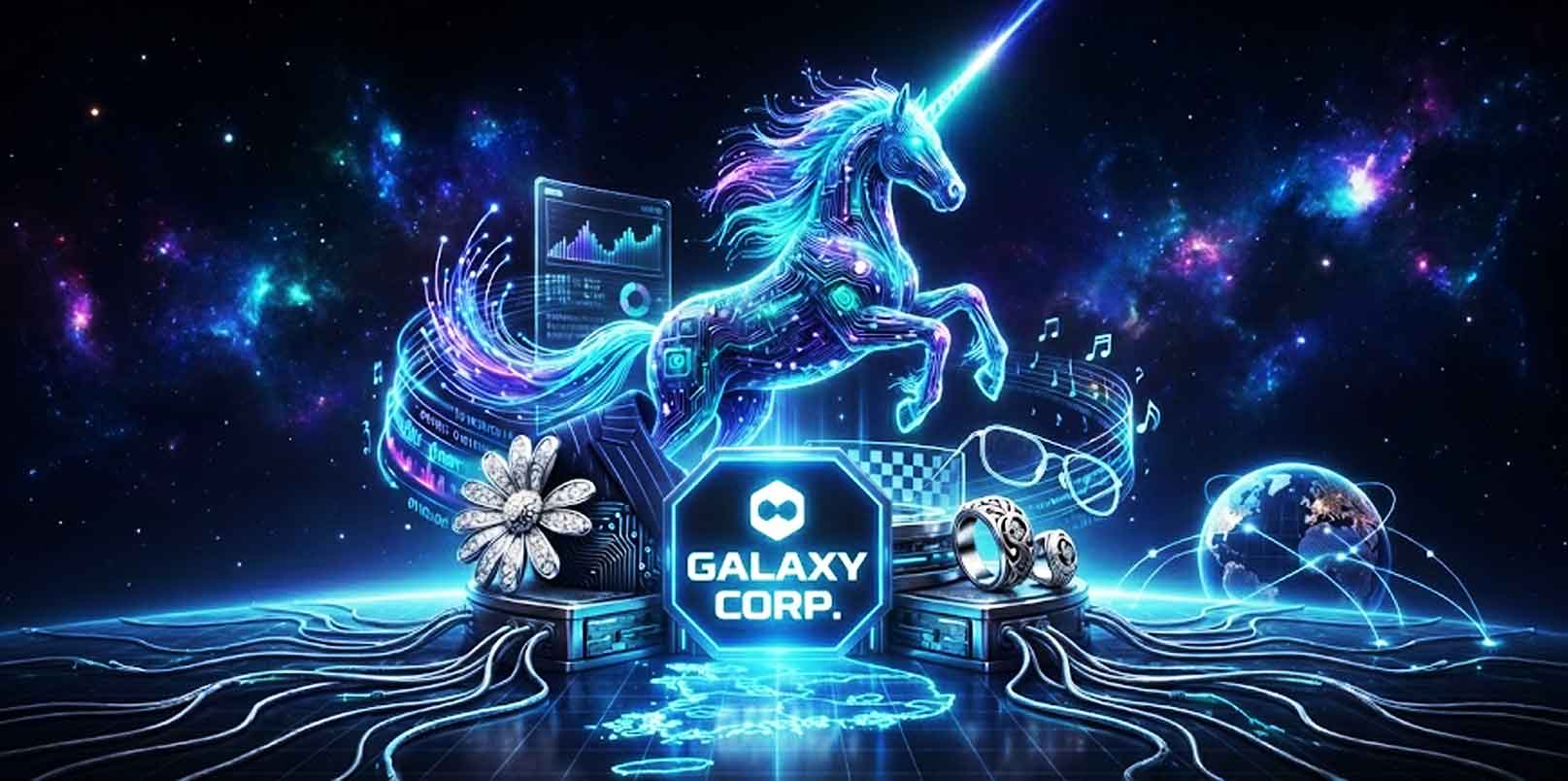
Korea’s entertainment industry is no longer shaped by talent agencies alone. As intellectual property, artificial intelligence, and robotics begin to intersect, new startup models are emerging at the edge of culture and technology. The rise of Galaxy Corporation illustrates how Korea’s startup ecosystem is testing technology-driven cultural businesses with global scale ambitions.
The Revenue Surge of Korea’s Unicorn Galaxy Corporation and IPO Timeline
Galaxy Corporation announced that it expects to post record annual revenue of KRW 300 billion in 2025, marking a sharp increase compared to the previous year. The company confirmed that this performance places it well into the final stage of preparations for a planned initial public offering in 2026.
The IPO trajectory builds on Galaxy Corporation’s earlier confirmation in December that it secured KRW 100 billion in pre-IPO funding at a KRW 1 trillion valuation, formally entering Korea’s unicorn club. The round, conducted entirely in common shares, drew participation from domestic institutions including Korea Investment & Securities, Shinhan Venture Investment, and Nvestor, alongside overseas investors such as Taiwan-based ADATA and Hong Kong’s Star Plus Legend Holdings.
Additionally, it also followed the public unveiling of the company’s new headquarters in Yeouido, Seoul, which management described as a base for its next growth phase. Galaxy Corporation positions itself as an AI-based entertainment technology company that combines artist management with IP commercialization, technology development, and new media formats.
G-Dragon’s Return Anchors Short- and Mid-Term Growth Visibility
According to the entertainment industry, Galaxy Corporation successfully concluded encore performances of G-Dragon’s “2025 World Tour Übermensch” at Gocheok Sky Dome in Seoul between December 12 and 14. The tour spanned 39 concerts across 16 cities in 12 countries.
The commercial impact has been significant. The company recorded KRW 123 billion in revenue and KRW 13 billion in net profit during the first half of the year. Full-year revenue is projected to reach KRW 300 billion, representing a more than sixfold year-on-year increase.
Industry sources cited in the report indicate that earlier concerns over dependence on a single artist have eased. Galaxy Corporation and G-Dragon are described as maintaining a long-term partnership structured around large-scale global projects rather than short-term contractual arrangements.
Additional momentum is expected in 2026, aligned with the 20th anniversary of Big Bang’s debut.
Beyond Talent Agencies: Enter-Tech as a Differentiation Strategy
Galaxy Corporation’s positioning differs from traditional entertainment companies such as HYBE, SM Entertainment, and JYP Entertainment. The distinction lies in its emphasis on technology as a core business driver.
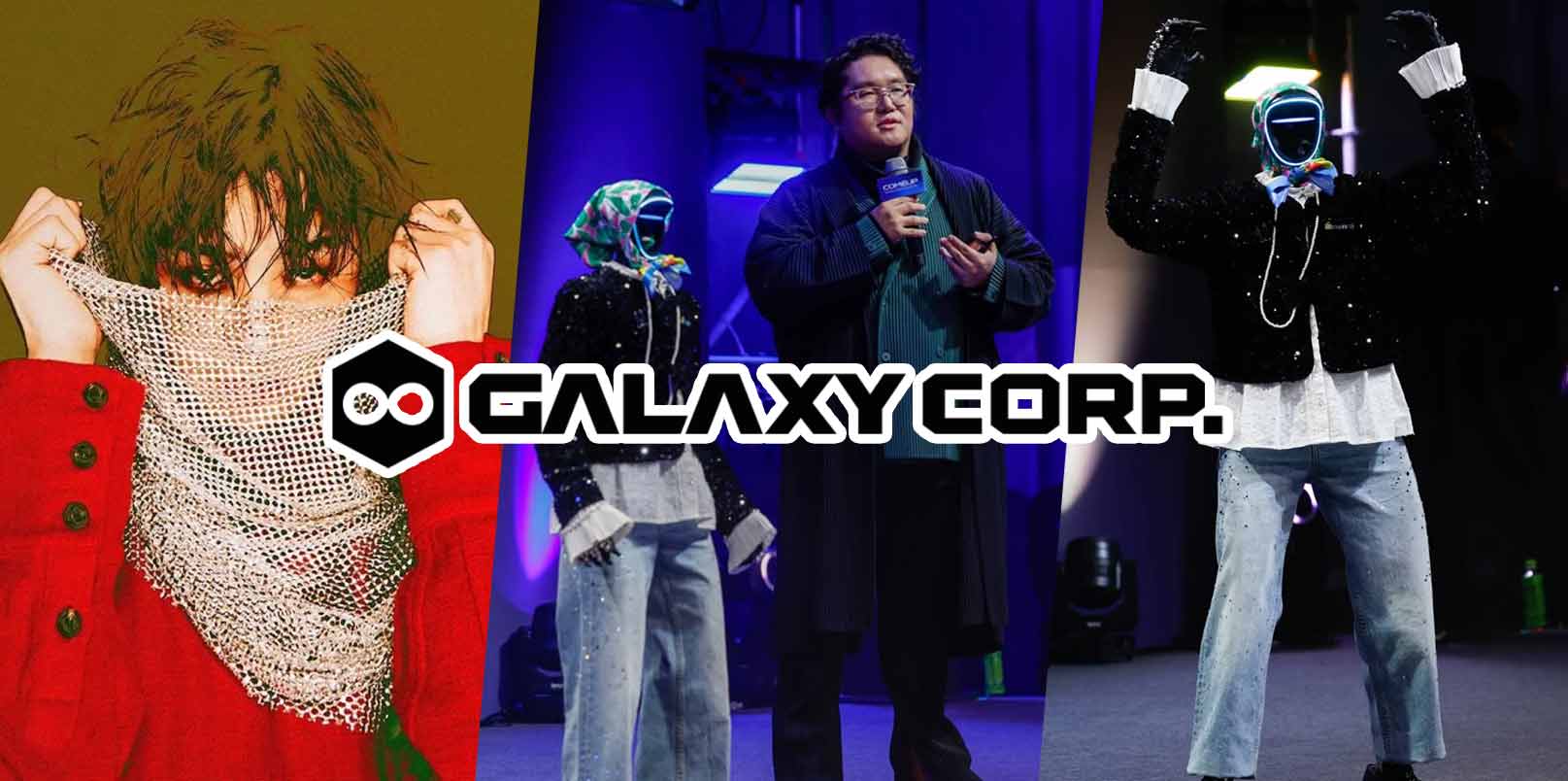
At COMEUP 2025, the company presented an idol humanoid robot performing choreography to G-Dragon’s music. Galaxy Corporation stated that it plans to collaborate with KAIST to debut what it describes as the world’s first robot idol. Separately, the firm held a virtual idol audition in December, drawing more than 1,000 applicants and advancing 80 finalists using proprietary AI systems.
Management has framed these initiatives as a way to address structural constraints in the entertainment industry, including artist availability, physical limitations, and privacy exposure, while enabling persistent global fan engagement.
IP Expansion as a Core Business Logic of Korea’s Latest Enter-Tech Unicorn
Galaxy Corporation has pursued what it calls an IPX strategy, focused on extending artist intellectual property into multiple domains. G-Dragon’s activities now span cultural, academic, and diplomatic roles, including appointments as a visiting professor at KAIST and promotional ambassador for the APEC Leaders’ Meeting in 2025.
The company has also experimented with generative AI, producing music video content using Sora. In advertising, G-Dragon’s endorsements have expanded beyond luxury brands to include domestic startups, reflecting a deliberate effort to broaden commercial reach.
Galaxy Corporation recently added actor Song Kang-ho and singer Kim Jong-kook to its roster, with discussions reportedly under way to recruit elite sports figures.
Galaxy Corporation: A New IPO Playbook for Korea’s Enter-Tech
Galaxy Corporation’s ascent highlights a broader shift within Korea’s startup ecosystem. Cultural IP is increasingly being treated as a scalable asset class when combined with software, AI, and robotics. The company’s recent pre-IPO funding round, which valued it at KRW 1 trillion, attracted both domestic institutions and overseas investors.
For global founders and investors, the case illustrates how Korea’s venture ecosystem is now expanding beyond software and deep tech into hybrid models that fuse culture, technology, and IP monetization. It also reflects how unicorn formation in Korea is diversifying ahead of the 2026 IPO cycle.
A Test Case for Tech-Driven Cultural Scale
Galaxy Corporation’s planned IPO will serve as an early test of whether enter-tech companies can sustain public-market credibility beyond headline IP. The strategy depends on converting cultural influence into repeatable, technology-enabled revenue streams.
As Korea positions itself as a global venture hub that blends creativity with advanced technology, Galaxy Corporation stands as a closely watched experiment. Its trajectory will offer practical lessons for startups seeking to turn IP into durable enterprise value in global markets.
– Stay Ahead in Korea’s Startup Scene –
Get real-time insights, funding updates, and policy shifts shaping Korea’s innovation ecosystem.
➡️ Follow KoreaTechDesk on LinkedIn, X (Twitter), Threads, Bluesky, Telegram, Facebook, and WhatsApp Channel.
🤝 Looking to connect with verified Korean companies building globally?
Explore curated company profiles and request direct introductions through beSUCCESS Connect.