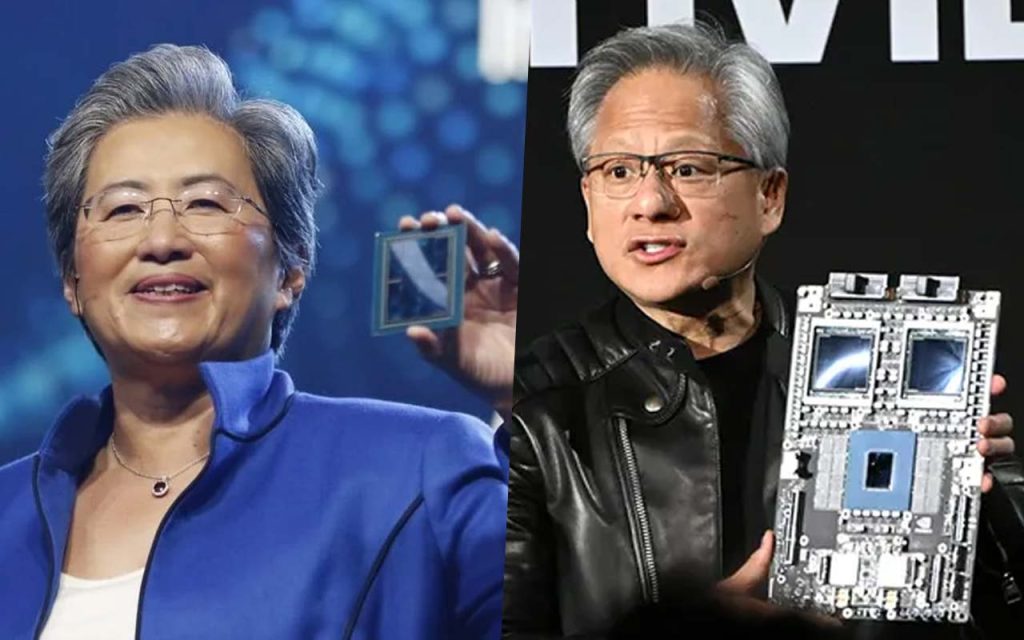
The global race to build artificial intelligence infrastructure is increasingly shaped by supply chains rather than algorithms alone. AMD CEO Lisa Su’s upcoming visit to South Korea signals how crucial Korean companies have become to that equation. Meetings with Samsung Electronics and Naver highlight a strategic convergence between chip design, memory manufacturing, and sovereign AI ambitions that extends far beyond the Korean market.
AMD CEO Lisa Su to Visit Korea for Strategic AI Partnerships
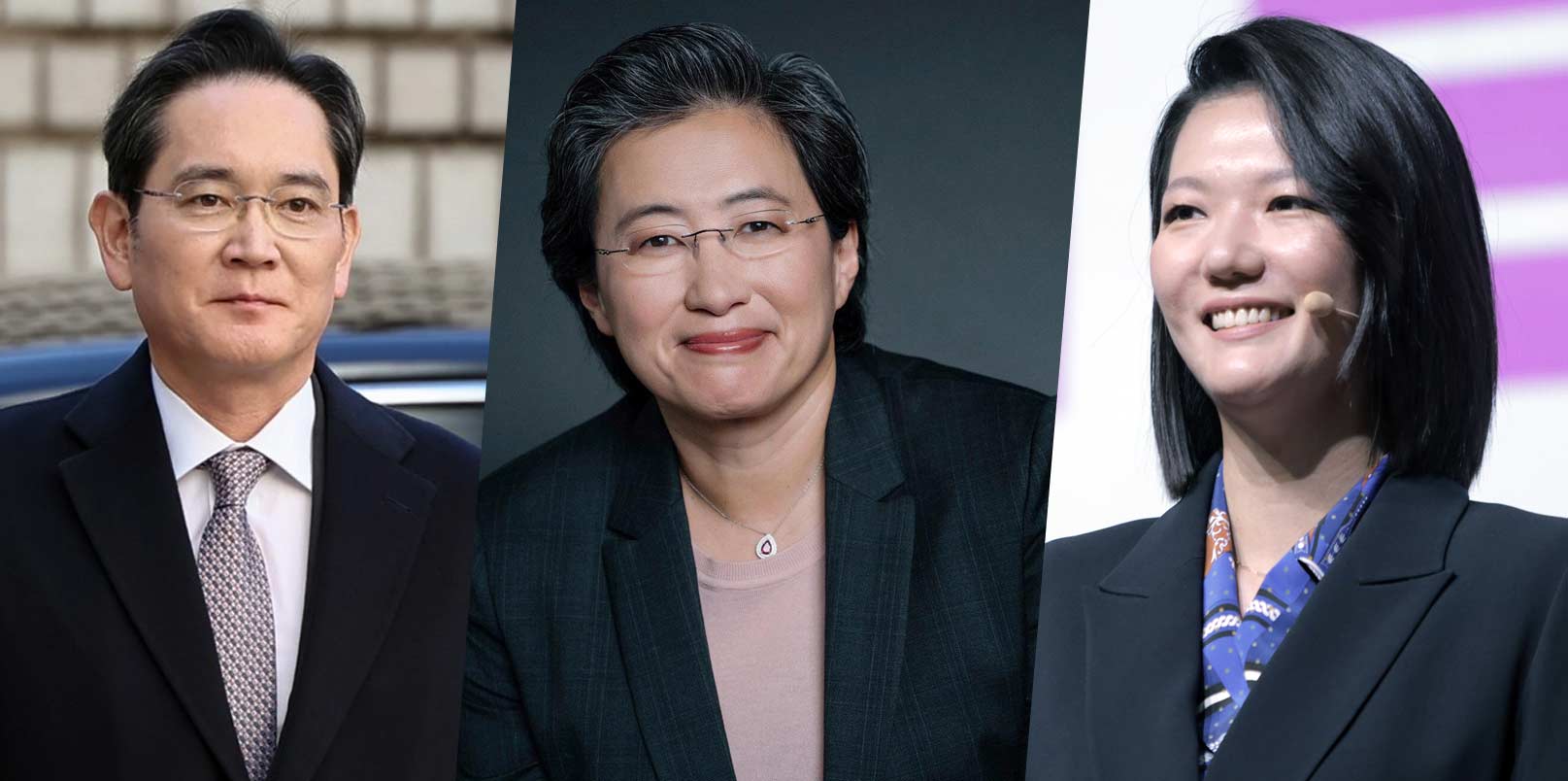
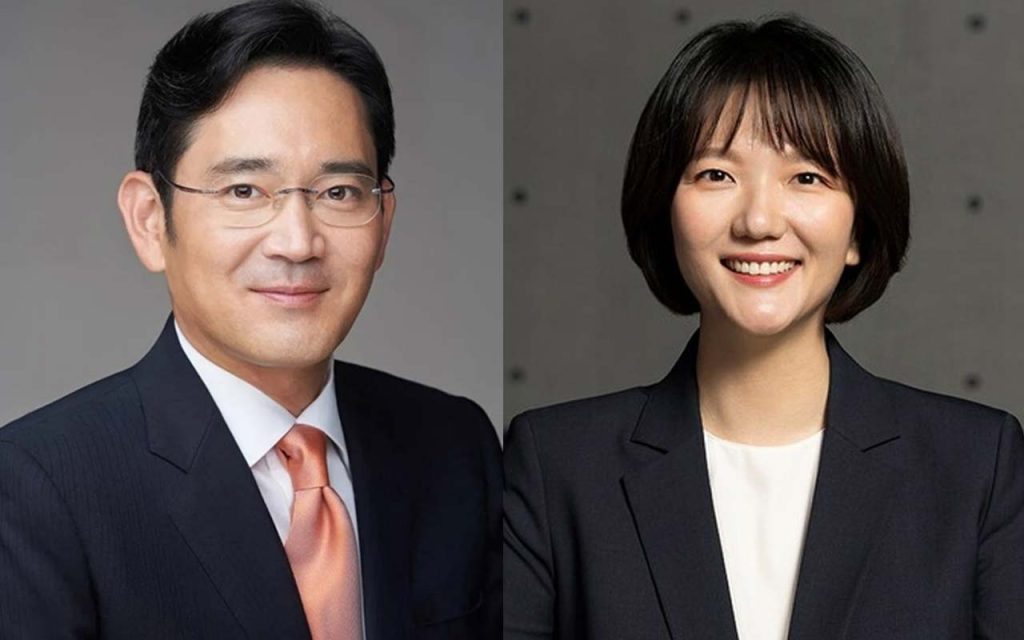
AMD Chief Executive Officer Lisa Su is expected to visit South Korea on March 18 to meet leaders of major technology companies including Samsung Electronics Chairman Lee Jae-yong and Naver CEO Choi Soo-yeon.
Industry sources cited by multiple Korean media outlets say the visit will mark Su’s first trip to Korea since she became AMD’s CEO in 2014. Discussions are expected to focus on cooperation across AI infrastructure, including semiconductor supply and data center computing.
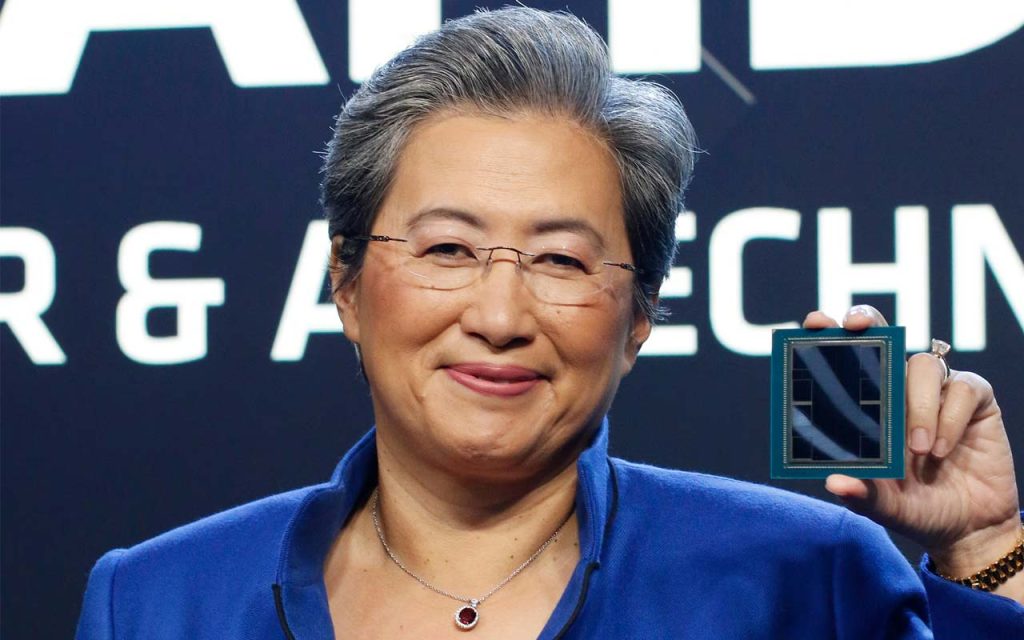
AMD currently ranks second in the global AI accelerator market behind NVIDIA. The company has recently secured major customers such as OpenAI and Meta, positioning itself as one of the few credible challengers to NVIDIA’s dominance in AI computing hardware.
The planned meetings with Korean partners appear closely tied to this expansion strategy.
Korea’s Memory Giants Sit at the Center of the AI Hardware Race
South Korea has become a critical node in the global AI hardware supply chain due to its dominance in advanced memory technologies.
High Bandwidth Memory (HBM) has emerged as a core component for AI accelerators. These specialized chips require extremely fast memory bandwidth to train and operate large-scale AI models.
Samsung Electronics is widely reported to be supplying HBM used in AMD’s AI accelerators. The company recently confirmed the first mass production shipments of HBM4, the next generation of high-bandwidth memory to NVIDIA.
Industry observers expect Su’s discussions with Samsung to include securing stable memory supply for AMD’s upcoming AI accelerator products. Reports also suggest Samsung previously supplied HBM3E memory for AMD’s MI350 accelerator and could become a supplier for the next-generation MI450 platform.
AMD is also known as a major buyer of memory chips from Korean manufacturers. Ensuring stable DRAM and NAND supply has become more important as global demand for AI hardware strains semiconductor production capacity.
The visit could also include discussions related to foundry manufacturing. Some reports indicate that Samsung’s semiconductor manufacturing division may be seeking AI chip production orders from AMD, following earlier industry discussions about next-generation AI chip fabrication.
Naver’s Sovereign AI Strategy Creates New Demand for AI Chips
In addition to semiconductor supply, AMD’s Korea visit is expected to involve discussions with Naver on AI infrastructure development.
Naver has been expanding its AI business around its proprietary large language model HyperCLOVA X. The company is also pursuing enterprise-focused AI services and cloud platforms through its subsidiary Naver Cloud.
These initiatives require large-scale data center computing capacity. Industry observers believe Naver is seeking to build AI infrastructure that reduces reliance on NVIDIA hardware.
A representative from Naver Cloud confirmed that a meeting between CEO Choi Soo-yeon and AMD CEO Lisa Su is scheduled, although the company declined to disclose details of the agenda.
Reports suggest discussions could include AI chips for data centers, hardware optimization for Naver’s AI platforms, and potential collaboration around sovereign AI infrastructure.
Naver has recently targeted overseas markets with strong demand for national data sovereignty, including Saudi Arabia, Japan, and Thailand. Exporting AI platforms to these markets requires localized infrastructure stacks, which could increase demand for alternative AI hardware ecosystems.
A Strategic Moment in the AMD–NVIDIA Rivalry
Su’s Korea visit also arrives at a symbolic moment in the global semiconductor industry.
It is scheduled during the same week as NVIDIA’s annual developer conference, GTC 2026. That timing has drawn attention in industry circles.
Some analysts interpret the visit as an effort by AMD to showcase partnerships with major Korean technology companies while global attention is focused on NVIDIA.
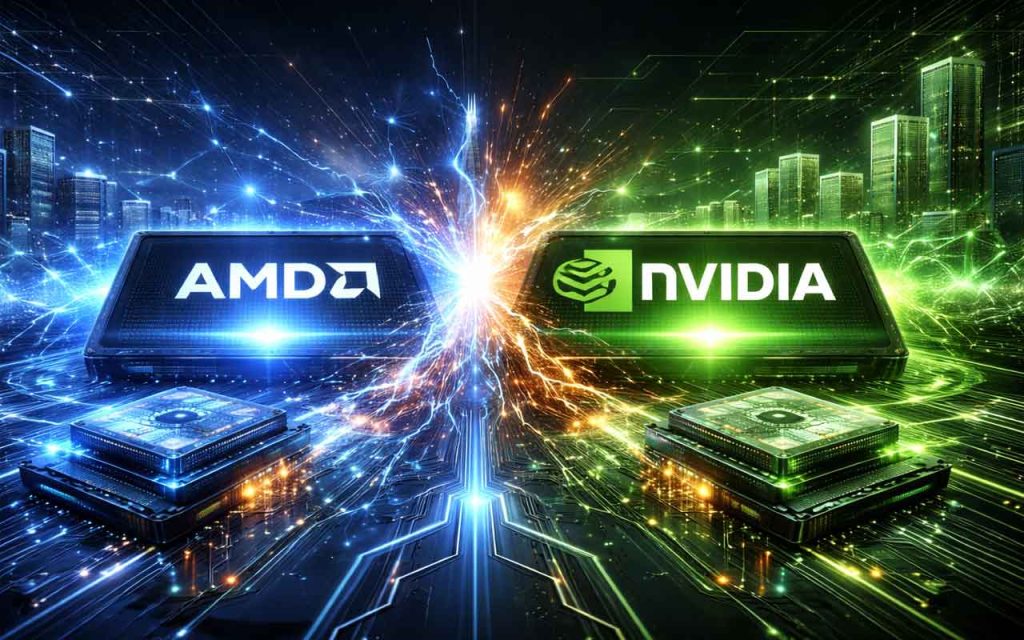
The rivalry between the two companies is particularly visible in AI accelerators. NVIDIA currently holds an estimated market share approaching 90 percent, while AMD remains in the single-digit range.
Still, AMD has been working to narrow that gap. Large supply agreements with companies such as OpenAI and Meta have expanded demand for AMD hardware in AI training and inference workloads.
Behind the scenes, competition also extends to the memory ecosystem. Some industry observers believe NVIDIA has recently raised HBM performance requirements for suppliers in order to maintain a performance edge over upcoming rival accelerators.
Such developments highlight how AI hardware competition increasingly revolves around integrated supply chains that combine chip design, advanced memory, and large-scale computing infrastructure.
Why Korea’s AI Infrastructure Role Is Expanding
For South Korea’s technology ecosystem, the visit reflects a broader shift in the global AI economy.
Korean companies do not dominate AI model development in the way U.S. or Chinese firms do. Yet they control several critical layers of the infrastructure stack that powers those models.
Samsung Electronics and SK hynix together lead global production of high-bandwidth memory, a component widely considered essential for modern AI accelerators.
Meanwhile Korean internet platforms such as Naver are attempting to build sovereign AI capabilities and export AI infrastructure services to other regions.
This combination places Korea in a strategic position. The country functions as a bridge between semiconductor manufacturing, cloud infrastructure, and emerging AI platform ecosystems.
For global startups and investors, this trend signals that partnerships in the AI hardware supply chain are no longer limited to Silicon Valley.
They increasingly involve collaboration with Asian infrastructure providers that control key manufacturing technologies.
AI Infrastructure Competition Moves Toward Supply Chains
Lisa Su’s visit to Korea illustrates how competition in artificial intelligence is evolving.
The next phase of the AI race may depend less on who builds the best models and more on who can secure the most reliable hardware supply chain.
AMD’s engagement with Korean companies highlights this dynamic. Memory supply, chip manufacturing capacity, and large-scale AI data centers now shape the balance of power in global AI infrastructure.
As governments and corporations invest heavily in sovereign AI systems, the strategic importance of these supply chains is likely to grow further.
South Korea’s semiconductor industry and emerging AI platform companies are positioning themselves at the center of that transformation.
Key Takeaways on AMD CEO Lisa Su’s Korea Visit
- AMD CEO Lisa Su is expected to visit South Korea on March 18 to meet Samsung Electronics Chairman Lee Jae-yong and Naver CEO Choi Soo-yeon.
- The visit marks Su’s first trip to Korea since becoming AMD’s CEO in 2014.
- Discussions are expected to focus on AI infrastructure cooperation, including high-bandwidth memory supply and data center AI chips.
- Samsung Electronics is a key supplier of advanced memory technologies such as HBM, which are essential for AI accelerators.
- Naver is expanding AI infrastructure around its HyperCLOVA X model and exploring sovereign AI deployments in global markets.
- The visit occurs during the same week as NVIDIA’s GTC conference, highlighting intensifying competition in the AI hardware ecosystem.
- South Korea’s semiconductor industry is becoming increasingly central to the global AI supply chain.
🤝 Looking to connect with verified Korean companies building globally?
Explore curated company profiles and request direct introductions through beSUCCESS Connect.
– Stay Ahead in Korea’s Startup Scene –
Get real-time insights, funding updates, and policy shifts shaping Korea’s innovation ecosystem.
➡️ Follow KoreaTechDesk on LinkedIn, X (Twitter), Threads, Bluesky, Telegram, Facebook, and WhatsApp Channel.