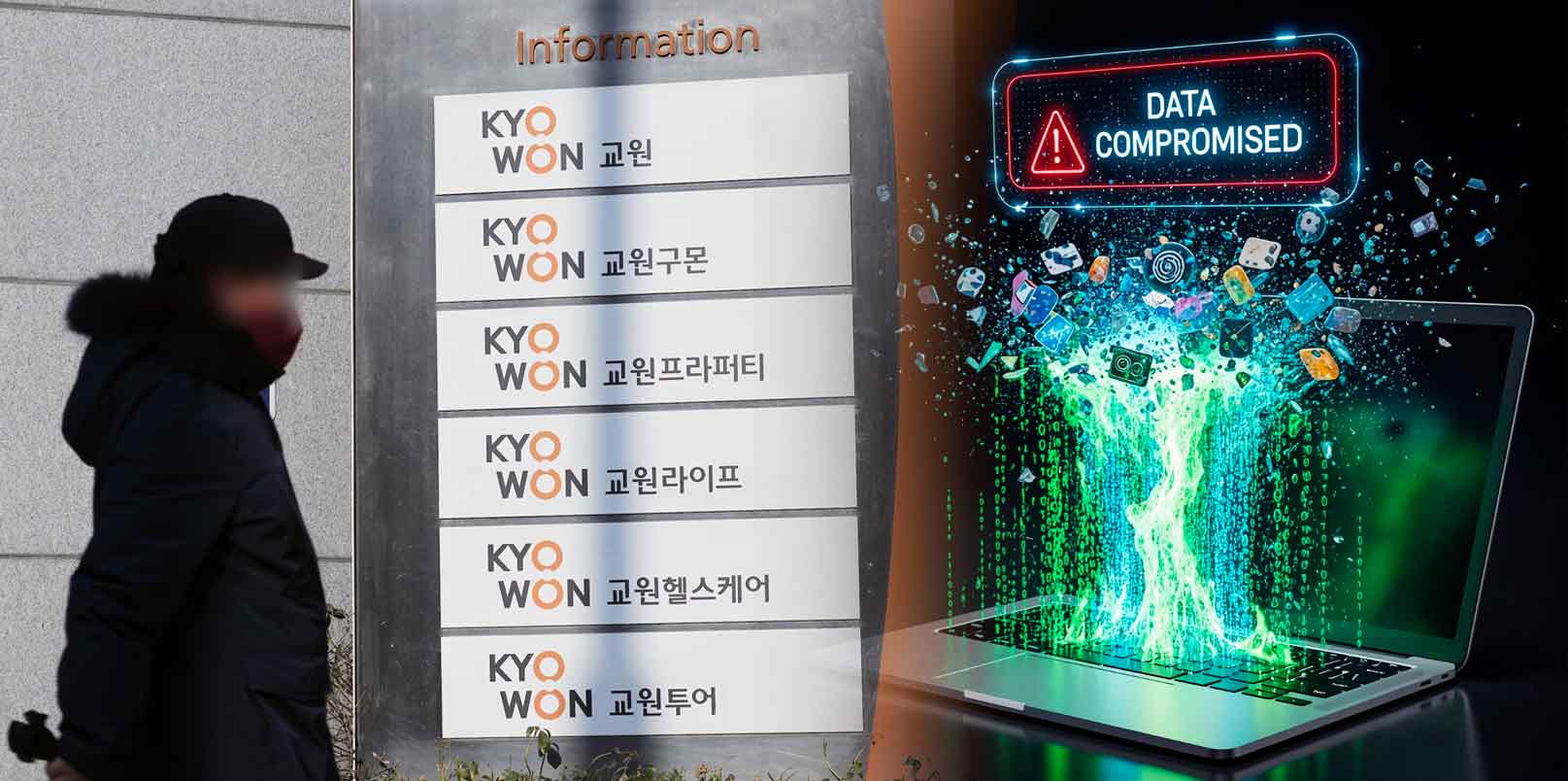
Korea’s cybersecurity conversation has centered on telecoms, finance, and e-commerce. Yet the nation’s next major digital risk may already be forming in an unlikely place—the funeral industry. Despite managing over ten million customer records and trillions in prepaid deposits, leading funeral service companies operate without mandatory data security certification or disclosure, exposing a blind spot in Korea’s digital trust infrastructure.
Korea’s Funeral Sector: The Hidden Security Void in a High-Trust Industry
A recent review of government data revealed that none of Korea’s top five funeral service providers—Woongjin Preed Life, Kyowon Life, Boram Sangjo Development, The-K Yedaham, and Sono Station—have obtained ISMS (Information Security Management System) certification, a national standard for enterprise-level information protection.
Under Korean law, ISMS certification is mandatory for information and communication service firms with over KRW 10 billion in annual digital revenue or more than one million daily users. However, funeral service providers fall outside this definition despite their vast customer bases and the highly personal nature of their stored data, including contract details, payment histories, and family relationships.
The regulatory gap has left a core consumer-facing industry—responsible for managing personal and financial information for older clients—entirely unregulated in cybersecurity governance.
Regulatory Exceptions and Systemic Oversight
Korea’s information security framework grants certification and disclosure obligations mainly to IT, telecom, and financial service companies. Funeral service operators, however, are classified as “life-service” businesses, exempt from those obligations.
This means they are not required to publicly disclose cybersecurity investments, dedicated staff numbers, or audit results. There is no formal mechanism for consumers, regulators, or even policymakers to verify whether these firms follow any data protection standards.
Experts describe this as a structural oversight in Korea’s cybersecurity architecture. The issue is not technological incapacity but categorical omission—industries outside “digital” definitions have evolved digitally without parallel oversight.
A Preventable Blind Spot
Professor Lim Jong-in, honorary professor at Korea University Graduate School of Information Security, explained the risk plainly:
“Ransomware attacks are financially motivated. Companies that handle steady cash flows but maintain weak defenses inevitably become targets. What matters now is proactive investment—building real security operations around skilled personnel, not just hardware.”
Rep. Lee Jun-seok of the Reform Party called the lack of certification a “serious institutional failure”:
“These companies manage the personal information of millions of members, many of whom are elderly. Given the sensitivity of their data, cybersecurity standards applied to financial and platform sectors must extend to the funeral industry as well.”
Their statements highlight an uncomfortable truth, that industries like life-care, education, and funeral services—handling both personal and payment data—have quietly become part of Korea’s digital infrastructure, but without digital accountability.
The Governance Gap Extending Beyond Technology
The issue exposes a broader flaw in Korea’s governance ecosystem: the misalignment between how industries evolve and how policies define “digital risk.”
Funeral services now rely on cloud-based payment systems, mobile applications, and customer portals. Yet they remain classified under legacy consumer services. The Kyowon Group ransomware breach earlier this month, which disrupted its life-care and education subsidiaries, shows how quickly these sectors have become digital and vulnerable.
Industry observers warn that similar ransomware or data theft incidents could spread across other unregulated sectors where financial transactions and personal records overlap—ranging from travel membership companies to healthcare cooperatives.
These unregulated sectors have also created a loophole, an unexpected possible entry for ransomware and cyberattacks to access the whole internal system, especially for major groups like Kyowon.
A Warning to Founders and Policymakers
For startups and investors, this case underscores that Korea’s digital risk is not limited to high-tech industries. The funeral sector’s data governance gap illustrates how regulatory definitions lag behind market digitalization—a cautionary signal for all emerging service industries adopting subscription or membership models.
As the government refines its Digital Trust and AI Infrastructure Strategy, experts argue that cybersecurity governance must expand beyond the IT category. Certification systems like ISMS or its forthcoming AI variant (AISMS) could be restructured to cover non-tech sectors that handle sensitive consumer data.
Startups in fintech, life-care, and education technology can also derive crucial lessons, that compliance readiness and trust governance are not optional—they are prerequisites for sustainability and investor credibility.
Building Digital Trust Where No One Is Looking
Korea’s digital economy can no longer afford selective governance. As the line between traditional and digital industries disappears, cybersecurity oversight must evolve beyond sectoral boundaries.
The funeral industry’s unprotected databases reveal not only a technical oversight but a philosophical one: the assumption that “non-digital” sectors are safe. The next breach may not target a tech firm at all—it may strike where protection was never required.
To preserve national trust and global credibility, Korea’s cybersecurity strategy must treat information protection as universal infrastructure—binding every enterprise, digital or not, under one standard of accountability.
– Stay Ahead in Korea’s Startup Scene –
Get real-time insights, funding updates, and policy shifts shaping Korea’s innovation ecosystem.
➡️ Follow KoreaTechDesk on LinkedIn, X (Twitter), Threads, Bluesky, Telegram, Facebook, and WhatsApp Channel.