Digital transformation remains one of the most persistent challenges for companies worldwide—especially for SMEs that lack the resources or technical expertise to deploy enterprise-grade systems. Shanghai Yixiao Information Technology, led by Bo Zhi Yuan, a Forbes China 30 Under 30 honoree and one of Shanghai’s Leading Talents in 2024, is tackling this problem head-on.
In an exclusive interview, Bo shares how his company’s no-code and AI-driven platforms, Qingflow and Wingent, are helping enterprises achieve true digital agility—and why Korea has emerged as a natural next frontier for expansion as the company progressed together with the 40 startups selected for K-Startup Grand Challenge 2025 Phase 2.
“Through KSGC collaboration, we successfully developed validation solutions tailored to Korean business needs, helping us establish a strong foundation for sustained market expansion in the country.”
Shanghai Yixiao Information Technology Transforms Enterprise Systems, One Workflow at a Time
Q1. What motivated you to start this company, and what core problem were you trying to solve?
While pursuing master’s degree at Shanghai Jiao Tong University, I interned at the SAP Asia Strategy Research Institute and witnessed a persistent digital gap. Even in Fortune 500 companies running on advanced SAP systems, frontline employees still depended on paper processes and Excel sheets. Meanwhile, SMEs lacked affordable, flexible tools for digital transformation.
Traditional coding was expensive and slow, while off-the-shelf SaaS products failed to meet the personalized, evolving needs of different business scenarios. This reality inspired the creation of Qingflow—an enterprise-grade, no-code development platform designed to empower non-technical business users to build and manage their own systems efficiently.
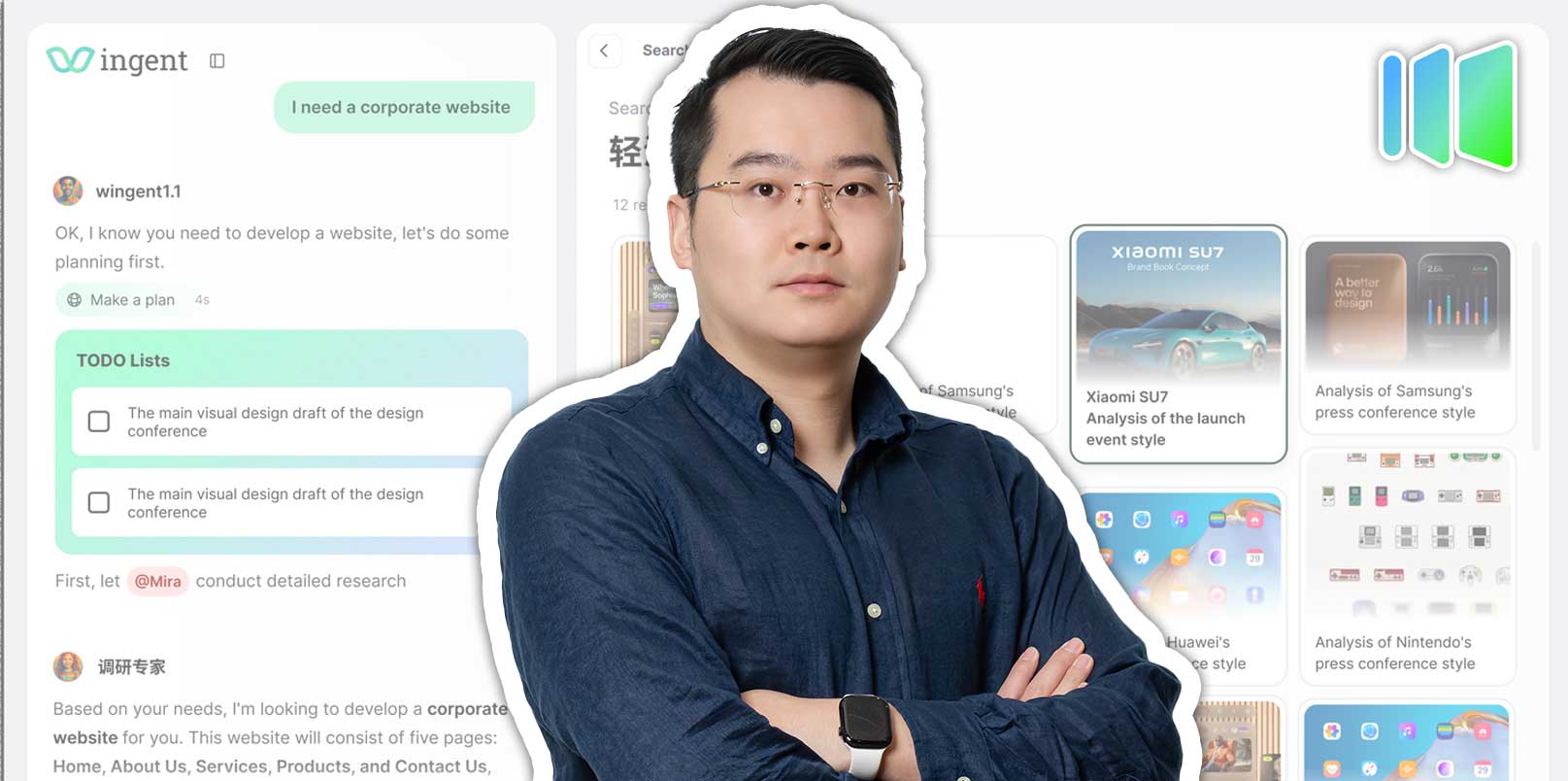
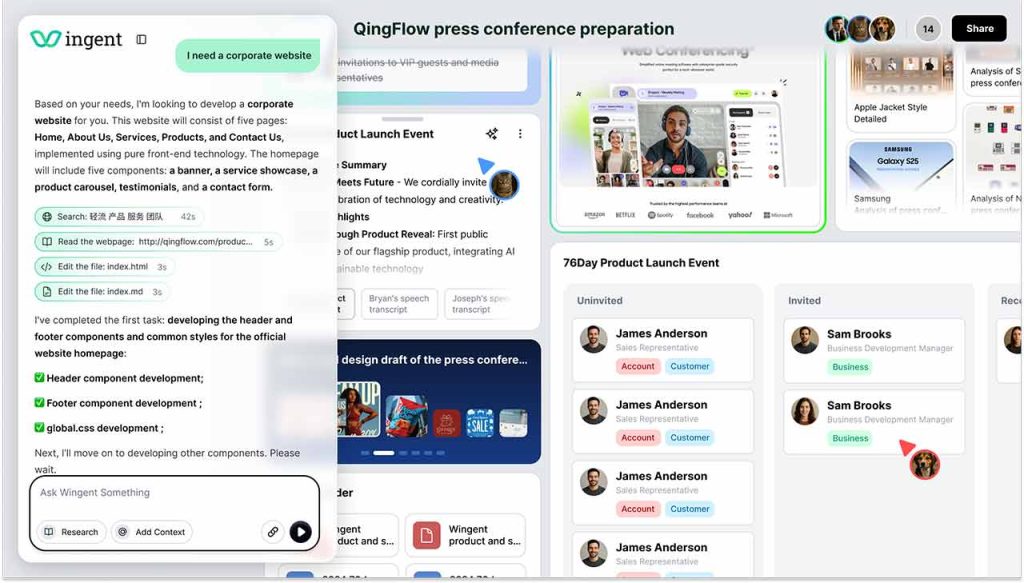
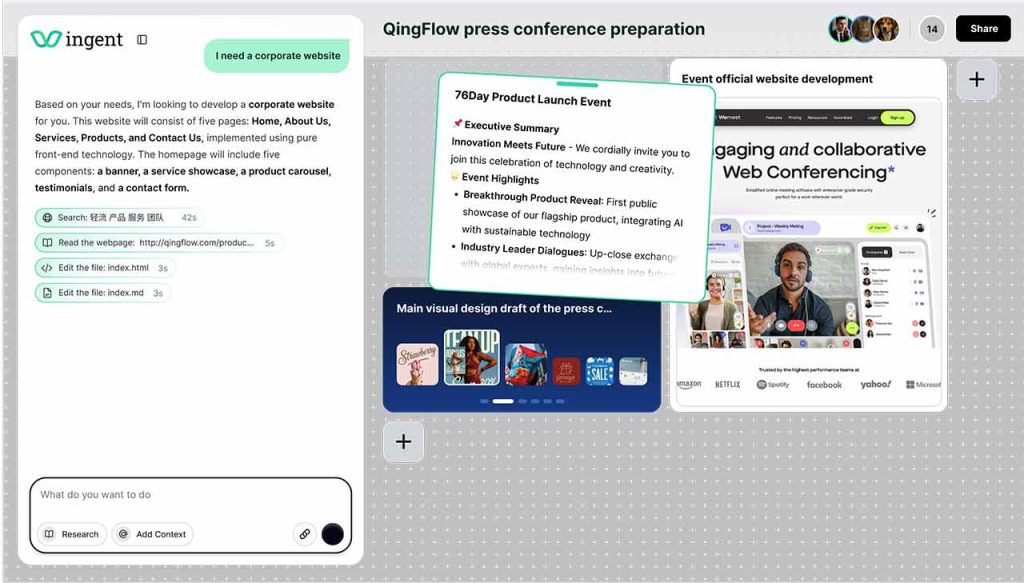
As AI large language models advanced, the company expanded its vision and launched Wingent, an AI-integrated no-code solution that enables users to build enterprise-grade business systems through natural language conversations.
With Qingflow and Wingent, even non-technical professionals can now create tailored digital systems within days or hours, transforming how enterprises achieve efficiency and digital agility.
Spotting a Clear Market Gap in Korea’s SaaS Landscape
Q2. What opportunity or unmet need did you identify in the Korean market, and what early signals convinced you that your solution could gain real traction here?
Through our Chinese business partners operating in South Korea, we identified that the no-code and low-code sector in Korea remains underdeveloped, with clear demand for tools that combine flexibility, speed, and enterprise-grade reliability. Our products are well positioned to fill this gap.
We began by engaging pilot customers in the cross-border e-commerce sector, where digital transformation challenges are acute. Partnering with a cross-border apparel seller as our seed customer, we conducted pilot demonstrations that produced tangible results: a 40% reduction in inventory management time, 35% faster response to negative reviews, and 25% lower operational costs compared to their previous manual workflows.
Their strong endorsement of our rapid implementation and responsive support validated not only our solution’s technical value but also its commercial viability in Korea’s fast-moving e-commerce environment. These early results have opened doors to broader opportunities within the cross-border sellers community, signaling a promising trajectory for deeper market expansion.
The Mentorship at KSGC 2025 That Refined the Strategy
Q3. During KSGC, were there any mentors, partners, or specific insights that significantly influenced your product or strategy?
During the K-Startup Grand Challenge program, our accelerator team—particularly lead mentor Eugene—offered pivotal strategic guidance that reshaped our market entry approach. He emphasized that while Wingent is a strong and scalable product, success in South Korea would require a phased strategy: first validating commercial viability within a focused niche, then expanding gradually within that vertical before launching the full platform to the broader Korean and Asia-Pacific SaaS market.
Guided by this insight, we collaborated with our partners to identify cross-border e-commerce as the ideal pilot field for validation. This targeted approach has already produced tangible outcomes—we’ve successfully delivered initial solution outputs and secured a letter of intent (LOI) from a key partner, confirming both market interest and early traction.
A Cross-Border Platform Ready for Scale
Q4. After joining KSGC, what has been the most meaningful change for your company and what evidence supports this growth?
Notably, prior to participating in KSGC, our Qingflow product primarily offered services exclusively within China. Fortuitously, the program coincided perfectly with the launch of our new product, Wingent, and our strategic shift toward international expansion.
Specifically, KSGC provided expert guidance and structured support in navigating an unfamiliar market landscape, helping us identify and assess high-potential business opportunities in South Korea
Through this collaboration, we successfully developed validation solutions tailored to Korean business needs and secured five qualified business leads. These outcomes have not only verified our product-market fit but also established a strong foundation for sustained market expansion in South Korea.
Shanghai Yixiao Information Technology: Building a Global AI-Driven No-Code Ecosystem
Q5. Looking ahead, what is the most important vision or long-term goal your company aims to achieve, and what steps are you taking to move toward it?
2026 is the inaugural year of our global expansion. We are delivering agile, intelligent, and secure digital experiences for enterprises and teams worldwide through our flagship product, Wingent.
Our goal is to empower organizations with more reliable and trustworthy AI application services, reshaping how business systems are built and deployed.
Entering the South Korean market represents the first milestone in this journey. By establishing a strong operational base in Korea, we aim to open the pathway to broader international markets and advance our long-term vision of becoming a global leader in enterprise digitalization.
To realize this vision, we are continuously refining and optimizing Wingent to preserve its competitive edge in both user experience and service reliability. From our foundation in South Korea, we will accumulate localized expertise, adopt an iterative and fast-paced innovation approach, and build the momentum for sustainable global growth.
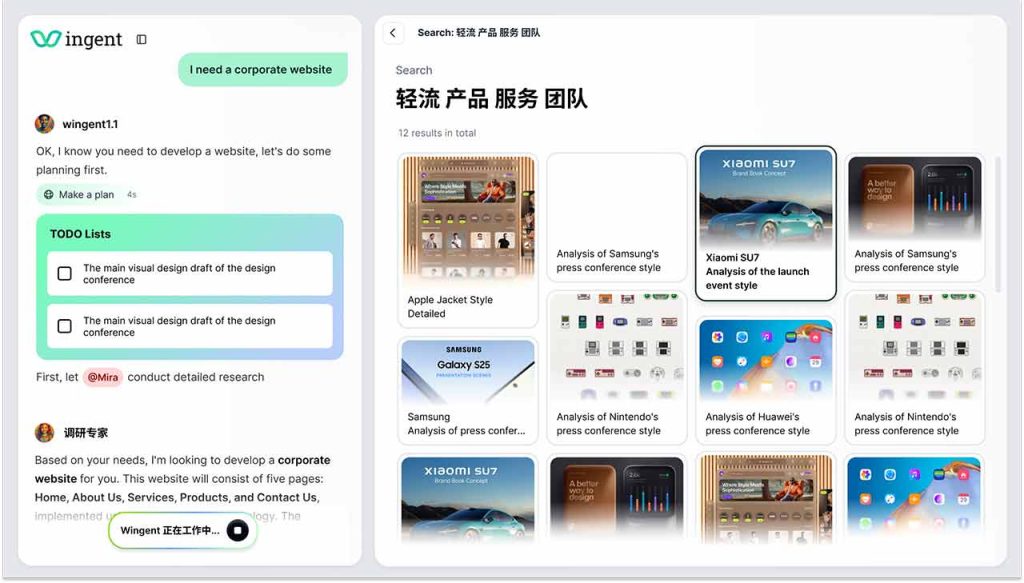
From pioneering AI-powered no-code platforms to setting its sights on global expansion, Shanghai Yixiao Information Technology represents the next generation of enterprise transformation—one where anyone, anywhere, can build powerful digital systems without writing a single line of code.
Through K-Startup Grand Challenge 2025, the company has not only discovered Korea’s potential but also proven how innovation thrives when accessibility meets intelligence.
About This Series
This article is part of the “K-Startup Grand Challenge 2025 Interview Series,” featuring 40 global startups from Phase 2 of Korea’s leading accelerator program. The series highlights how international founders are scaling innovation through Korea’s startup ecosystem.
Read more stories from the K-Startup Grand Challenge 2025 Interview Series on KoreaTechDesk.
🤝 Looking to connect with verified Korean companies building globally?
Explore curated company profiles and request direct introductions through beSUCCESS Connect.
– Stay Ahead in Korea’s Startup Scene –
Get real-time insights, funding updates, and policy shifts shaping Korea’s innovation ecosystem.
➡️ Follow KoreaTechDesk on LinkedIn, X (Twitter), Threads, Bluesky, Telegram, Facebook, and WhatsApp Channel.