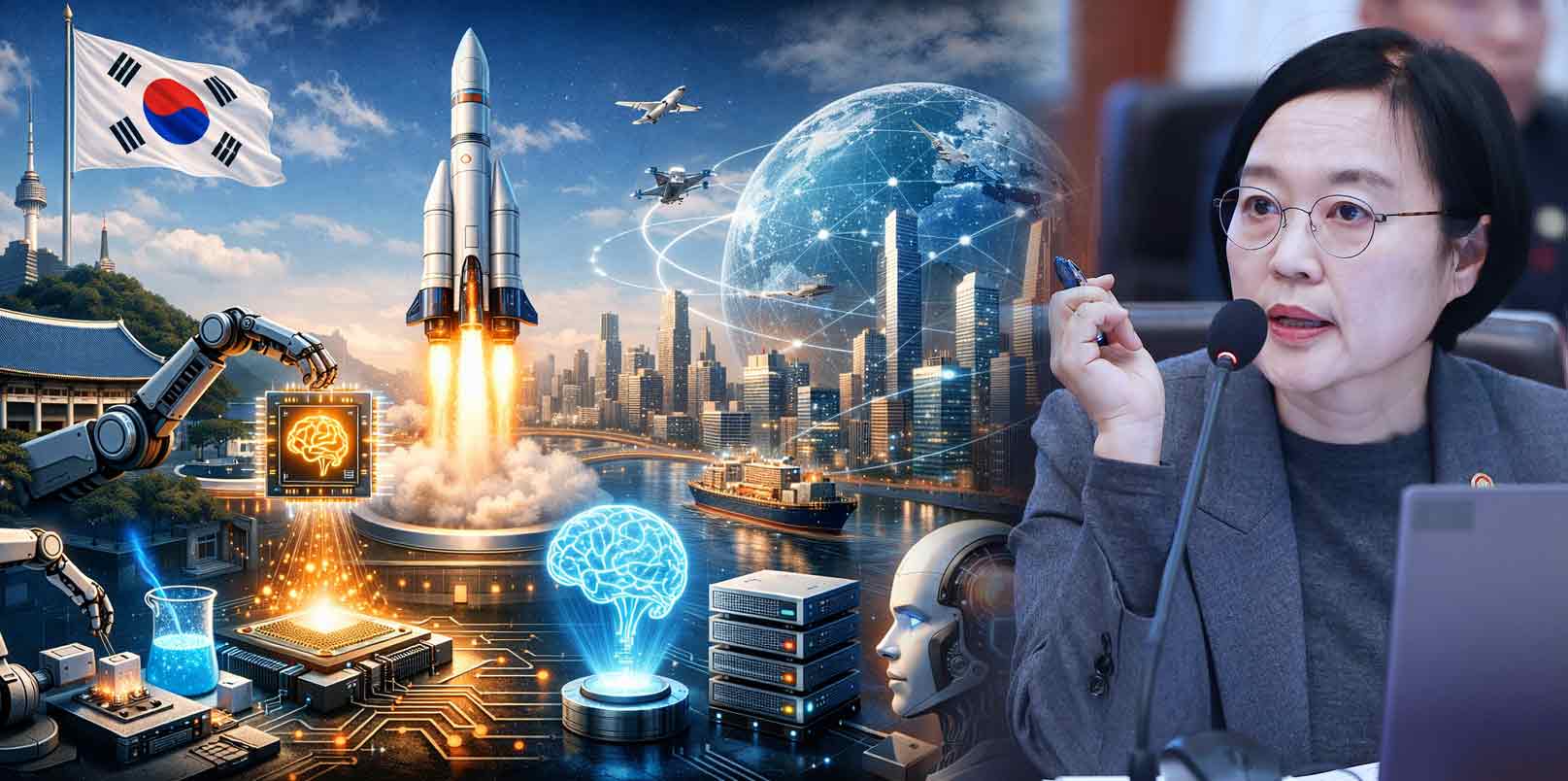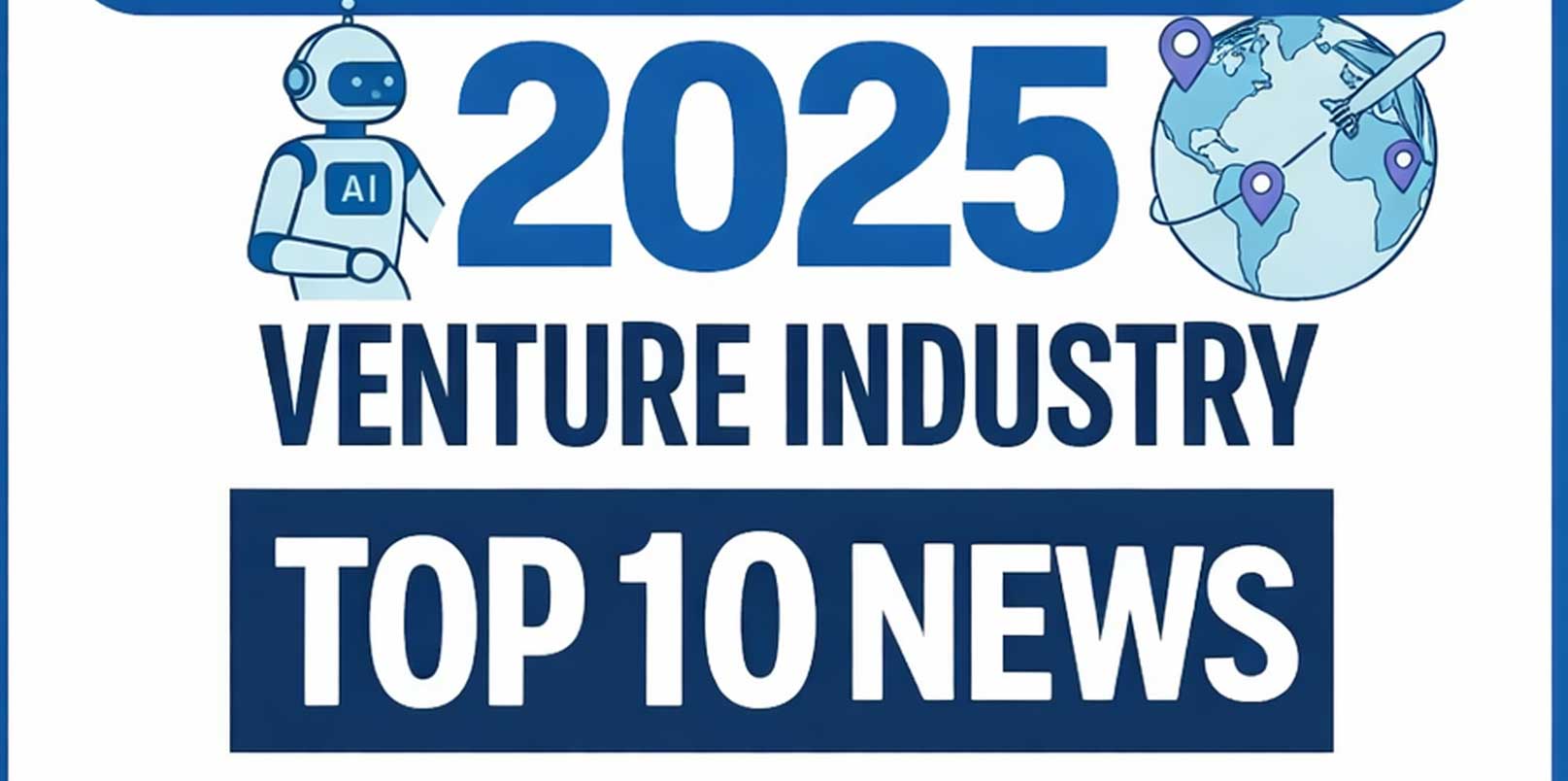
Korea’s startup ecosystem enters 2026 with quiet urgency. KOVA’s Top 10 Venture Industry News Report shows that during the past year, innovation alone cannot define a venture economy. Structure, governance, and resilience now matter just as much as speed. As AI deepens its roots and private capital returns in force, Korea’s challenge is no longer how fast it can grow, but how wisely it can evolve into a truly global venture powerhouse.
A Turning Point for Korea’s Venture Identity
As Korea steps into 2026, its startup ecosystem stands at a critical inflection point. The past year has been defined by both momentum and imbalance—record-level venture capital recovery, concentrated AI investments, and mounting pressure for policy reform.
According to the Korea Venture Business Association’s (KOVA) “Top 10 Venture News of 2025,” the nation’s innovation economy has entered a structural transformation phase. The expansion of the AI industry, diversification of private capital, and recalibration of regulatory frameworks are redefining how Korea envisions its next decade of entrepreneurship.

AI Expansion Drives Korea’s Innovation Economy
AI emerged as the dominant growth engine of 2025. Across multiple analyses from KOVA, AI’s rapid integration across sectors reshaped corporate strategies, startup formation, and national policy priorities.
KOVA emphasized that the AI industry is expanding in every direction, fueling a surge in AI startups and enterprise adoption through “AI transformation (AX).” However, the Association also warned that the race for innovation exposed systemic challenges—limited access to cloud and GPU infrastructure, rising competition for AI engineers, and the outflow of top technical talent to global firms.
The Association identified talent retention and ecosystem resilience as Korea’s most urgent priorities if the nation intends to compete at the same scale as the United States and China in AI-driven industries.
Private Capital Returns, But Concentration Persists
After two years of global market slowdown, Korea’s venture investment market showed strong recovery in 2025, surpassing KRW 9.8 trillion (~ USD 7.4 billion) during the first three quarters and breaking KRW 4 trillion in the third quarter alone—its highest since 2021.
Yet, behind the rebound lies a structural imbalance. While investment volume surged, the number of funded startups fell by 9% year-over-year, indicating capital concentration toward later-stage or proven ventures rather than early-stage innovators.
Hence, the data reflected a clear pattern, showing that AI and deeptech firms attracted the majority of large-scale deals, led by semiconductor developers such as Rebellions and FuriosaAI, which together secured more than KRW 500 billion in late-stage funding rounds.
In contrast, early-stage startups continued to face financing headwinds—a challenge KOVA described as the “startup winter within an investment spring.”
Policy Reform and Governance: The Next Phase of Growth
2025 also reignited debate around Korea’s venture policy and regulatory frameworks.
With the government announcing the “Venture Top 4 Nation Strategy” and the Comprehensive Plan for Startup Leap by 2030, South Korea declares its ambitious goal of cultivating 10,000 AI and deeptech startups, foster 50 unicorns and decacorns, and expand the venture capital market to KRW 40 trillion annually.
Legislative changes passed in late 2025—such as the Venture Investment Act and Venture Business Act amendments—extended the duration of the national Fund of Funds (Mother Fund) and raised stock option issuance limits from KRW 5 billion to KRW 20 billion, signaling stronger policy backing for founder incentives and capital fluidity.
However, KOVA’s policy advisors caution that reforms must also protect founders’ rights and balance compliance with flexibility. The reemergence of the “founder joint liability” debate underscored persistent legal risks that can stifle entrepreneurship.
Labor Flexibility and Regulatory Reset
Among the top issues of 2025, the need for flexible working hours in venture and startup environments gained unprecedented attention. As Korea’s rigid 52-hour workweek model collides with the fast-paced nature of tech startups, policymakers and founders are calling for a differentiated framework tailored to innovation-driven industries.
Simultaneously, innovation regulations reemerged, with renewed discussion around the “Doctor Now Prevention Bill,” reflecting Korea’s ongoing tension between technological disruption and public-sector oversight.
Analysts warn that overly restrictive rules could slow the commercialization of digital health and other frontier industries that underpin Korea’s next growth wave.
Stakeholder Perspectives: Rebuilding Momentum Through Structure
Professor Lee Chun-woo of the University of Seoul, a policy advisor to KOVA said,
“The Top 10 News shows that Korea’s venture industry now faces both cyclical recovery and structural reform.
AI expansion, investment recovery, regulation, and capital-market reform will determine the ecosystem’s long-term competitiveness.”
KOVA Chairman Song Byung-jun added:
“2025 was a year of structural transition—AI expansion, regulatory shifts, and labor environment changes all converged.
The Association will continue supporting policy improvement and innovation speed to ensure Korea achieves its goal of becoming one of the world’s top four venture powerhouses.”
Redefining Korea’s Venture Identity in 2026
The convergence of AI growth, private capital influx, and governance reform is steering Korea toward a new venture identity—one defined not by quantity of startups but by quality of scale, resilience, and institutional maturity.
The shift marks a broader realignment within Asia’s innovation landscape. Where Japan focuses on industrial R&D and Singapore emphasizes cross-border finance, Korea’s strength lies in deeptech commercialization and state-backed venture infrastructure.
Therefore, the challenge for 2026 and beyond will be ensuring inclusivity—bridging the widening gap between early-stage founders and late-stage champions.
2026 as the Year of Venture Alignment
And so, 2026 opens with a sense of recalibration. Korea’s innovation ecosystem has matured, yet it must confront its uneven growth structure. The next phase requires not only capital and technology but also a renewed governance culture—one that balances ambition with accountability and scales innovation sustainably across regions and sectors.
Korea’s journey toward becoming a top-tier venture powerhouse will depend on how effectively it aligns AI infrastructure, private capital, and regulatory frameworks into a cohesive growth model—one that strengthens not only startups but the institutional fabric that sustains them.
If 2025 was the year Korea rediscovered momentum, 2026 must be the year it redefines direction.
🤝 Looking to connect with verified Korean companies building globally?
Explore curated company profiles and request direct introductions through beSUCCESS Connect.
– Stay Ahead in Korea’s Startup Scene –
Get real-time insights, funding updates, and policy shifts shaping Korea’s innovation ecosystem.
➡️ Follow KoreaTechDesk on LinkedIn, X (Twitter), Threads, Bluesky, Telegram, Facebook, and WhatsApp Channel.