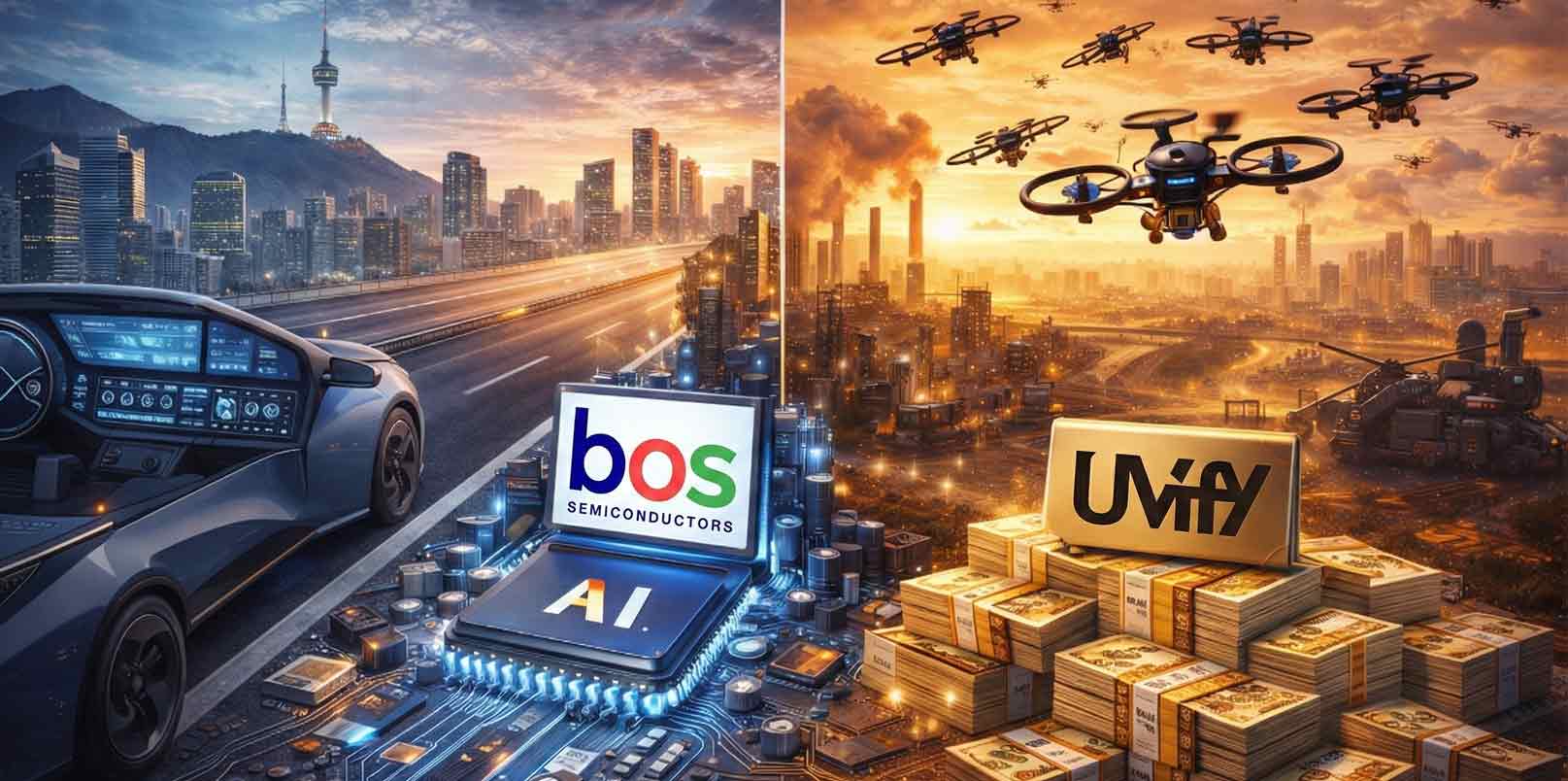
Korea’s startup scene, once powered by rapid platform expansion, is now entering a period of correction. As the global AI wave reshapes venture priorities, the country’s unicorn count has not only stagnated but fallen behind major peers. The declining shift of Korea’s unicorns exposes structural limits in how the country builds, funds, and sustains high-value innovation.
Korea’s Unicorn Boom Turns into a Slowdown
According to Seoul Economic Daily citing CB Insights data, Korea has not produced a significant new unicorn since its 2022 peak. Between 2015 and October 2025, the country recorded 24 unicorns, but 10 emerged in 2022 alone, followed by none in 2023 and only one each in 2024 and 2025 — Ably and Rebellions respectively.
By contrast, the United States continues to dominate, creating multiple AI-centered unicorns such as OpenAI, Anthropic, and xAI. China maintains global presence through ByteDance and Xiaohongshu, while India’s Oyo Rooms represents a steady rise in South Asia.
Korea’s early-generation unicorns — Coupang, Baedal Minjok, Krafton, Musinsa, and Toss — remain its most recognized success stories.
On the other hand, others have struggled: Wemakeprice filed for bankruptcy in 2025, Yellow Mobile shut down a year earlier, and Tridge faced capital erosion. Several, including Kurly, Zigbang, and Ridi, saw their valuations drop below original expectations.
Background and Context: A Post-Peak Reality Check
The latest data confirms what analysts had already warned by late 2025: Korea’s unicorn creation rate is losing speed. While global unicorn counts surpassed 1,200, Korea’s growth nearly stalled.
The problem lies in structural imbalance. Many of Korea’s unicorns emerged from domestic consumer platforms rather than deep-tech sectors. In contrast, the world’s most valuable startups are now concentrated in AI, semiconductor, and robotics, reflecting a decisive pivot toward B2B innovation.
Adding to the challenge, venture policy fragmentation and heavy government dependence make it harder for startups to scale globally. Policy funding often narrows once firms relocate headquarters abroad or expand international revenue streams, limiting Korea’s ability to nurture export-oriented ventures.
Stakeholder Insights: Inside the Ecosystem Disconnect
Industry observers cited by Seoul Economic Daily warn that Korea’s innovation ecosystem risks further contraction if structural gaps persist.
Startups initially thrive under state-driven incubators or conglomerate partnerships, but growth momentum fades once they mature. Corporate venture capital (CVC) programs — run by major chaebol groups — focus more on acquiring technology and talent than on sustaining independent scale-ups.
A founder who exited via a CVC deal explained that much of a startup’s intellectual capital is absorbed long before acquisition, leaving little room for long-term autonomy. This “technology transfer loop” has made it difficult for Korean startups to become global contenders, even when they reach unicorn valuation.
Ecosystem Significance: Korea’s Position in a Shifting Global Market
Globally, AI now accounts for over half of all venture capital allocations, with U.S. startups capturing nearly three-quarters of that funding. This dynamic marks a profound divide between economies that build technology providers and those that remain technology adopters.
Korea’s policy-driven ecosystem — once credited for democratizing entrepreneurship — now faces a turning point. Its deep-tech players like Rebellions and Furiosa AI show potential to lead Asia’s semiconductor AI scene, yet they remain exceptions, not the norm. Furiosa AI reached a 1 trillion-won valuation in 2025 and even drew acquisition interest from Meta, but such milestones remain rare.
Without a recalibration toward private-sector capital formation, global partnerships, and B2B-driven innovation, Korea risks being outpaced by markets that have aligned policy, venture funding, and deep-tech growth into a single continuum.
Conclusion: A Crossroads for Korea’s Next Growth Chapter
The data signals more than a temporary slowdown. It reflects a systemic inflection point where Korea must decide if its startup ecosystem will remain domestically anchored or evolve into a global technology powerhouse.
Bridging the gap requires structural reform — integrating private capital with state support, incentivizing deep-tech R&D, and ensuring CVCs serve as growth partners rather than acquisition funnels. Korea’s next venture decade will depend on whether it can shift focus from creating unicorns to sustaining scalable innovation that competes on a global stage.
Key Takeaways on Korea’s Unicorn Slowdown
- Korea’s unicorn creation peaked in 2022, with none in 2023 and only Ably (2024) and Rebellions (2025) added since.
- U.S. and Chinese startups continue leading global valuations, driven by AI-centric investment.
- Many Korean unicorns in consumer platforms now face valuation declines or closures.
- Heavy reliance on government funding and CVC absorption is limiting startup independence.
- Industry experts warn of deepening gaps as global venture capital flows toward B2B and deep-tech.
- Korea’s next growth phase depends on structural reform enabling private capital, global scale, and sustainable innovation.
🤝 Looking to connect with verified Korean companies building globally?
Explore curated company profiles and request direct introductions through beSUCCESS Connect.
– Stay Ahead in Korea’s Startup Scene –
Get real-time insights, funding updates, and policy shifts shaping Korea’s innovation ecosystem.
➡️ Follow KoreaTechDesk on LinkedIn, X (Twitter), Threads, Bluesky, Telegram, Facebook, and WhatsApp Channel.