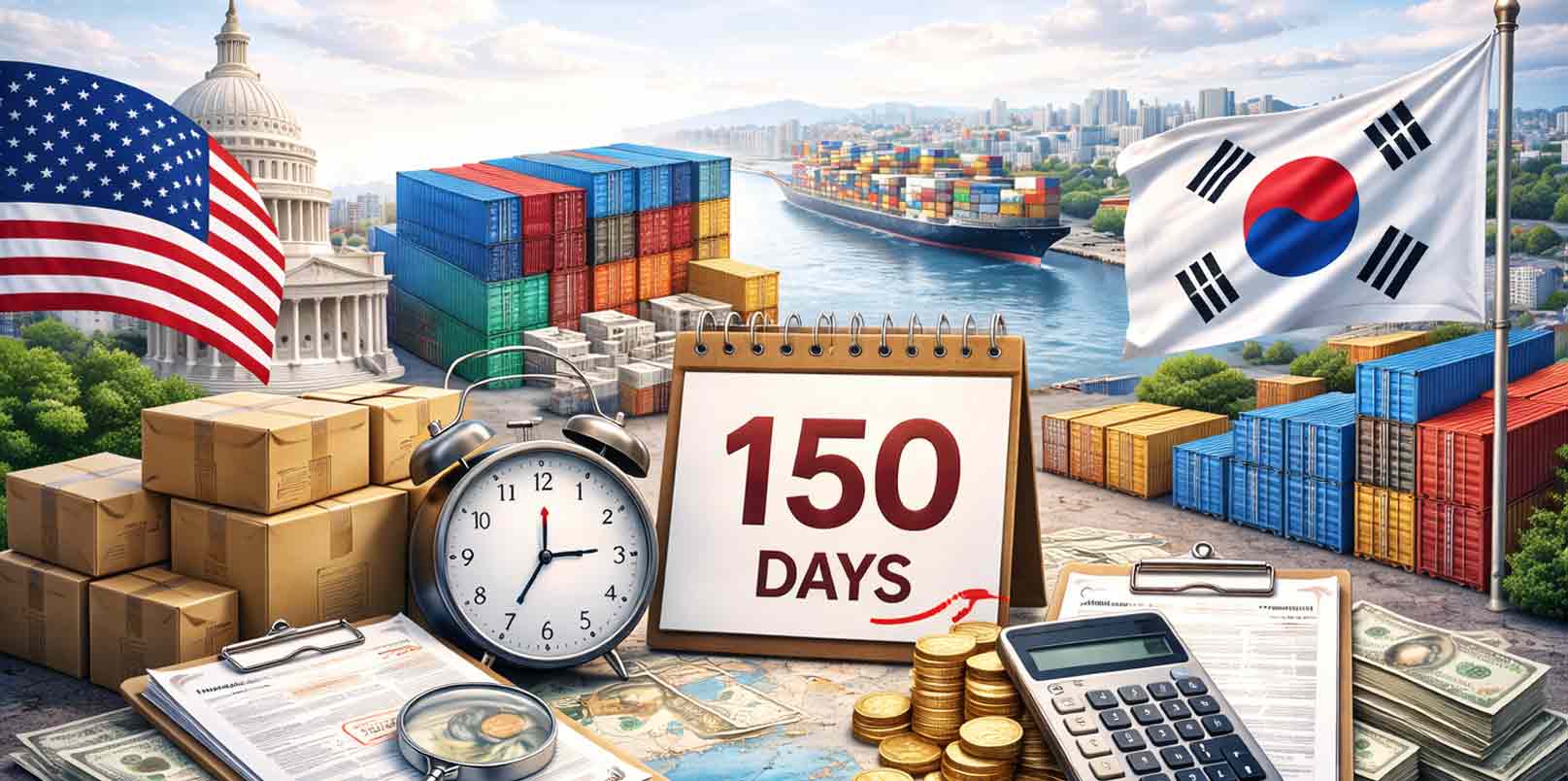
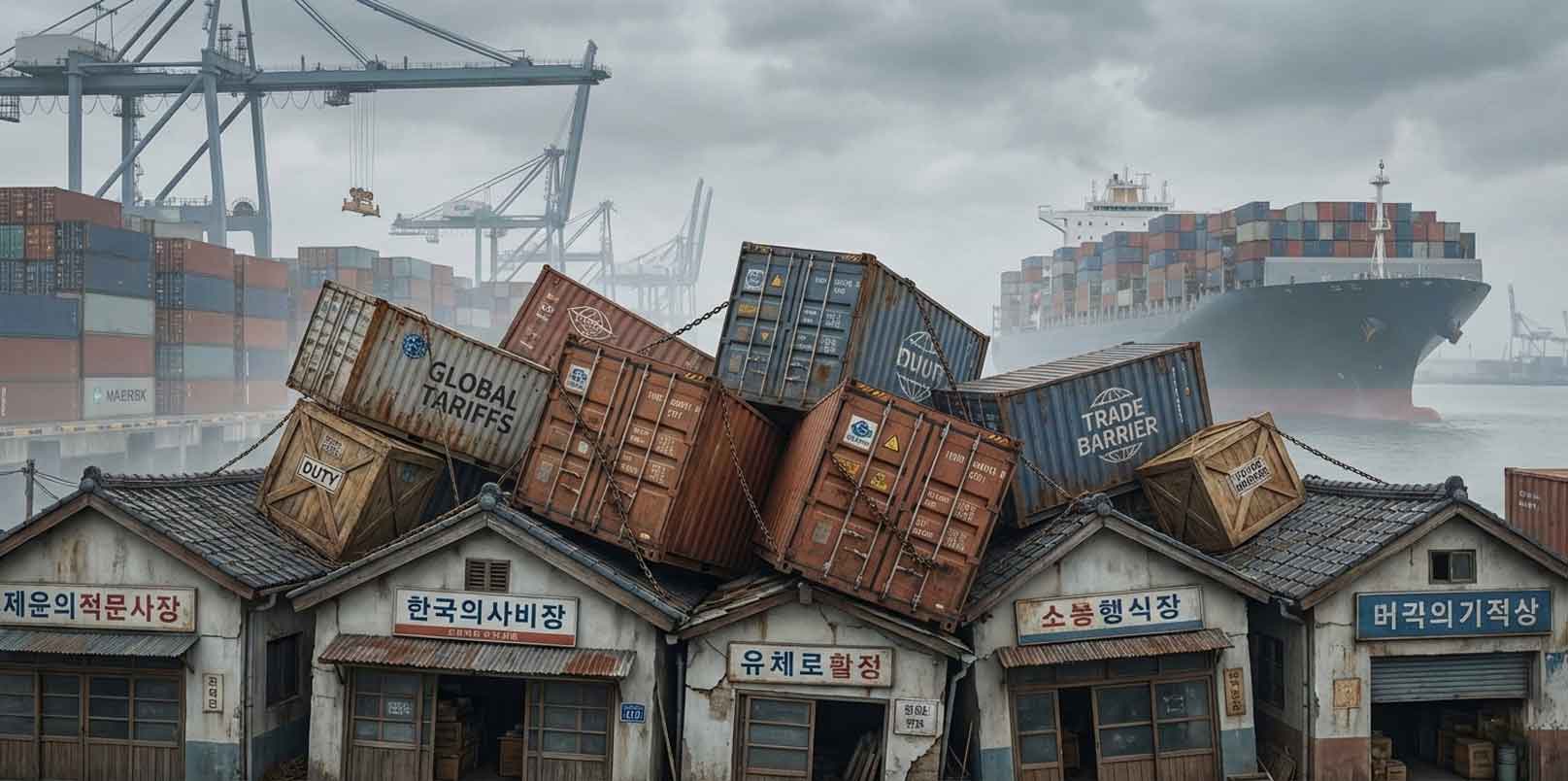
Amid Korea’s drive to transform its manufacturing base through artificial intelligence, small and medium-sized enterprises (SMEs) are demanding immediate relief from trade pressures that threaten to undercut competitiveness. The latest meeting between the Korea Federation of SMEs (KBIZ) and the Ministry of Trade, Industry and Energy (MOTIE) underscored a growing tension: Korea’s industrial future cannot be sustained on innovation alone without structural solutions to tariff and cost burdens.
Industrial Policy Meeting Highlights SME Strain
At the December 18 meeting in Yeouido, Seoul, the Korea Federation of SMEs met with Minister Kim Jeong-gwan of MOTIE to discuss pressing industrial and trade issues. Representatives from key sectors—including automotive components, manufacturing, and materials—warned that prolonged tariff disputes, soaring raw material prices, and intensified competition from China are eroding Korea’s industrial foundation.
KBIZ Chairman Kim Ki-moon urged closer cooperation with the government to address high U.S. tariffs and derivative steel and aluminum duties that continue to weigh heavily on SME exporters.
The chairman said,
“Korea’s industrial competitiveness comes not from large corporations alone but from an ecosystem where SMEs and major manufacturers collaborate across materials, components, and equipment.
We must tackle unresolved issues such as excessive tariffs alongside the M.AX initiative if we want manufacturing innovation to take root.”
“M.AX,” is MOTIE’s flagship industrial policy, merges manufacturing (M) with AI Transformation (AX) to enhance productivity and digital integration across industrial supply chains.
Minister Kim acknowledged the structural challenges, saying:
“Our economy is undergoing rapid industrial restructuring amid AI innovation, overcapacity in key sectors, and global supply chain shifts triggered by U.S. tariffs.
We will strengthen SME export capabilities and global competitiveness to ensure sustainable industrial growth.”
Tariff Tensions Threaten Manufacturing Momentum
The SME community’s call for tariff resolution follows a series of trade shocks that have intensified throughout 2025.
Korea’s steel sector faces simultaneous headwinds from U.S. tariff hikes of up to 50% and Vietnam’s recent anti-dumping duties on galvanized steel. These developments have exposed the limits of Korea’s existing trade diplomacy and highlighted the vulnerability of SME-heavy export categories.
While the Korea–U.S. Joint Fact Sheet secured tariff clarity for automobiles, semiconductors, and pharmaceuticals, legacy manufacturing sectors such as steel and aluminum were excluded. This disparity has widened the competitiveness gap between high-tech exporters and SME manufacturers that remain trapped in outdated tariff frameworks.
Meanwhile, the Ministry of SMEs and Startups (MSS) has begun implementing resilience measures for affected exporters, introducing diversification and R&D support programs to help manufacturers adapt to the new protectionist landscape.
Calls for Coordinated Action
KBIZ’s leadership emphasized that the next phase of industrial strategy must combine policy vision with operational relief. Chairman Kim reiterated that the success of the M.AX agenda depends on synchronized tariff, financing, and technology policies.
One SME representative noted during the discussion,
“AI transformation will only strengthen competitiveness if the manufacturing base survives long enough to adopt it.”
Industry participants also requested broader government coordination to align the trade, SME, and finance ministries in addressing overlapping tariff and cost pressures.
Minister Kim responded that MOTIE would explore joint measures with the Ministry of SMEs and Startups to enhance export readiness and strengthen industrial resilience.
Testing Korea’s AI-Driven Initiatives and Possibly Harming SMEs
The SME tariff debate goes beyond short-term export friction—it represents a structural test for Korea’s industrial transformation model. As AI-driven initiatives like M.AX redefine production efficiency and value chains, unresolved tariff burdens risk excluding SMEs from the very transformation they are meant to benefit from.
Korea’s manufacturing economy remains deeply interconnected: SME suppliers form the backbone of component production for automotive, electronics, and materials industries. Persistent tariff barriers threaten to destabilize this ecosystem, undermining MOTIE’s broader goal of scaling SMEs into globally competitive mid-sized enterprises.
Furthermore, the ongoing U.S. and Vietnam trade disputes demonstrate how industrial protectionism is no longer limited to traditional sectors. As Korea integrates AI and deep-tech capabilities into manufacturing, trade vulnerabilities could extend to emerging industries, including smart materials and digitalized logistics.
Toward a Resilient AI-Driven Industrial Ecosystem
Korea’s industrial policy now faces a dual imperative: advance the AI transformation agenda while defending SMEs from escalating trade pressures. The meeting between KBIZ and MOTIE signals that tariff diplomacy must evolve in parallel with digital transformation strategies.
As previously noted, Korea’s economic agreements with the U.S. reduced tariff risks for technology-intensive sectors but left SME-heavy industries behind. Addressing this imbalance through coordinated trade and innovation policy could define how Korea navigates the next decade of industrial change.
The path forward requires integrating M.AX-driven innovation with tangible relief measures—fairer tariffs, diversified export routes, and AI-enabled productivity upgrades. Only through this balance can Korea sustain its manufacturing competitiveness and secure its place as a resilient, AI-empowered industrial hub in an increasingly protectionist world.
– Stay Ahead in Korea’s Startup Scene –
Get real-time insights, funding updates, and policy shifts shaping Korea’s innovation ecosystem.
➡️ Follow KoreaTechDesk on LinkedIn, X (Twitter), Threads, Bluesky, Telegram, Facebook, and WhatsApp Channel.
🤝 Looking to connect with verified Korean companies building globally?
Explore curated company profiles and request direct introductions through beSUCCESS Connect.