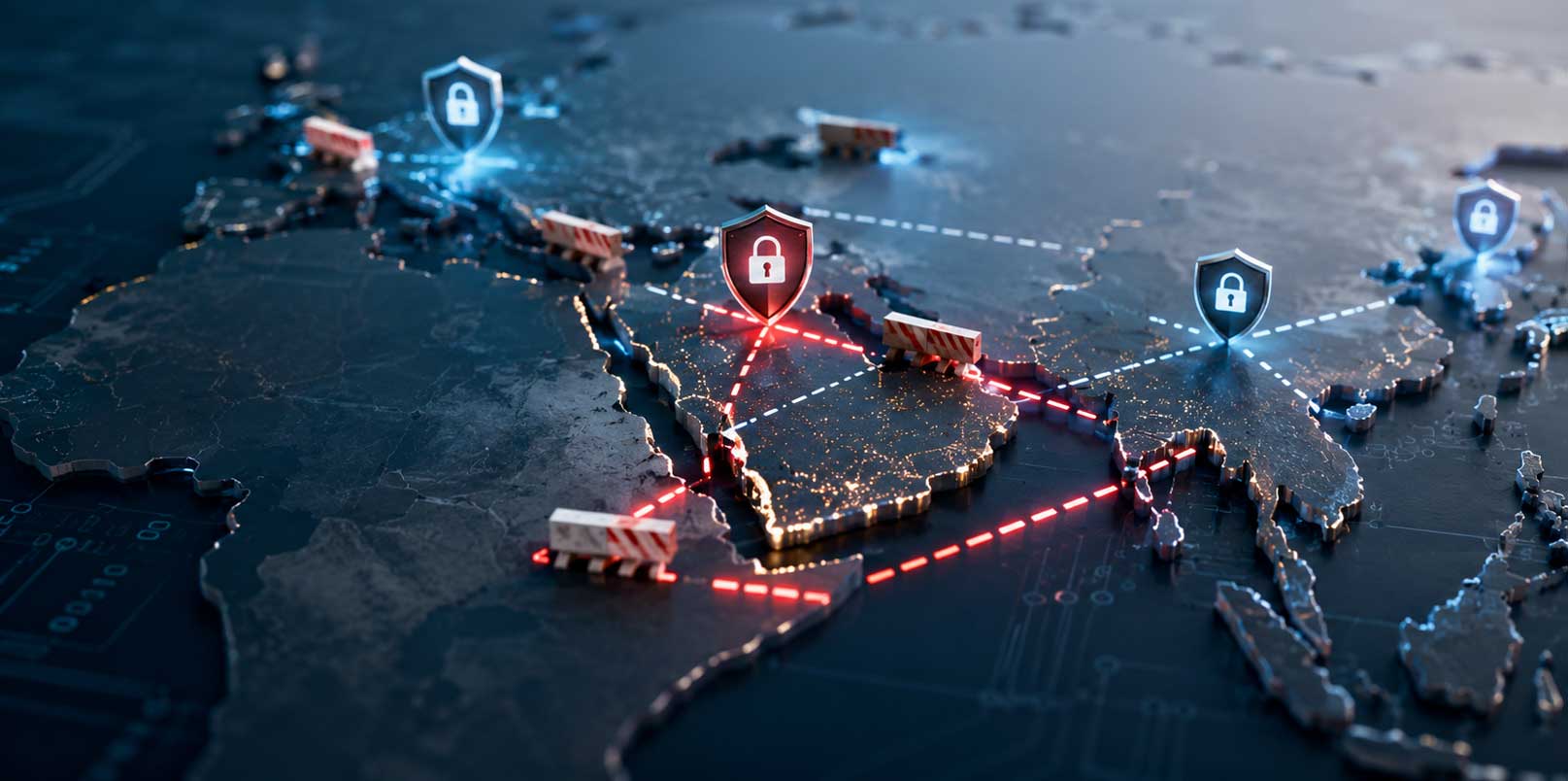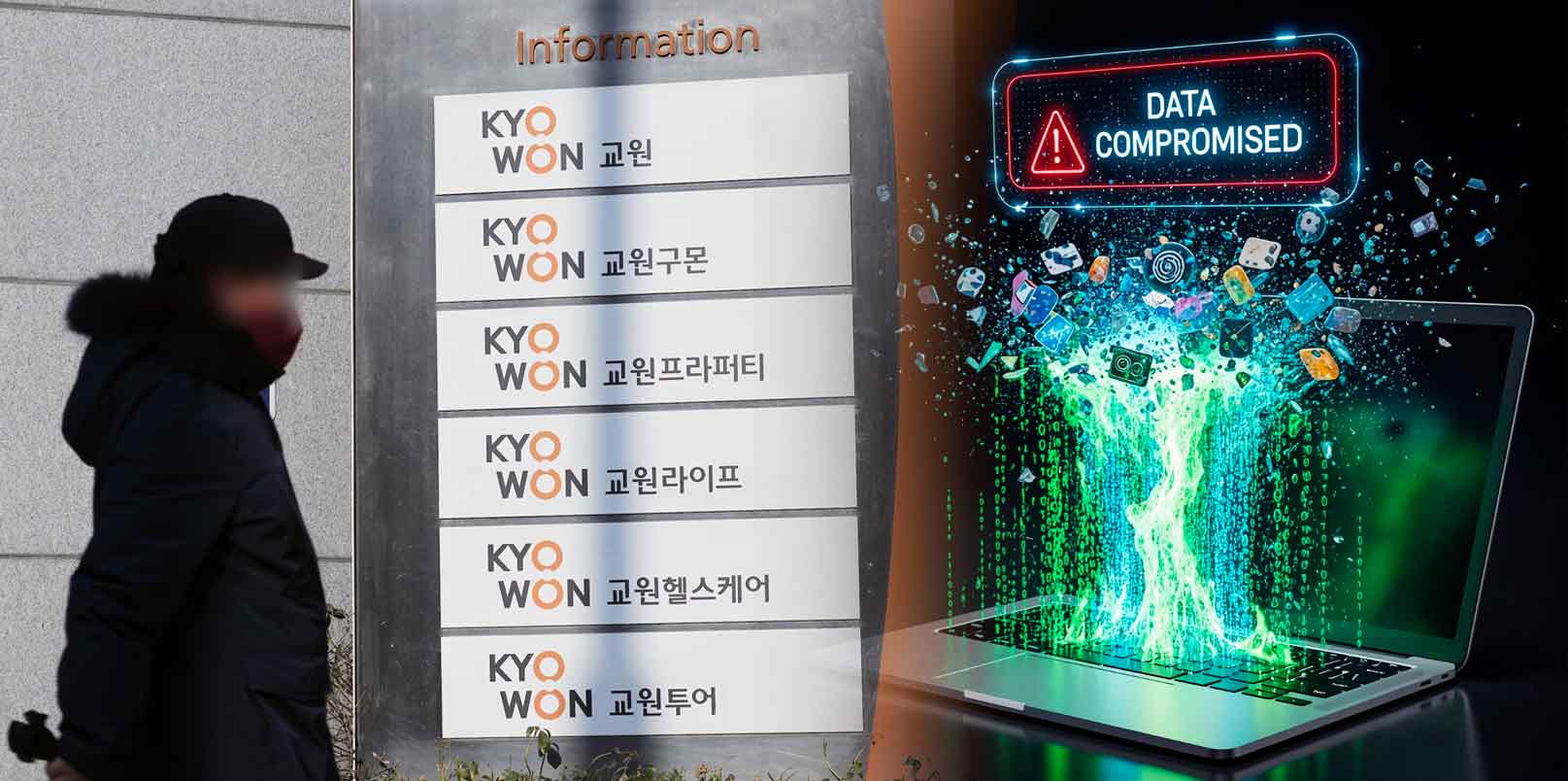

As cyberattacks ripple across Korea’s telecom, education, and e-commerce industries, mid-tier corporations are confronting a truth long avoided: security is governance. Following the Kyowon ransomware breach and a string of corporate data incidents, companies once considered low-risk are investing heavily in defense infrastructure and internal accountability. The shift signals a new era where digital trust defines corporate credibility as much as growth metrics do.
Korean Mid-Tier Firms Reinforce Cybersecurity Amid Expanding Attacks
In January 2026, a series of cyberattacks on Korean enterprises, such as Coupang, Upbit, and Kyowon, triggered a wave of cybersecurity upgrades across mid-tier corporates and service sectors.
Rental and education companies—traditionally outside the core of Korea’s tech defense ecosystem—are now fortifying their systems in response to the Kyowon ransomware incident that disrupted operations across its subsidiaries earlier this month.
Industry data shows companies such as Coway, Chungho Nais, Cuckoo Homesys, Daekyo, and Boram Group have launched full-scale security audits and infrastructure upgrades. Their moves come amid growing recognition that data protection has moved beyond IT compliance—it is now a matter of corporate governance and investor trust.
From IT Function to Board-Level Priority
Coway, Korea’s leading rental appliance company, has elevated its information security operations to a CEO-level Information Protection Office, newly appointing a Chief Information Security Officer (CISO) and Chief Privacy Officer (CPO). The restructuring signals that cybersecurity has become part of executive oversight rather than a technical back-office task.
The company has also built a multi-year roadmap covering global-standard security frameworks, data access audits, phishing defense drills, and partner company evaluations. Each initiative is tied to enterprise risk management processes.
Meanwhile, Chungho Nais modernized its Data Loss Prevention (DLP) and Document Rights Management (DRM) systems to meet the latest standards. Regular updates on vulnerability patterns and real-time monitoring are now also embedded into its monthly operations. Similarly, Cuckoo Homesys, supported by Cuckoo Holdings, has enhanced its network access controls and anti-intrusion systems, while Boram Group deployed integrated threat management tools to defend against web and network-level attacks.
In the education sector, Daekyo has reinforced access, account, and log controls as its work environment expands into cloud infrastructure. The company is transitioning from perimeter-based security to multi-layered detection systems (NDR) capable of identifying internal anomalies—a model more typical of advanced financial institutions than traditional education firms.
Industry Experts’ Warnings: SMEs Need Government-Backed Security Infrastructure
While large corporates can afford continuous system upgrades and dedicated staff, experts note that small and mid-sized firms remain exposed. Most lack the financial and human resources to maintain dedicated security teams or conduct regular response drills.
Professor Yeom Heung-ryeol of Soonchunhyang University emphasized,
“Companies need skilled security professionals and must conduct regular response drills. For SMEs, that’s often unrealistic. If they can’t build internal response and analysis capabilities, they should at least use services from external cybersecurity firms. The government should provide essential public security services tailored to SMEs.”
Echoing this, Professor Kim Seung-joo of Korea University added,
“The most common cause of security incidents in SMEs is the lack of funds and manpower. Programs like information security product rental schemes or virtual CISO services could help. SMEs could ‘rent’ professional-grade protection and management, and over time, build their own cybersecurity capabilities.”
Trust as Korea’s New Corporate Currency
The urgency surrounding corporate cybersecurity marks a shift in how Korea measures governance maturity.
The Kyowon ransomware attack and Coupang data breach have collectively exposed a weak link in Korea’s digital economy: the gap between technical innovation and institutional discipline.
Now, for Korea’s startup and venture ecosystem, this shift is instructive. As the nation advances its Digital Trust and AI Infrastructure Strategy, investors are increasingly scrutinizing how mid-tier and emerging companies manage data. Cybersecurity frameworks are becoming a precondition for funding, partnership, and even market entry.
This convergence between governance and technology has also drawn the attention of policymakers. The Korea Internet & Security Agency (KISA) has intensified corporate compliance inspections and breach reporting requirements, signaling a broader push toward institutionalized digital accountability.
A Governance Reckoning Beyond the Firewalls
Therefore, all these cyber incidents in South Korea have become more than just isolated events but signals of a systemic transition. What began as reactive defense now demands cultural and structural reform across the enterprise landscape.
From these cases, global ecosystem players can now derive a crucial lesson: data security is not a compliance checkbox but a corporate covenant. For mid-tier firms navigating global expansion, proving resilience is as critical as proving profitability.
The next stage of Korea’s digital transformation will hinge not only on innovation but on discipline—the kind that makes digital trust the true backbone of competitiveness.
🤝 Looking to connect with verified Korean companies building globally?
Explore curated company profiles and request direct introductions through beSUCCESS Connect.
– Stay Ahead in Korea’s Startup Scene –
Get real-time insights, funding updates, and policy shifts shaping Korea’s innovation ecosystem.
➡️ Follow KoreaTechDesk on LinkedIn, X (Twitter), Threads, Bluesky, Telegram, Facebook, and WhatsApp Channel.