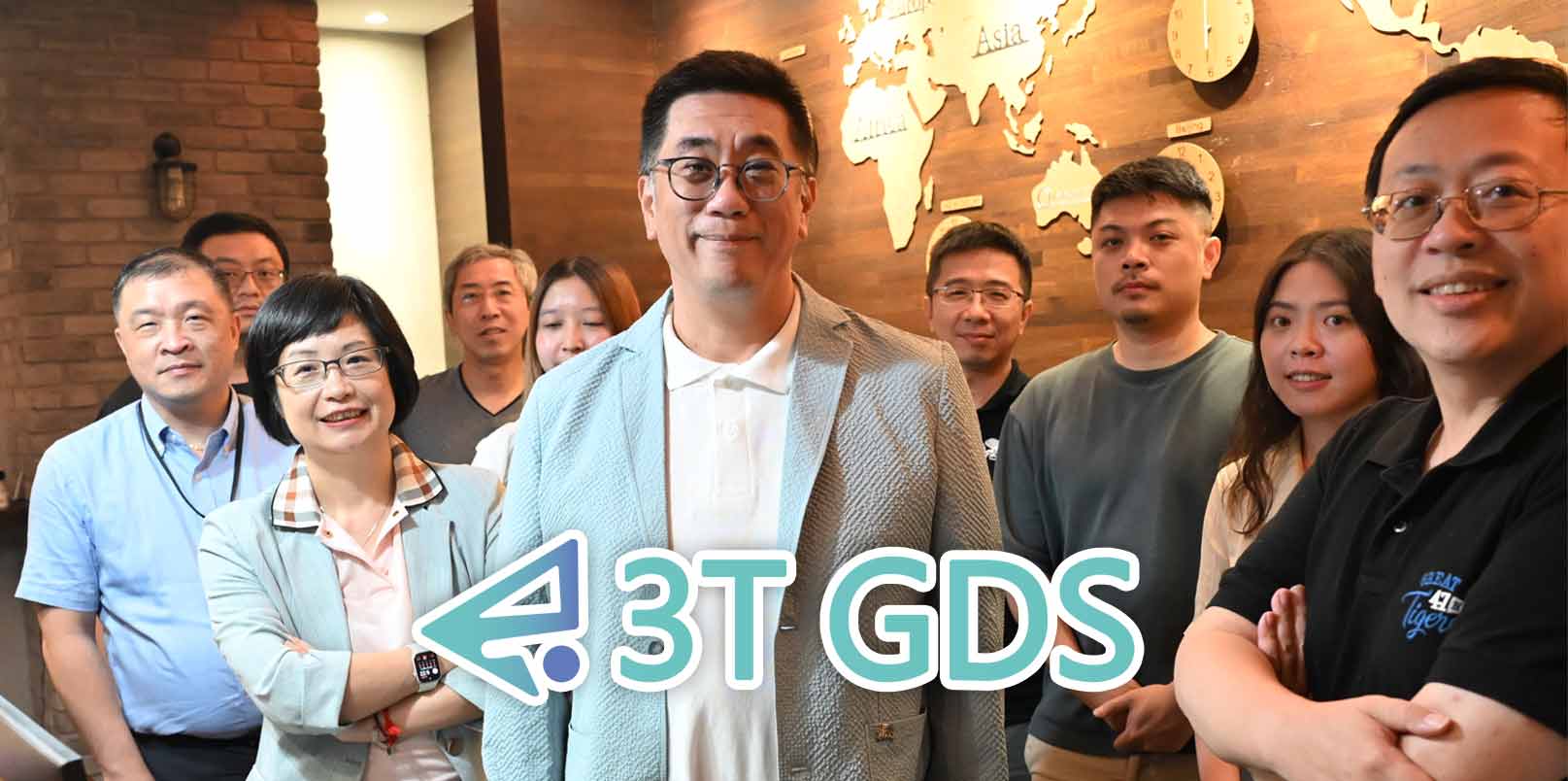
As cross-border travel accelerates across Asia, Singapore-based 3T GDS is reimagining how travelers access local deals through trusted digital channels. The company, founded by David Lin, a serial entrepreneur in the travel commerce sector with a successful exit history, joined K-Startup Grand Challenge (KSGC) 2025 Phase 2 to expand its cross-border e-voucher infrastructure in Korea—a market known for advanced digital infrastructure and rising inbound tourism.
K-Startup Grand Challenge (KSGC) is Korea’s flagship government-backed accelerator helping global startups expand into Asia through access to funding, partners, and institutional support. And KoreaTechDesk spoke with founder David Lin about 3T GDS’s growth, insights, and future through its participation in the program.
3T GDS Founding Vision: Creating Trust in Global Digital Voucher Distribution
Q1. What motivated you to start this company, and what core problem were you trying to solve?
3T GDS was founded to solve a long-standing issue in digital voucher distribution. In Taiwan, many consumers once lost money when voucher-issuing companies went bankrupt, which led the government to mandate that all voucher payments be held in bank trust accounts until redemption.
This framework built stronger security and transparency. Seeing its success, 3T GDS identified an opportunity to expand this trust-based model globally—especially to Korea, where cross-border digital voucher demand is rising but still lacks a unified, scalable system.
As international travel increases, travelers expect instant access to local deals upon arrival. Yet brands, telecom operators, and e-wallet providers struggle to deliver these experiences because current systems are fragmented, difficult to integrate, and not optimized for real-time localization or cross-border redemption. While telecom and financial platforms already have strong user trust, they lack a shared infrastructure for distributing curated, country-specific vouchers.
There is no standardized global distribution system capable of providing localized digital vouchers to travelers in real time today. 3T GDS fills this gap through a white-label, API-first, cross-border e-voucher engine designed for telecoms, online travel agencies (OTAs), banks, and e-wallet partners.
Finding Market Fit in Korea’s Tourism Rebound the 3T GDS Way
Q2. What opportunity or unmet need did you identify in the Korean market, and what early signals convinced you that your solution could gain real traction here?
Korea’s post-pandemic tourism rebound revealed a major gap in connecting inbound travelers with local deals. Visitors from Taiwan, China, Singapore, and across Asia-Pacific wanted immediate access to local offers, but Korean merchants lacked an effective channel to reach them through digital partners such as OTAs, telecoms, banks, or e-wallets.
At the same time, Korean telcos and travel platforms were actively exploring new digital revenue streams linked to inbound travelers. Market response was encouraging—partners such as Wincube Marketing, Korea Prepaid Card, Travel Wallet, and several major tourism groups expressed strong interest in integrating the 3T GDS voucher engine for travelers from Taiwan and Southeast Asia.
Meetings facilitated through KSGC reinforced this momentum, confirming that Korean partners prefer white-label, low-integration solutions, which aligns perfectly with 3T GDS’s approach.
Given Korea’s high inbound traveler volume and mature digital ecosystem, the company views it as one of the most suitable early markets to demonstrate a scalable cross-border voucher system. Supporting this view, data from 3T GDS’s Southeast Asian operations shows that traveler voucher redemption rates are three to five times higher when delivered through trusted local channels—clear validation of the model’s potential in Korea.
Mentorship That Redefined Market Entry Strategy
Q3. During KSGC, were there any mentors, partners, or specific insights that significantly influenced your product or strategy?
Mentorship during KSGC played a pivotal role in shaping 3T GDS’s Korea strategy. Advisors with deep experience in market entry and regulatory navigation provided critical guidance on enterprise onboarding, compliance, and partner expectations.
A key takeaway emerged: Korean partners prioritize reliability, legal compliance, and operational readiness even more than speed or innovation. They expect foreign startups to arrive with a concrete, Korea-specific plan—complete with local incorporation, regulatory alignment, and long-term support mechanisms.
This insight reshaped the company’s entire approach. 3T GDS accelerated plans to establish a Korean subsidiary, redesigned its API onboarding process to reflect local standards, and reframed proposals to highlight trust, transparency, and partnership longevity.
As a result, 3T GDS transitioned from being perceived as a foreign vendor to being recognized as a credible, long-term collaborator contributing to Korea’s evolving travel and digital voucher ecosystem.
Turning Validation into Action: KSGC’s Impact on 3T GDS
Q4. After joining KSGC, what has been the most meaningful change for your company and what evidence supports this growth?
KSGC created measurable progress for 3T GDS, transforming Korea from a “target market” into a confirmed expansion market with tangible partner engagement and business pathways.
Through the program’s introductions and business matchmaking sessions, the company advanced discussions with Wincube Marketing, Korea Prepaid Card, and several leading travel and lifestyle ecosystem players. With Wincube, system integration testing and agreement signing are already underway—marking the first time Korean voucher content will flow through the 3T GDS engine.
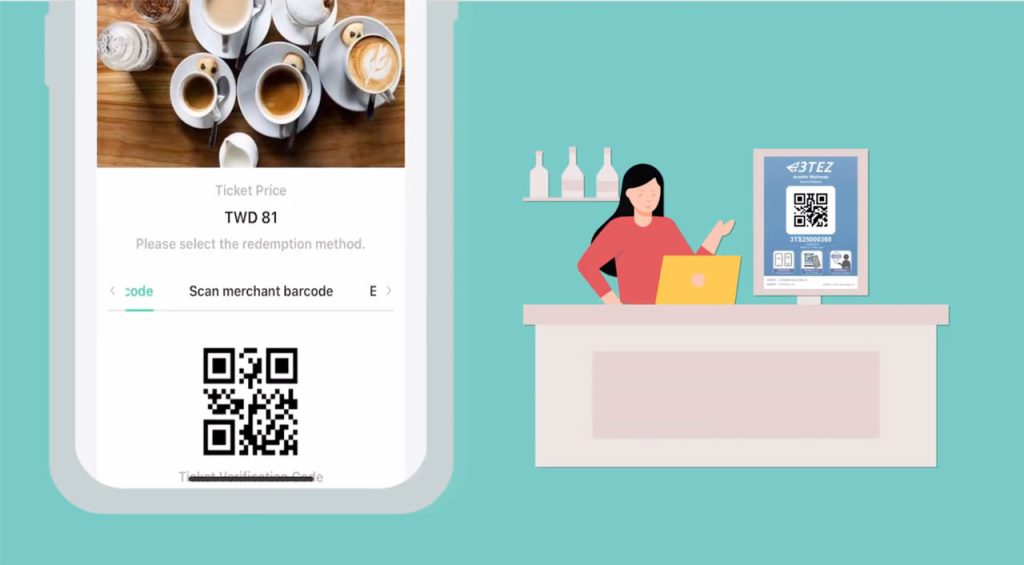
Merchant aggregators have also shown interest in supplying Korean lifestyle, retail, and F&B vouchers for inbound travelers, forming 3T GDS’s first validated Korean content pipeline.
On the product front, the company introduced Korea-specific enhancements—KRW pricing, multilingual merchant pages, and compliance adjustments for OTA and telecom integrations. These updates now allow 3T GDS to distribute over 160 Korean brand vouchers across 50+ channels in Asia-Pacific, laying the groundwork for full activation in 2026.
Internally, KSGC helped the company finalize its legal and operational structure for a Korean subsidiary, a key prerequisite for long-term contracts with enterprise partners.
Overall, KSGC transformed 3T GDS’s presence in Korea from exploratory to executable—validated by active partners, localized features, and a clear path toward revenue generation in early 2026.
Building the Future: A Two-Way Voucher Network Across Asia
Q5. Looking ahead, what is the most important vision or long-term goal your company aims to achieve, and what steps are you taking to move toward it?
3T GDS’s long-term vision is to become the global infrastructure layer for cross-border vouchers, enabling telecoms, e-wallets, and travel platforms worldwide to deliver localized deals in real time. The company aims to connect global travelers, local merchants, and trusted digital channels under a unified ecosystem for cross-border commerce.
In the next stage, 3T GDS will integrate AI-driven voucher agents to support merchant operations and blockchain/Web3 technologies to enhance trust and interoperability.
Korea will serve as the company’s Northeast Asia hub, connecting inbound travelers and outbound Korean users visiting Taiwan, Southeast Asia, China, and Japan. This two-way network will deepen partner value and drive recurring transactions.
Planned steps include:
- Establishing a Korean subsidiary (FIPA) to support telco and fintech partners.
- Launching the first Korean partner integration in early 2026.
- Expanding Korean merchant inventory to over 200 brand vouchers.
- Deploying AI-based B2B voucher agents for partner services.
- Strengthening API automation for seamless onboarding.
- Building a Korea–Southeast Asia voucher corridor linking markets across the region.
3T GDS believes Korea’s outbound travel scale and leadership in digital commerce position it as the strategic anchor for expanding a two-way e-voucher ecosystem throughout Asia.
Through K-Startup Grand Challenge 2025, 3T GDS demonstrates how global startups can turn Korea’s ecosystem insights into scalable infrastructure for cross-border digital innovation.
“We believe Korea’s strong outbound travel demand and its leadership in OTA and mobile commerce position the country and its market as a strategic anchor for scaling a two-way e-voucher network across Northeast and Southeast Asia.”
About This Series
This article is part of the “K-Startup Grand Challenge 2025 Interview Series,” featuring 40 global startups from Phase 2 of Korea’s leading accelerator program. The series highlights how international founders are scaling innovation through Korea’s startup ecosystem.
Read more stories from the K-Startup Grand Challenge 2025 Interview Series on KoreaTechDesk.
– Stay Ahead in Korea’s Startup Scene –
Get real-time insights, funding updates, and policy shifts shaping Korea’s innovation ecosystem.
➡️ Follow KoreaTechDesk on LinkedIn, X (Twitter), Threads, Bluesky, Telegram, Facebook, and WhatsApp Channel.
🤝 Looking to connect with verified Korean companies building globally?
Explore curated company profiles and request direct introductions through beSUCCESS Connect.