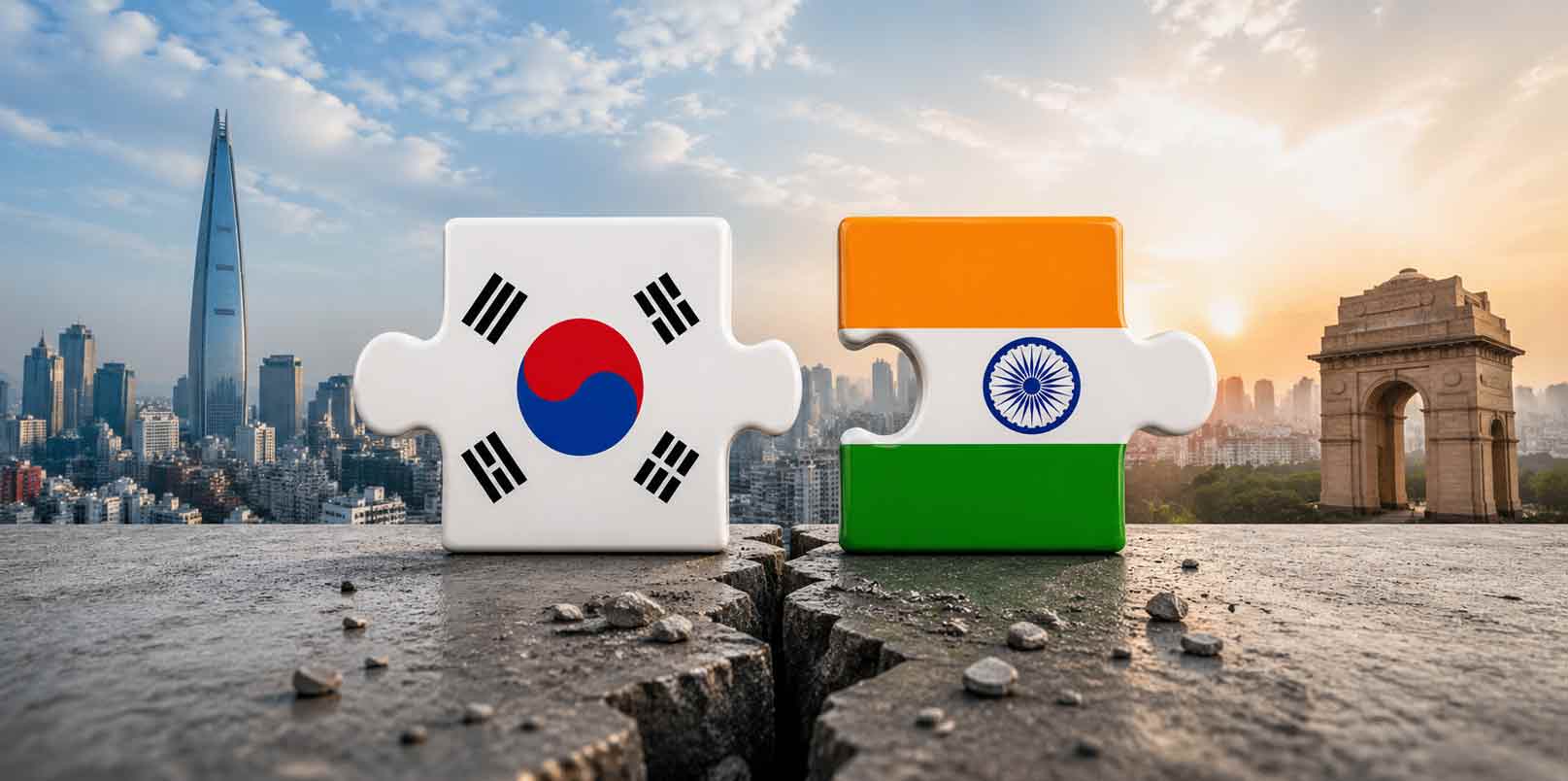

South Korea is taking its startup diplomacy to the next stage. President Lee Jae-myung’s upcoming visit to Shanghai is set to redefine Korea–China industrial engagement — not through conglomerates, but through deeptech startups. As Seoul recalibrates its approach to global innovation, the mission signals a pivotal step in aligning Korea’s AI ambitions with Asia’s most dynamic tech frontier.
President Lee to Meet China’s Leading AI Founders in Shanghai
President Lee Jae-myung will embark on a four-day state visit to China from January 4 to 7, beginning with a summit in Beijing with President Xi Jinping, before traveling to Shanghai for a special meeting with founders of China’s top AI and robotics startups.
According to officials and industry insiders, the Shanghai leg of the trip will focus on strategic discussions with China’s new generation of AI innovators — often referred to as the “China AI Tigers.”
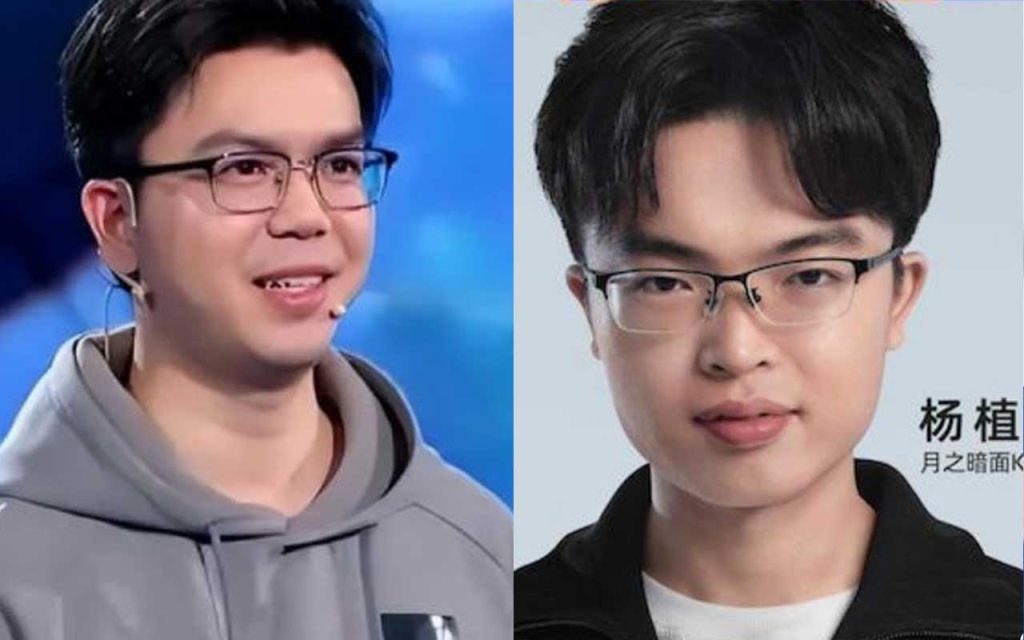
Among the likely participants is Minimax, a generative AI unicorn headquartered in Shanghai, founded in 2022 by Yan Junjie, a former vice president of SenseTime, the facial recognition giant. Another potential attendee is Agibot, a rapidly growing humanoid robotics company founded in 2023 by Peng Zhihui, a former Huawei engineer. Other startups such as Moonshot AI, led by founder Yang Zhilin, are also expected to take part.
These companies have drawn global attention for their breakthroughs in generative AI and humanoid robotics, and collectively represent China’s emerging AI power base.
A Shift from Conglomerate Diplomacy to Startup Collaboration
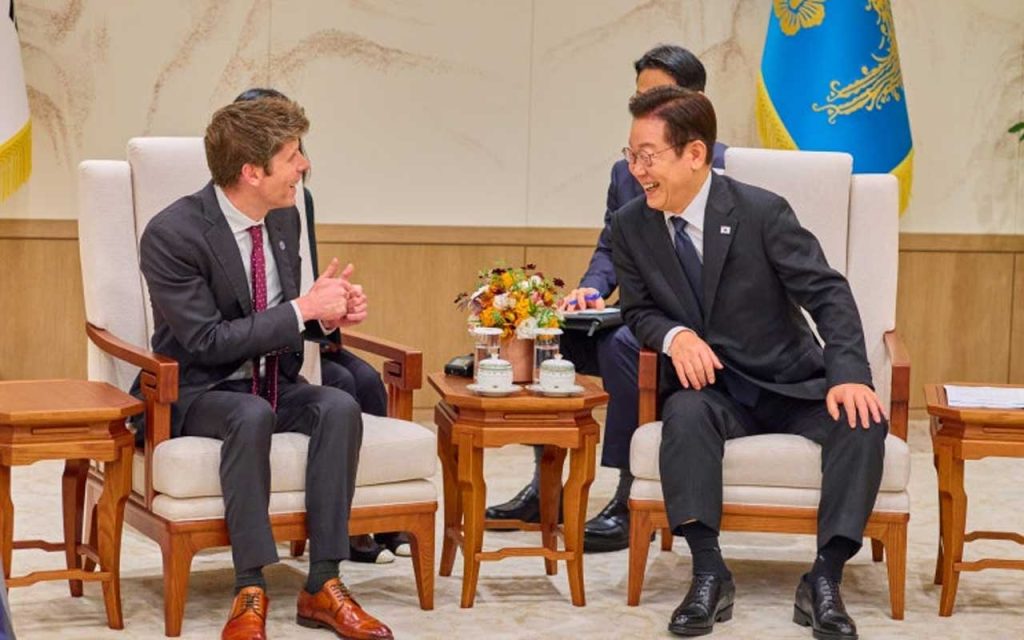
President Lee’s Shanghai meetings will mark his first direct engagement with world-recognized Chinese AI entrepreneurs since taking office. The move follows his October 2025 meeting with OpenAI CEO Sam Altman in Seoul — a symbolic start to Korea’s repositioning as a bridge in the global AI dialogue.
While the government initially considered Hangzhou, home to DeepSeek, a low-cost, high-performance AI model developer that triggered what media called the “China AI shock,” Seoul ultimately chose Shanghai. The city has become China’s focal point for global venture capital and robotics innovation, making it the ideal stage for advancing AI-focused startup diplomacy.
The decision reflects Korea’s strategic intent to engage directly with Asia’s deeptech centers — mirroring its recent efforts to deepen ties with Singapore, Japan, and the UAE through startup and venture programs.
Korea–China Business Roundtable: Building Practical Partnerships
Coinciding with President Lee’s visit, the Korean government will host a Korea–China Business Roundtable in Shanghai, joined by Korean deeptech startups, Chinese venture-backed firms, and investors. The program will include venture capital networking sessions aimed at facilitating cross-border co-investment and technology collaboration.
The roundtable represents a deliberate expansion of Korea’s economic diplomacy model. In addition to conglomerate leaders from Samsung, SK, and Hyundai Motor, this delegation includes startups and SMEs specializing in AI, robotics, and data-driven technologies.
Officials confirmed that the discussions will focus on bilateral innovation partnerships, technical collaboration frameworks, and potential co-development of AI models and robotics applications for global markets.
A New Symbol of Korea’s Innovation Diplomacy
Korea’s startup ecosystem has responded favorably to the initiative. One AI startup CEO noted,
“The President’s direct engagement with China’s leading AI founders is a strong symbolic gesture. It shows that Korea is serious about supporting startups and SMEs as front-line players in global technology diplomacy.”
The CEO then added,
“If Korea truly intends to become an AI powerhouse, strategic cooperation with China at the startup level is both inevitable and necessary.”
The sentiment underscores a broader recognition that innovation diplomacy must now evolve beyond state-to-state or corporate-to-corporate exchanges — integrating startups as equal participants in shaping global industry agendas.
Positioning Korea in the Cross-Border AI Era with Startup Diplomacy
President Lee’s Shanghai mission extends beyond symbolic diplomacy. It suggests that Seoul is actively crafting a “startup-first foreign policy”, where technology partnerships serve as the foundation for future industrial collaboration.
By fostering joint initiatives with Chinese AI and robotics ventures through this startup diplomacy, Korea can strengthen its AI value chain, accelerate cross-border talent exchange, and expand co-investment networks across Asia.
The initiative also supports the government’s ongoing effort to position Korea as a global venture hub — one capable of bridging Western and Asian tech ecosystems. With Chinese startups scaling aggressively and Korean deeptech firms seeking global exposure, the Shanghai dialogue could set the groundwork for a new regional model of AI cooperation.
Korea’s Startup Diplomacy: From Deeptech Partnerships to Policy Recalibration
Korea’s shift toward startup-driven diplomacy represents a turning point in how it pursues global innovation leadership. By engaging directly with China’s AI and robotics trailblazers, the Korean government signals that collaboration — not competition — will define its path forward in AI.
The outcomes of this mission may influence Korea’s next phase of industrial and R&D policy, reinforcing its ambition to evolve into a cross-border innovation hub. For global investors, the Shanghai meetings mark a milestone moment — where Korea’s deeptech startups step into the arena of international diplomacy as full-fledged players in the global AI race.
– Stay Ahead in Korea’s Startup Scene –
Get real-time insights, funding updates, and policy shifts shaping Korea’s innovation ecosystem.
➡️ Follow KoreaTechDesk on LinkedIn, X (Twitter), Threads, Bluesky, Telegram, Facebook, and WhatsApp Channel.
🤝 Looking to connect with verified Korean companies building globally?
Explore curated company profiles and request direct introductions through beSUCCESS Connect.