In the global startup landscape, the next frontier of competition lies not only in technology but in understanding consumers across borders. Korea’s D.CAMP is now rewriting that playbook—joining forces with Stanford University to bridge innovation, design, and cultural insight. Together, they’re building a launchpad where Korean creativity meets Silicon Valley strategy, redefining how consumer startups scale globally.
Korea’s D.CAMP and Stanford SCIDR Form Strategic Partnership
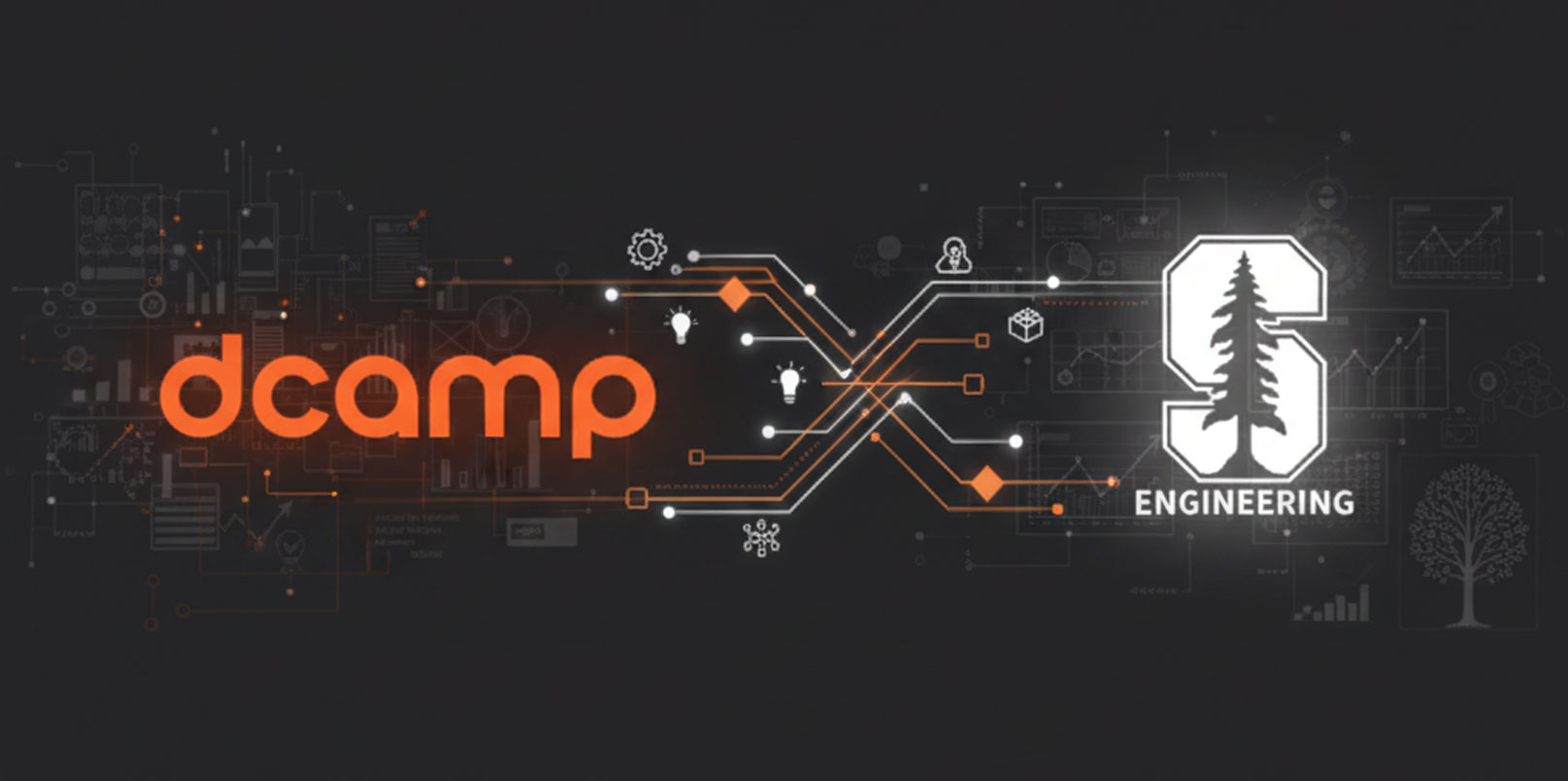
D.CAMP, operated by the Banks Foundation for Young Entrepreneurs, has entered a strategic partnership with the Stanford Center for Innovation & Design Research (SCIDR) to strengthen the U.S. market entry of Korean consumer-focused startups.
The collaboration was officially announced on December 17 at the Stanford Consumer Goods Symposium held at D.CAMP’s Seolleung Center in Seoul. The event, themed “The Rise of K-Consumer Products in the U.S.,” gathered D.CAMP CEO Park Young-hoon, Stanford researchers, and industry professionals already active in the American market.
This initiative comes as global demand for Korean consumer products—especially in beauty, food, and wellness—continues to rise. Both organizations will jointly develop a structured program to help early-stage startups navigate the full cycle of global expansion: selection, capability building, market localization, and follow-up investment.
Building a Cross-Border Growth Model for K-Consumer Startups
Under this framework, D.CAMP will identify promising startups in Korea and provide early-stage support and mentoring to enhance business fundamentals.
Stanford SCIDR will then guide participants through its localization accelerator program, which focuses on building brand strategies aligned with U.S. consumer preferences and establishing sustainable retail and distribution models.
SCIDR, a consumer-centric innovation institute within Stanford University, has extensive expertise in data-driven design research and product-market alignment. Through its accelerator, it helps startups understand local sentiment, validate business models, and build brand resonance with U.S. audiences.
The joint program aims to help around 30 Korean startups each year enter the North American market. The two partners also plan to co-publish performance reports and host regular showcase events to track progress and share outcomes.
D.CAMP and Stanford Collab: Addressing Most Persistent Gaps for Korean Startups
D.CAMP CEO Park Young-hoon explained that the collaboration addresses one of the most persistent gaps for Korean startups—local understanding.
The CEO said,
“Korean consumer goods startups have excellent products, yet many struggle to position their brands or build distribution networks due to limited understanding of local markets and consumer behavior.
This partnership with Stanford SCIDR will provide practical guidance that helps K-startups establish brands truly suited to the U.S. market.”
He added that D.CAMP will continue to broaden its international partnerships and investment networks to help Korean startups expand their presence on the global stage.
Expanding Korea’s Startup Export Strategy
While the collaboration centers on consumer innovation, its timing is particularly notable.
Over the past year, Korea’s venture capital landscape has shifted toward sectors tied to industrial competitiveness — deep tech, manufacturing efficiency, and export-linked growth. Funding for consumer-facing startups has become more selective.
D.CAMP’s partnership with Stanford, therefore, represents a deliberate countercurrent: positioning consumer innovation as another significant focus of Korea’s global competitiveness as well as representing a new model for Korea’s global startup expansion strategy. This collaboration anchors cross-border partnerships between Korean innovation hubs and U.S. academic ecosystems.
By connecting early-stage founders with global design and branding expertise, the program strengthens Korea’s efforts to move beyond technology-driven exports toward experience-based consumer innovation.
For investors and ecosystem stakeholders, this partnership signals a more systematic approach to internationalization. It aligns with the Korean government’s ongoing push to diversify export sectors, nurture globally relevant brands, and reinforce startup pathways into the U.S. market.
In addition, the initiative reflects Korea’s broader venture ecosystem shift: complementing R&D-heavy fields such as semiconductors and AI with creative industries capable of capturing global consumer attention. As market access becomes a strategic differentiator, programs like this provide the necessary bridge between product excellence and market resonance.
A Bridge Between Korea’s Innovation and U.S. Market Insight
Beyond its distinctive academic-industry collaboration, The D.CAMP–Stanford partnership also represents a cross-border bridge for Korean startups to evolve from strong domestic performers into globally competitive brands.
As consumer markets become more fragmented, culturally specific, and less favored by venture capital investments, the ability to localize innovation becomes a key determinant of global success. Through this partnership, Korea reinforces its position as a hub not only for technological advancement but also for design-driven, globally adaptive entrepreneurship.
The first cohort of participating startups will be selected in early 2026, setting the stage for a new generation of Korean consumer innovators ready to compete—and thrive—on the global stage.
🤝 Looking to connect with verified Korean companies building globally?
Explore curated company profiles and request direct introductions through beSUCCESS Connect.
– Stay Ahead in Korea’s Startup Scene –
Get real-time insights, funding updates, and policy shifts shaping Korea’s innovation ecosystem.
➡️ Follow KoreaTechDesk on LinkedIn, X (Twitter), Threads, Bluesky, Telegram, Facebook, and WhatsApp Channel.