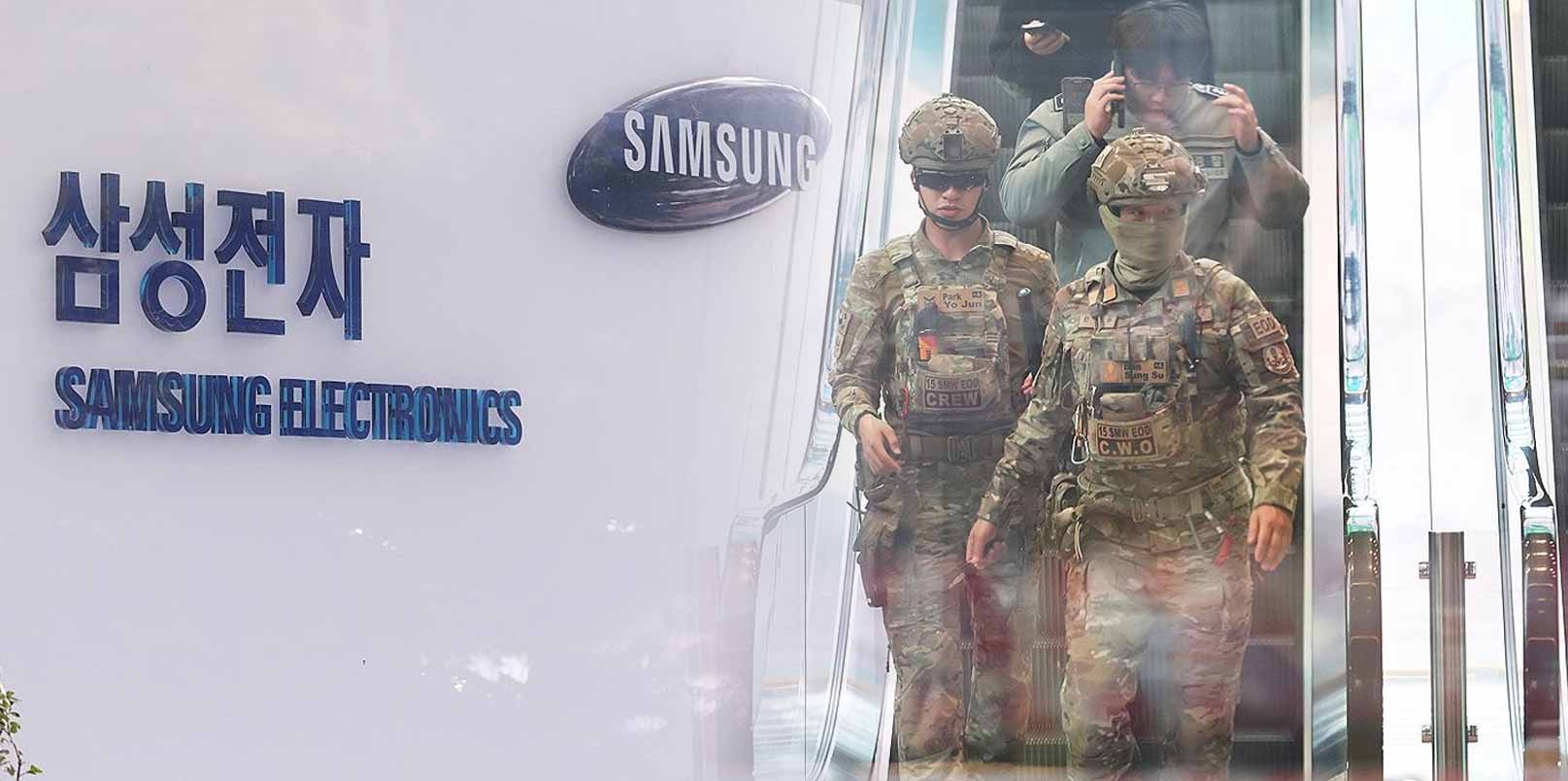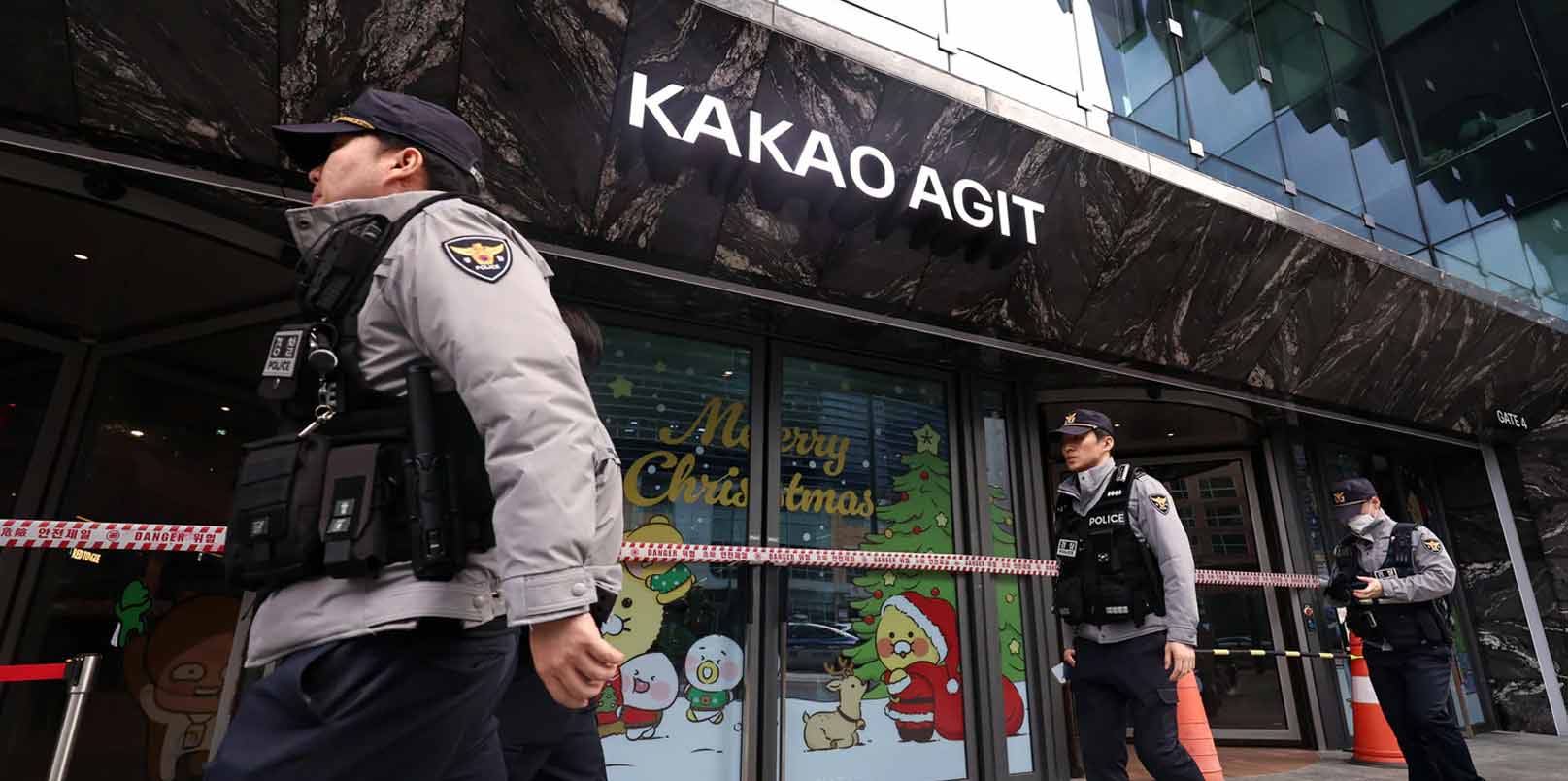
A second bomb threat in two days at Kakao’s Pangyo headquarters has forced evacuations, police searches, and renewed scrutiny of how Korea’s largest tech campuses manage security risk. While no explosives were found, the Kakao bomb threat incidents underline a growing operational challenge facing dense technology hubs that host critical digital infrastructure, thousands of workers, and an expanding startup ecosystem.
Bomb Threats Trigger Evacuations at Kakao’s Pangyo Headquarters
On December 17, 2025, at around 7:00 PM, Kakao reported another online message claiming that an explosive device had been installed at its Pangyo headquarters in Seongnam, Gyeonggi Province.
The message was posted to Kakao’s customer service center website and closely resembled a threat made two days earlier. After confirming the post, Kakao immediately notified police and instructed employees still working in the building to leave as a precaution.
Bundang Police deployed approximately 40 officers to search the multi-story office complex. The search continued for more than two hours, and authorities confirmed that no explosive device or suspicious object was found.
A Pattern of Repeated Threats Within Days
The December 17 incident followed a similar threat on December 15, when multiple posts appeared on the same customer service platform. Those earlier messages claimed that homemade explosives had been placed inside the building, threatened the life of a senior Kakao executive, and demanded the transfer of KRW 10 billion.
During the December 15 incident, police, fire authorities, military units, and an explosive ordnance disposal team were mobilized. No explosive was found at that time either.
Police have stated that the author name used in the December 17 post differed from the one used two days earlier. The individual linked to the earlier posts has claimed possible identity misuse, prompting investigators to treat the cases cautiously while tracing the actual author.
Stakeholder Responses Emphasize Safety and Investigation
Kakao has maintained a consistent response across both incidents, prioritizing employee safety and cooperating fully with authorities. The company issued emergency notices instructing staff to leave work immediately following each report.
Police officials described the December 17 situation as not meeting the threshold of a high-risk explosives incident, which is why specialized EOD units were not deployed that evening. At the same time, investigators acknowledged concerns about repeated false threats diverting public resources and affecting responses to other emergencies.
Authorities confirmed that efforts are focused on identifying the individual or individuals responsible for posting the messages.
Why Pangyo’s Tech Concentration Raises Broader Ecosystem Questions
Pangyo Techno Valley is home to Kakao, Naver affiliates, gaming studios, fintech firms, and hundreds of startups operating alongside major data and platform infrastructure. The scale and density of this environment mean that even unverified threats can disrupt operations, halt overnight work, and create ripple effects across partner companies.
For the Korean startup ecosystem, the incidents highlight a risk category most founders were less prepared for. Security threats, even the fake ones, can impose real operational costs, affect employee confidence, and strain coordination between private firms and public authorities.
Globally, large technology campuses in Silicon Valley, Shenzhen, and Bangalore have faced similar challenges, prompting firms to reassess threat monitoring, access control, and crisis communication. The Pangyo incidents place Korea’s flagship tech hub within that same risk landscape.
The incidents also highlight how threat response itself can become a source of operational strain inside large technology campuses. Repeated evacuations, even when threats prove unfounded, interrupt overnight development work, customer support operations, and infrastructure monitoring. In environments like Pangyo, where platform companies and startups operate continuous services, the cost of disruption extends beyond the affected building to partner teams and dependent services.
Another emerging issue is the growing use of digital customer-facing channels as vectors for triggering physical security responses. The repeated posting of threat messages through Kakao’s customer service platform underscores how online access points can be leveraged to force real-world evacuations and mobilize public resources. This convergence of digital and physical risk places new pressure on technology firms to coordinate cybersecurity, workplace safety, and crisis response under a single operational framework.
Security Resilience Becomes an Operational Priority
In the end, while the repeated bomb threats at Kakao did not result in physical harm, they still exposed the fragility that accompanies scale and concentration in modern tech campuses.
As Korea’s digital economy continues to cluster talent, capital, and infrastructure into hubs like Pangyo, security readiness becomes an operational issue rather than a peripheral concern.
The case offers crucial lessons for founders, operators, and policymakers: growth means visibility, and visibility cuts both ways. Yes, ecosystem growth brings both exposure and opportunity. However, staying resilient isn’t just about moving fast and building smart anymore. It’s about knowing what happens when things break and being prepared with a plan before they do.
– Stay Ahead in Korea’s Startup Scene –
Get real-time insights, funding updates, and policy shifts shaping Korea’s innovation ecosystem.
➡️ Follow KoreaTechDesk on LinkedIn, X (Twitter), Threads, Bluesky, Telegram, Facebook, and WhatsApp Channel.